Trump's Kennedy Center board overhaul prompts debate over independence
Opened in 1971 as a memorial to JFK, the Kennedy Center faced scrutiny after President Trump replaced the board with loyalists and named himself chairman.
 NBC News
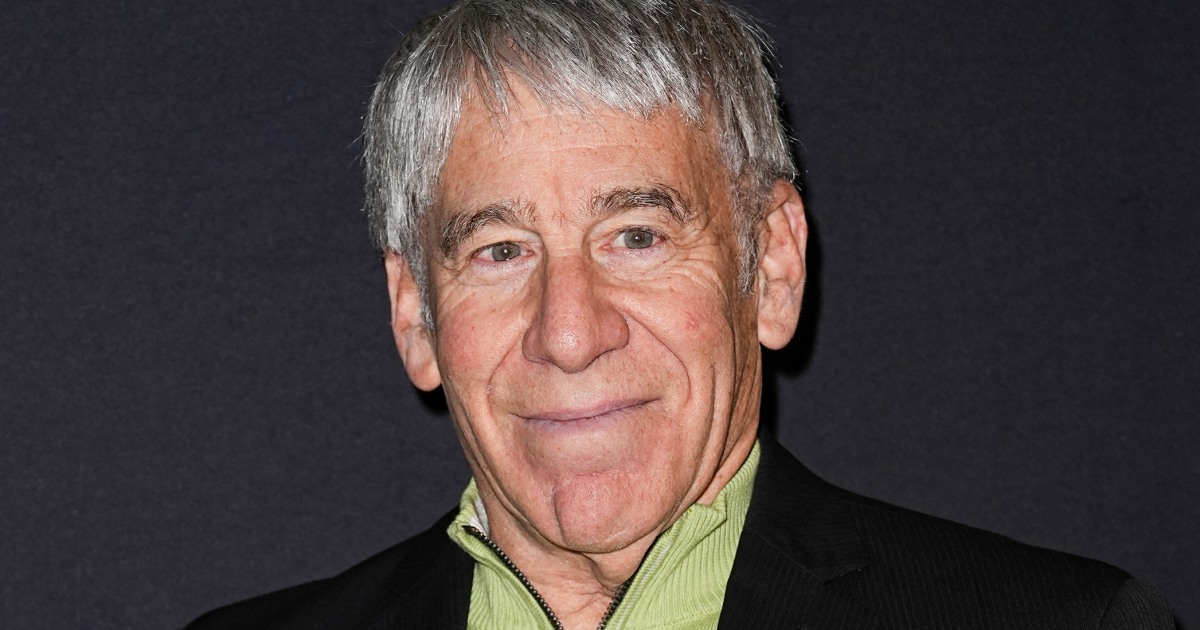
'Wicked' composer Stephen Schwartz backs out of hosting Kennedy Center event

 New York Daily News
Greene: By hijacking Kennedy Center, Trump shows he’s the real ‘little man behind the curtain’
New York Daily NewsGreene: By hijacking Kennedy Center, Trump shows he’s the real ‘little man behind the curtain’
 New York Daily News
‘Wicked’ composer Stephen Schwartz becomes latest artist to boycott Kennedy Center
Overview
President Trump replaced the Kennedy Center's board with loyalists and named himself chairman, a move at the Washington, D.C. venue that raised questions about governance and independence.
The overhaul sparked debate about politicizing a cultural institution intended to remain nonpartisan and honor JFK's legacy, drawing public and media attention.
The Kennedy Center, founded in 1971 to honor President Kennedy, has long been a major arts venue in Washington, D.C., making governance changes especially scrutinized.
Critics argue the move jeopardizes independence and mission, while supporters contend it could streamline operations and align programming with presidential priorities.
Observers expect ongoing scrutiny, potential legal challenges, and monitoring of how the board changes affect programming and the Center's nonpartisan mission.
Analysis
Center-leaning sources frame this as a politically charged conflict over the Kennedy Center's neutrality, foregrounding Trump influence and perceived ideological alignment; they juxtapose Schwartz's withdrawal with the center's renaming, emphasize cancellations, and cite opposing voices to underscore the controversy, shaping a narrative of politicization.