U.S. Captures Maduro; Senate to Vote on Venezuela Military Authorization
U.S. forces captured President Nicolás Maduro; SDNY charged him and his wife. Senate will vote on military authorization as Democrats allege misleading claims by officials.
 Washington Examiner
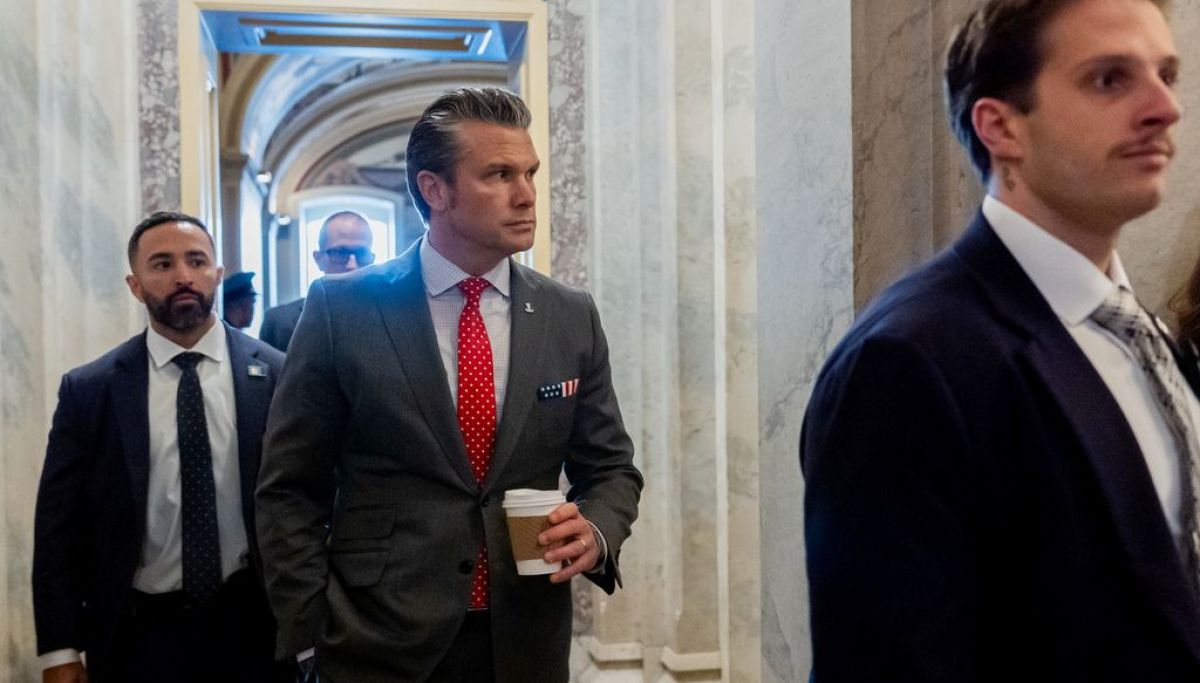
Congress to be briefed by Trump admin on Venezuela strikes
 Washington Examiner
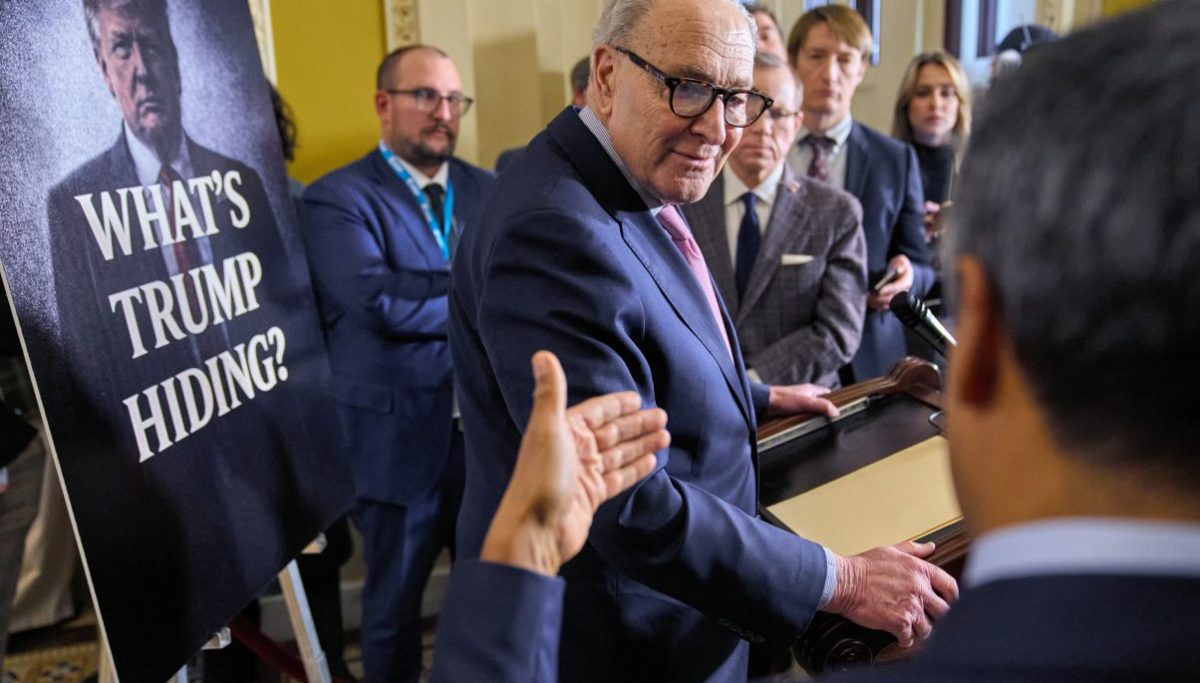
Schumer vows Senate vote on Venezuela authorization 'this week'
 Epoch Times
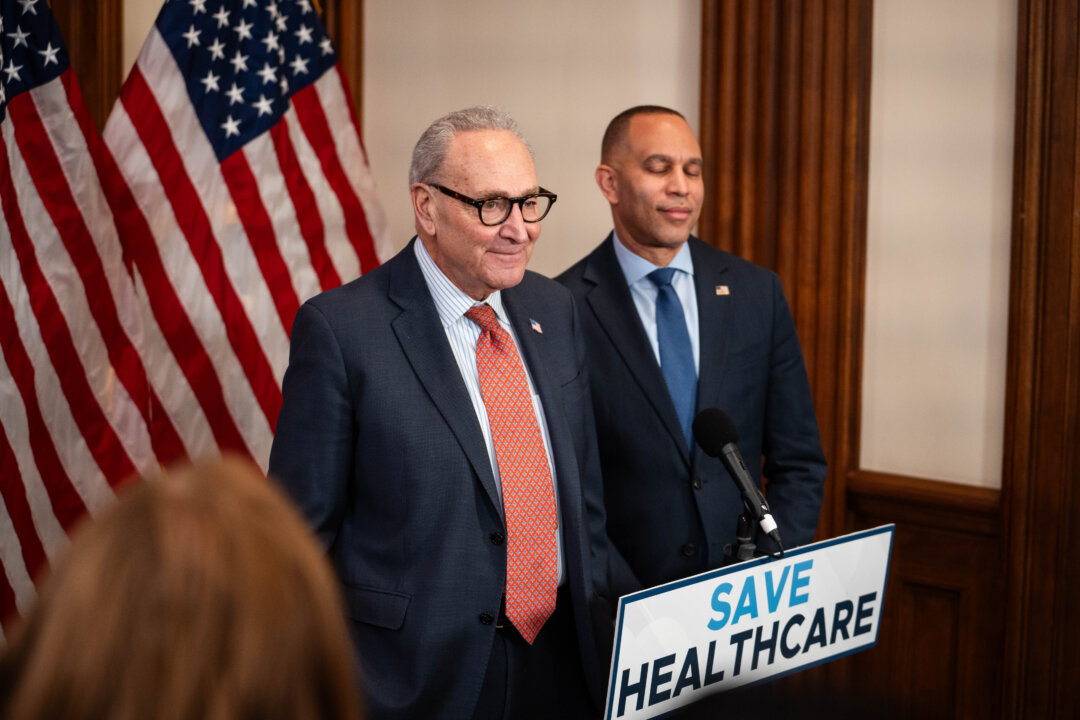
Schumer Says Senate Will Vote on War Authorization in Venezuela
 The Guardian
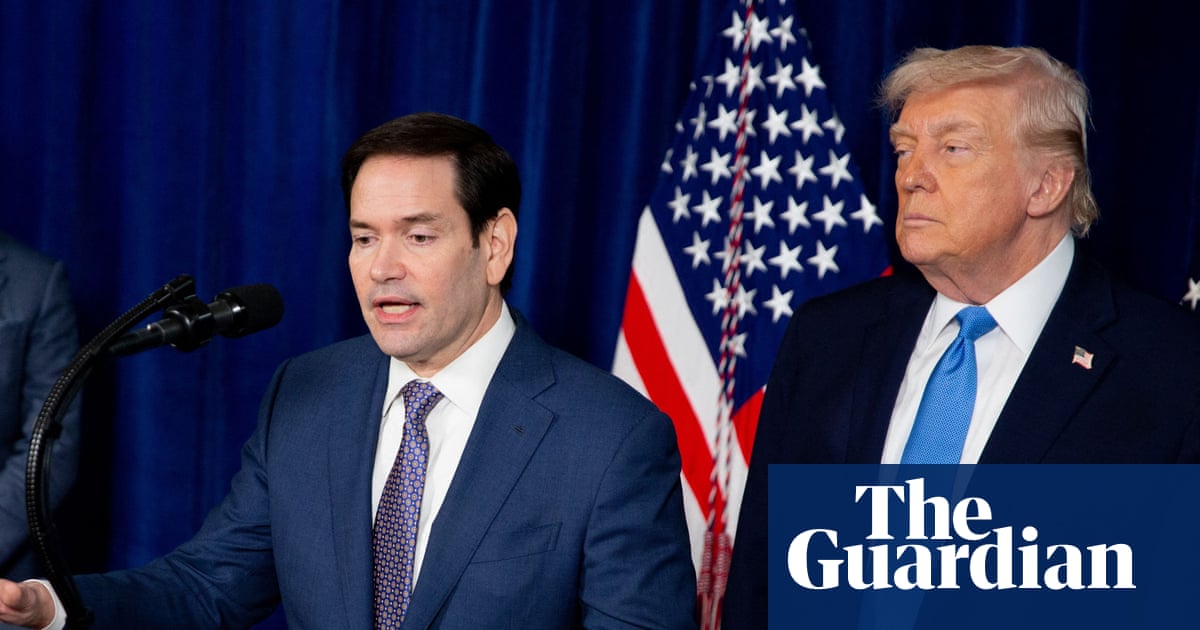
‘They lied to our face’: Democrats decry Trump’s military raid on Venezuela
Overview
U.S. forces captured Venezuelan President Nicolás Maduro and his wife, transporting them to New York to face federal charges including narco-terrorism, Attorney General Pamela Bondi announced.
U.S. officials say the operation followed months of strategic pressure — force buildups, intelligence operations, roughly 35 strikes since September and a CIA drone strike, reportedly killing at least 115.
An SDNY indictment charges narco-terrorism, drug-smuggling, arms trafficking and conspiracy; Maduro's extradition intensifies congressional debate over requiring authorization for further U.S. military actions.
A privileged Senate resolution to authorize or block U.S. military actions in Venezuela cannot be blocked by Republicans, ensuring floor consideration despite opposition from Senate Majority Leader John Thune.
Democrats accuse Trump administration officials of misleading Congress about plans for regime change in Venezuela, escalating partisan disputes and prompting calls for greater oversight of the operation.
Analysis
Center-leaning sources frame the U.S. strike on Venezuela as a complex issue, emphasizing the lack of Congressional oversight and potential legal violations. They highlight bipartisan concerns over unilateral military action and the risks of regime change, using neutral language to present multiple perspectives. This framing suggests a cautious approach, focusing on legal and strategic implications.