Bobi Wine Faces Militarized Suppression as Museveni Seeks Seventh Term in Uganda
Bobi Wine, a musician-turned-politician, faces militarized disruptions and arrests of opponents while President Museveni pursues a contested seventh term in Uganda's January 15 nationwide election.
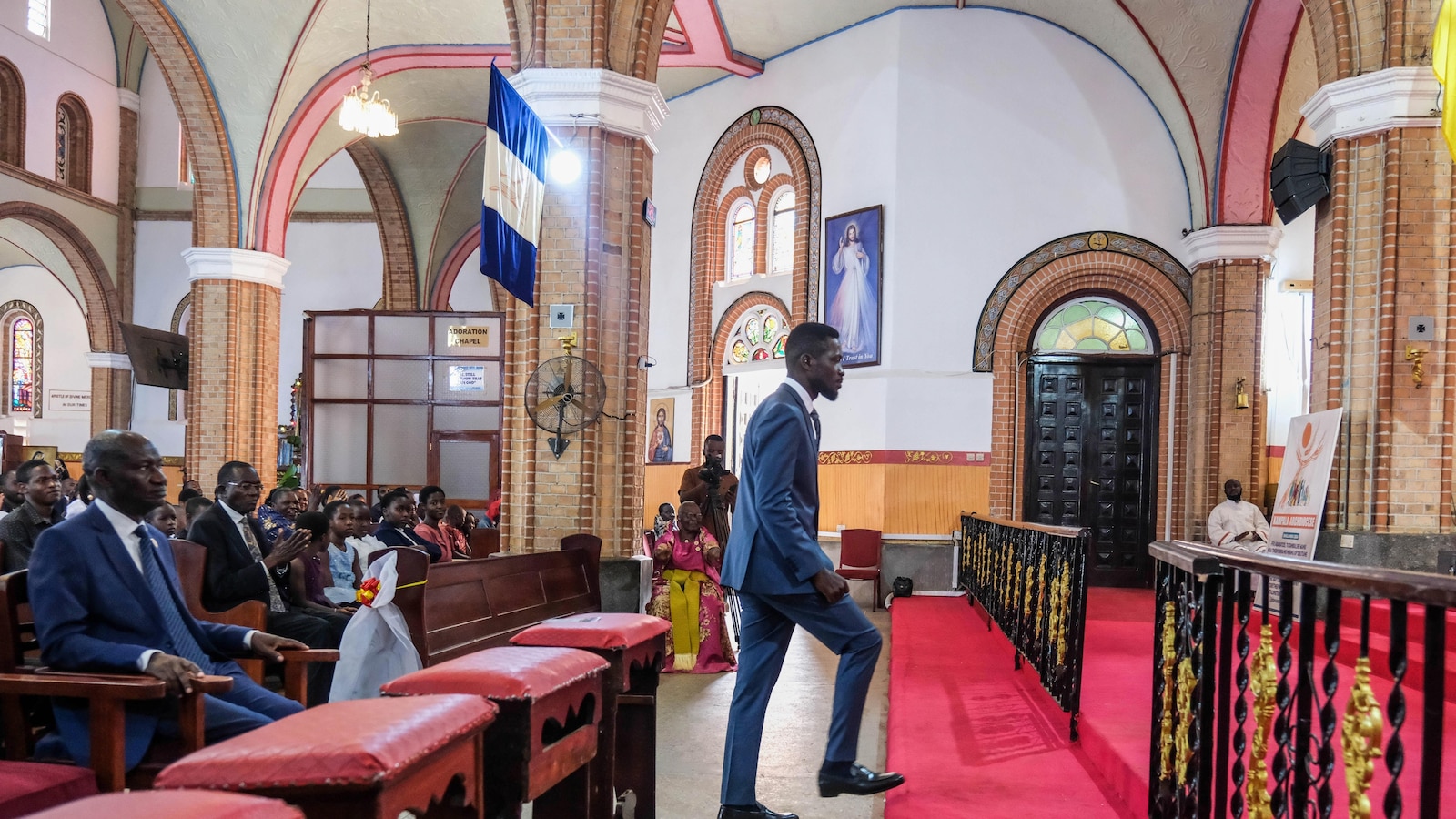
 ABC News
Uganda's security forces are accused of using violence against the opposition
 Associated Press
Ahead of election, Uganda's security forces are accused of using violence against the opposition
 Newsmax
Ahead of Election, Uganda's Security Forces Are Accused of Using Violence against the Opposition
Overview
Bobi Wine, 43, campaigns against President Yoweri Museveni in Uganda, wearing protective gear amid threats; campaign rallies repeatedly disrupted by security forces citing public order.
Ahead of the January 15 elections, Wine's urban support base faces tear gas, raids, and alleged military violence as Museveni seeks a seventh term after scrapped limits.
Museveni, Africa's third-longest-serving leader, extended his rule via removed term limits and contested earlier elections; critics accuse him of consolidating power and blocking succession transparency.
Military interference has driven supporters into ditches and swamps; Wine reported three rally deaths and jailed rivals, while police deny awareness of some alleged incidents.
Amnesty International condemns pre-election violence; analysts warn that Muhoozi succession ambitions and repression risk entrenching dynastic rule and derailing democratic transition.
Analysis
Center-leaning sources frame this story by highlighting the systemic issues in Uganda's political landscape, focusing on the imbalance of power and the use of state machinery to suppress opposition. They emphasize the contrast between Museveni's unrestricted campaign activities and the violent disruptions faced by Bobi Wine, portraying a narrative of entrenched authoritarianism. This framing is supported by the choice to spotlight Amnesty International's condemnation and the historical context of Museveni's rule.