Largest COVID-Era Fraud Probe Targets Minnesota's Somali Community; DOJ Sends More Prosecutors
Over 90 suspects, mostly Minnesota Somalis, face charges in the largest COVID-era fraud scheme; DOJ deploys prosecutors to aid investigations into misused federal welfare funds.
 Breitbart News
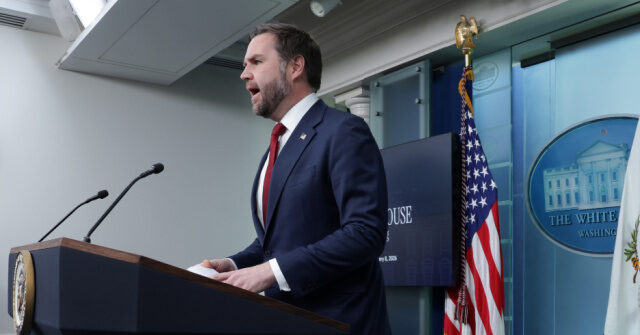
JD Vance Announces New DOJ Division, Assistant AG to Lead National Fraud
 Washington Free Beacon
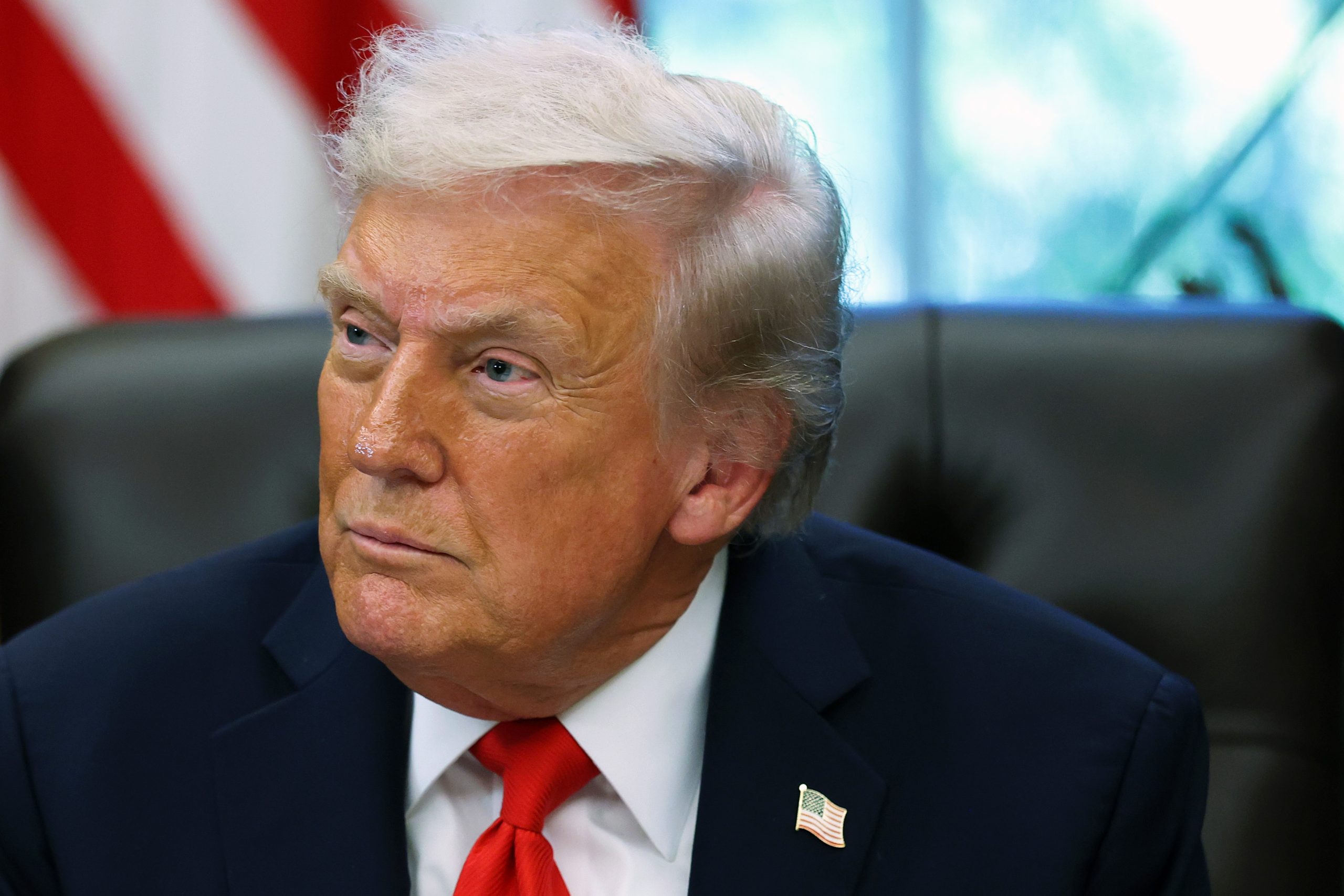
White House Creates New DOJ Fraud Division Amid Somali-Related Welfare Scandal
 The Daily Wire
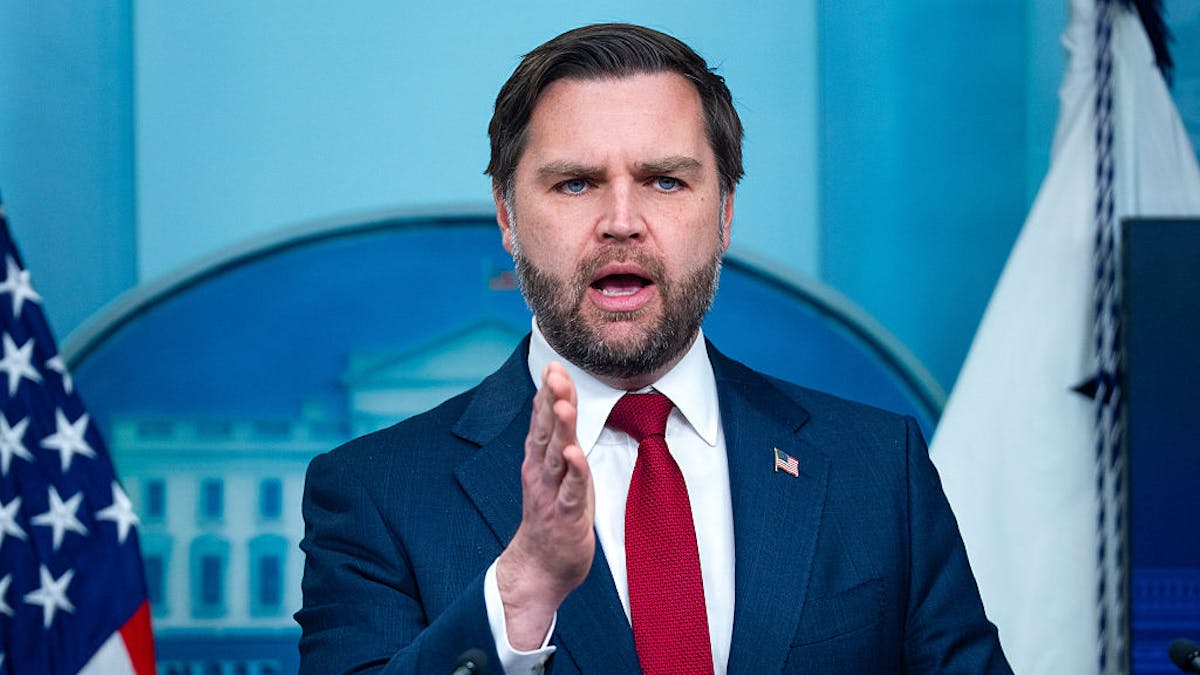
Vance Announces New Assistant Attorney General To Crack Down On Nationwide Fraud
 Washington Free Beacon
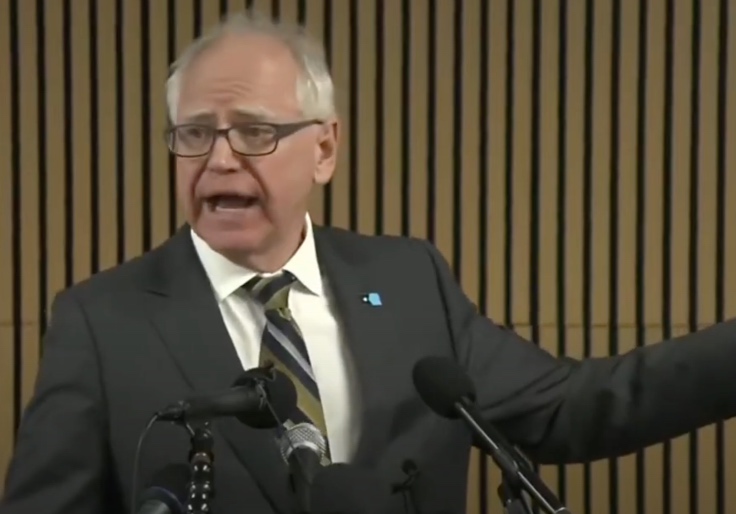
Tim Walz Suggests Prosecutor Who Indicted Somali Fraudsters Should Be Fired: 'We Are Under Assault'
Overview
Federal authorities have charged over 90 individuals—primarily from Minnesota's Somali community—in what officials call the largest COVID-era welfare fraud scheme, prompting expanded federal involvement.
Investigators issued roughly 1,750 subpoenas, executed 130 search warrants, interviewed more than 1,000 witnesses, and previously brought about 98 fraud charges, 85 involving Somali-linked defendants.
The Justice Department has deployed additional prosecutors to Minnesota; the Trump administration earlier sent 2,000 federal agents to Minneapolis–St. Paul citing immigration fraud and concerns over illegal Somali migration.
Prosecutors report at least 64 convictions tied to the probe; separately, the office says it has prosecuted over 300 criminals and recovered $70 million for the state despite Republican obstruction.
Authorities allege schemes diverted pandemic-era child nutrition and Medicaid payments overseas, funded luxury purchases, used fronts and daycares, and spurred a temporary Trump-era pause on Minnesota child-care payments.
Analysis
Center-leaning sources frame this story by emphasizing the bipartisan nature of the fraud investigation, highlighting both the Justice Department's actions and the political implications for Minnesota's leadership. They use neutral language, focusing on factual reporting of events and statements from both parties. The coverage includes perspectives from various stakeholders, such as federal officials, state agencies, and political figures, ensuring a balanced view. The narrative is structured to present the facts without sensationalism, allowing readers to form their own opinions based on the information provided.