Federal Immigration Shootings in Minneapolis and Portland Ignite Protests and Political Clash
Shootings by federal immigration officers in Minneapolis and Portland, during large-scale operations, sparked nationwide protests and intensified clashes between Trump officials and Democratic local leaders.
 RedState
Bombshell: New Cellphone Footage Shows What Really Happened in ICE Shooting
 FOX News
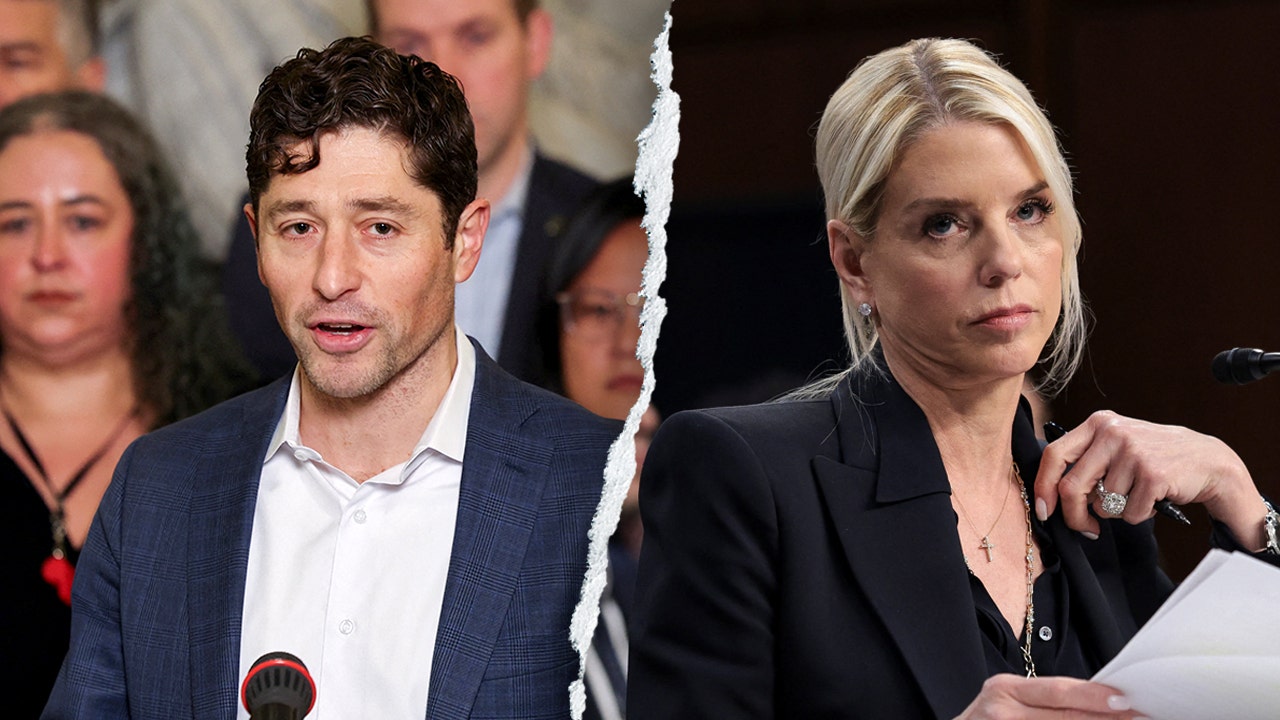
Minneapolis mayor demands state be included in ICE-involved shooting probe, slams Pam Bondi's DOJ
 TPM
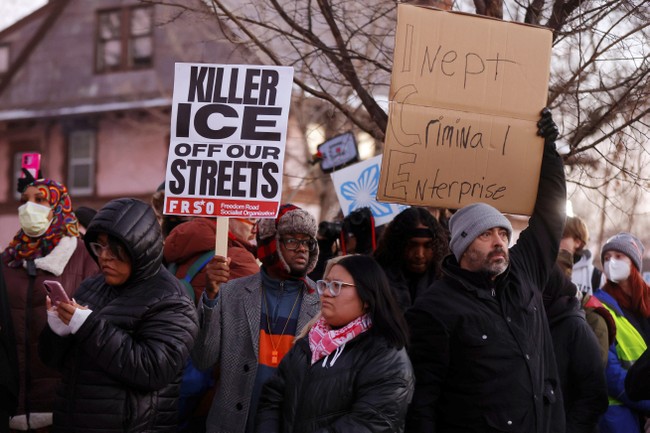
TPMPhotos: Anti-ICE Protests Erupt Nationwide After Minneapolis and Portland Shootings

 Boston Herald
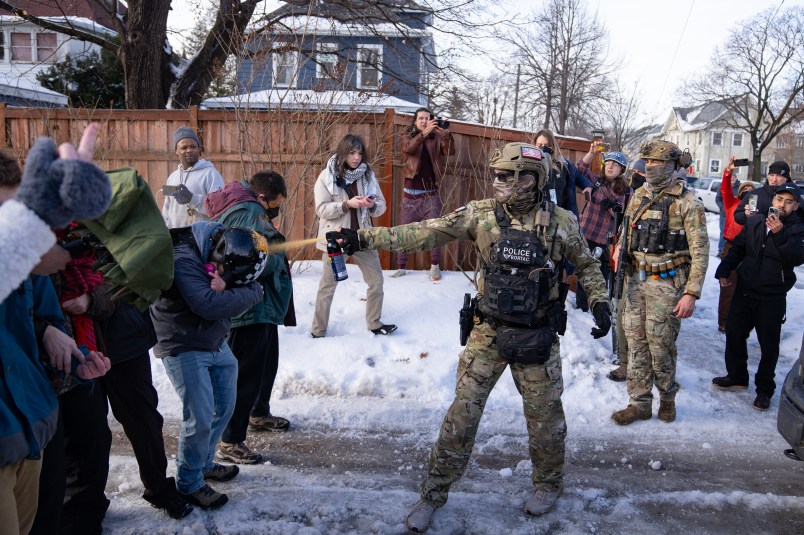
Minnesota shooting videos challenge administration narrative, policing experts question tactics
Overview
In Minneapolis, ICE agent fatally shot Renee Nicole Good during a large, two-day immigration operation; Trump officials assert self-defense, alleging her vehicle was used as a weapon and domestic terrorism.
In Portland, a U.S. Border Patrol agent shot and wounded two people during an attempted vehicle stop near a hospital; one victim sought aid miles away.
Mayor Jacob Frey accused the Trump administration of reversing FBI cooperation and blocking evidence; federal investigators identified Officer Jonathan Ross, previously injured and later assaulted, though DHS hasn't confirmed.
Thousands protested in Minneapolis, Portland and elsewhere; Democratic leaders urged federal officers' withdrawal, saying they escalate tensions; Governor Tim Walz activated the National Guard and won't seek another term.
The two-day Minneapolis operation involved about 2,000 officers and 1,500 arrests; DHS called it its largest-ever operation and sent at least 100 additional federal agents to the Twin Cities.
Analysis
Center-leaning sources frame the Portland shooting by emphasizing the complexity and gravity of the situation, highlighting the involvement of federal agents and the subsequent investigations. They use neutral language to report facts, such as the identities of the victims and the official statements from DHS and local authorities. However, they also underscore the broader context of federal immigration enforcement and public protests, suggesting a narrative of tension between local communities and federal actions. This framing is evident in the balanced presentation of both the DHS's justification and the local officials' calls for transparency and accountability.