Monroe Doctrine (1823): U.S. Warning to European Powers
President James Monroe’s 1823 Doctrine warned European powers against colonization or political interference in the Americas, asserting U.S. opposition to intervention and defending regional stability.

 TIME Magazine
What Is the Monroe Doctrine, and How Is Trump Reasserting It?
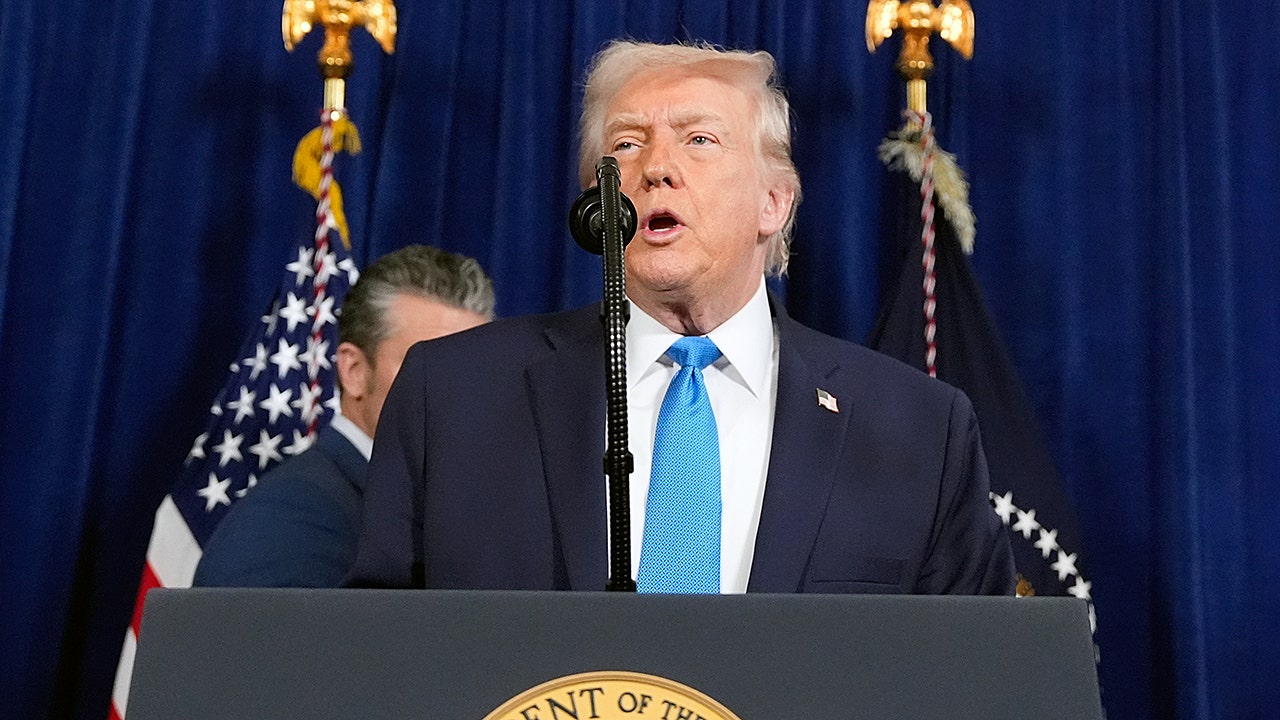
 FOX News
Trump unleashes the 'Donroe Doctrine' and puts socialists on notice worldwide
FOX NewsTrump unleashes the 'Donroe Doctrine' and puts socialists on notice worldwide

 Washington Examiner
Russia and China have varying views of Trump's 'Donroe Doctrine'
Overview
In 1823, President James Monroe issued the Monroe Doctrine, a defining statement of early U.S. foreign policy articulating American positions toward European activity in the Western Hemisphere.
The doctrine warned European powers to halt further colonization or political interference in the Americas, framing such actions as incompatible with U.S. regional interests and hemispheric order.
Targeting the Western Hemisphere, the policy sought to protect newly independent Latin American republics, limit European influence, and assert U.S. claims to regional leadership.
Motivated by strategic, political, and economic concerns, the United States framed the doctrine to safeguard security, trade interests, and the independence of neighboring states.
Though originally a warning, the Monroe Doctrine later justified U.S. interventions and became a recurring diplomatic rationale, shaping hemispheric relations across subsequent decades.
Analysis
Analysis unavailable for this viewpoint.