Lawmakers Briefed as U.S. Officials and Oil Executives Discuss Venezuela Transition; Details on Post-Capture Plans Remain Sparse
Senators and officials briefed Congress on Maduro's capture and stabilization plans; Secretary Rubio also met Trump, Cabinet and oil executives amid security and oil-extraction concerns.
 Newsmax
Rubio: Path for Venezuela Involves Stabilization, Recovery, Transition
NewsmaxRubio: Path for Venezuela Involves Stabilization, Recovery, Transition
NewsmaxRubio: Path for Venezuela Involves Stabilization, Recovery, Transition
 Washington Examiner
Rubio's three-fold plan for Venezuela: What comes next
Overview
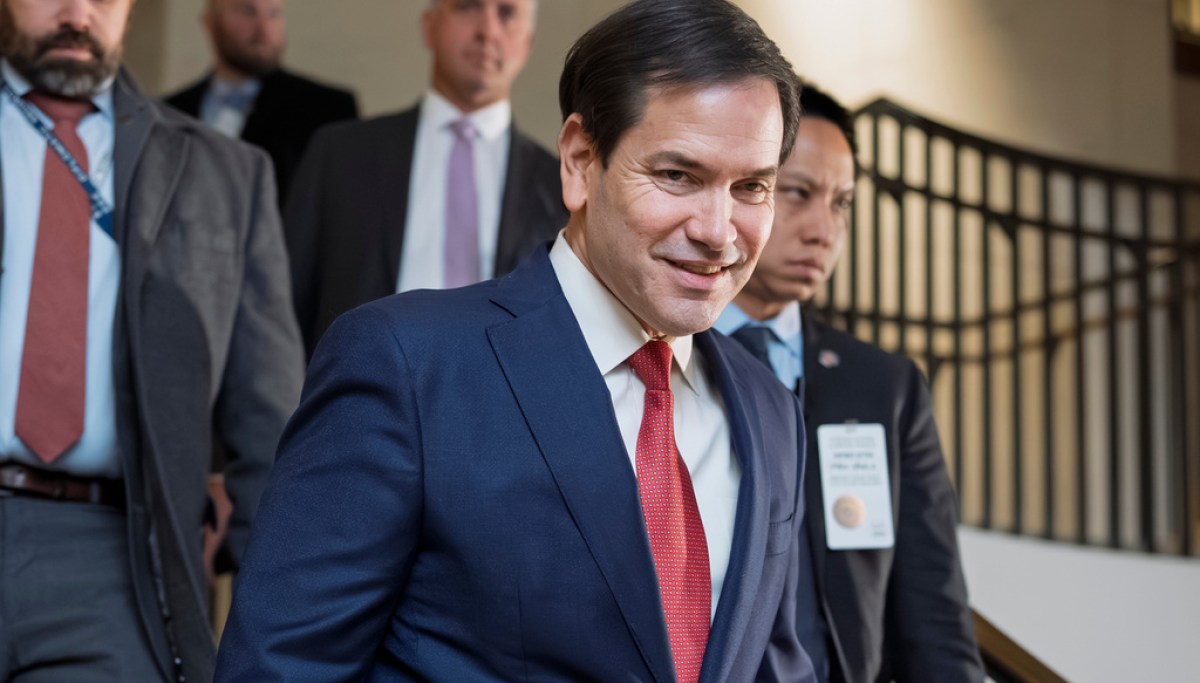
Senator Rubio and Peter Hegseth briefed congressional staff on Venezuela's recent military operation and Maduro's overnight capture, describing stabilization as the initial step in a broader transition.
Republican leaders at the Capitol largely backed President Trump's decision to remove Maduro, while some lawmakers warned against unilateral U.S. military expansion without prior Congressional consultation.
The Senate plans a vote on a resolution requiring Congressional approval for U.S. military action in Venezuela, responding to concerns about executive authority and an unclear U.S. strategy.
Officials briefed lawmakers on post-capture plans but offered no timeline or specifics on future Venezuelan elections, leadership changes, or the mechanisms for political transition.
Maritime concerns rose after two more ships were seized; Secretary of State Marco Rubio met Trump, Cabinet, and oil executives about normalization and a reported 30–50 million-barrel extraction plan.
Analysis
Center-leaning sources frame the story by emphasizing the strategic and diplomatic aspects of the U.S. actions in Venezuela. They highlight the 'three-fold process' of stabilization, recovery, and transition, using terms like 'leverage' and 'control' to underscore U.S. influence. The narrative is structured to present the U.S. as a stabilizing force, with a focus on legal and transparent dealings, while downplaying potential controversies or opposition viewpoints.