IRS Prepares for 2026 Filing Season Amid New Retroactive Tax Provisions, Staffing Shortfalls
IRS readies systems for Jan. 26, 2026 filing start as lawmakers add retroactive 2025 tax provisions; refunds, processing times and staffing concerns prompt taxpayer questions.

 USA TODAY
Tax season opens Jan 26. Here's how you'll be able to track a refund
 USA TODAY
IRS sets a date for start of tax filing season. How to get ready.
 Newsmax
Early Birds Can Begin Filing Taxes on Jan. 26 This Year
 Epoch Times
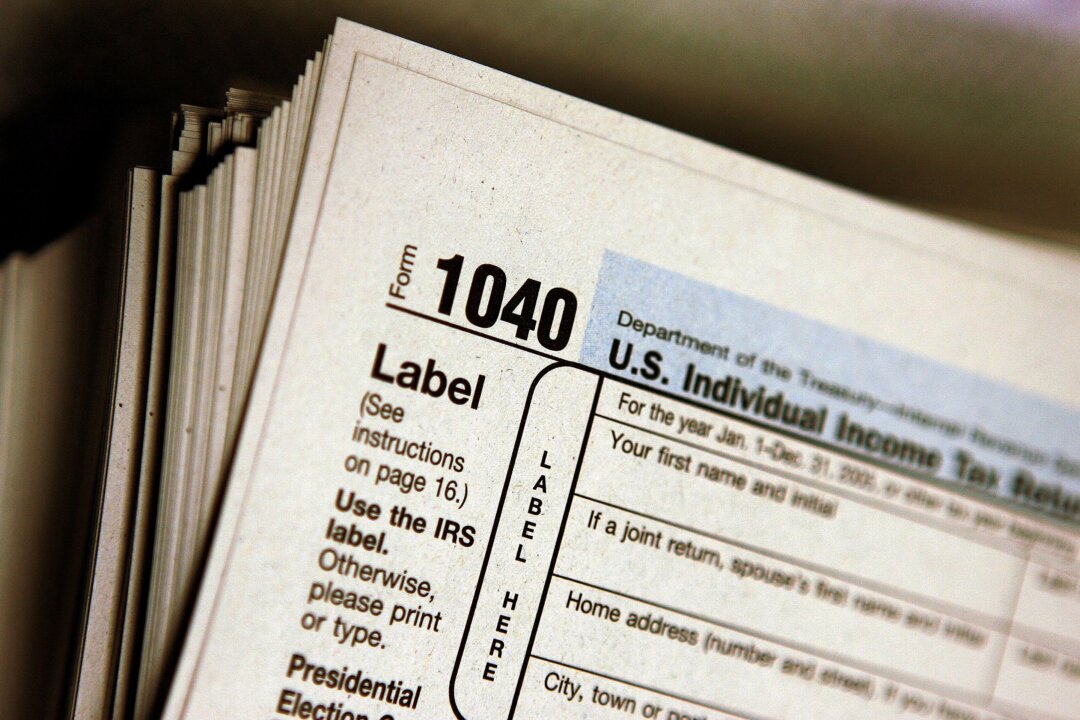
IRS to Start Accepting Tax Returns on Jan. 26 for 2025 Tax Season
Overview
The IRS will begin accepting 2025 tax returns on Jan. 26, 2026, expecting about 164 million individual filings, with most taxpayers submitting electronically.
New tax and spending bill includes retroactive provisions affecting the 2025 tax year, prompting potential taxpayer inquiries and requiring IRS updates to tax forms and guidance.
IRS data show the average 2025 tax refund was $2,939; electronic filers with direct deposit generally receive refunds in under 21 days, while paper returns take four weeks or more.
April 15 remains the federal deadline; 'Where's My Refund' requires Social Security or taxpayer ID, filing status and exact refund amount. Services are unavailable each morning 4-5 a.m. Eastern.
IRS modernized systems to implement new laws despite staffing falling from 102,113 to 75,702; layoffs, buyouts and restrictions until after April 15, 2025 raise capacity concerns, Medora Lee reports.
Analysis
Center-leaning sources frame the tax season story by emphasizing the practical aspects of filing and receiving refunds, using neutral language to inform readers. They highlight the benefits of electronic filing and direct deposit, while acknowledging potential challenges due to IRS staffing changes. The narrative is structured to provide clear, actionable advice, prioritizing taxpayer convenience and efficiency.