Senate Advances Bipartisan War Powers Resolution Limiting President Trump's Military Actions in Venezuela
Senate advanced a bipartisan resolution to limit President Trump's military actions in Venezuela without congressional approval, setting a Senate vote next week amid House opposition.

 PBS NewsHour
Senate moves to restrict Trump from taking further military action against Venezuela
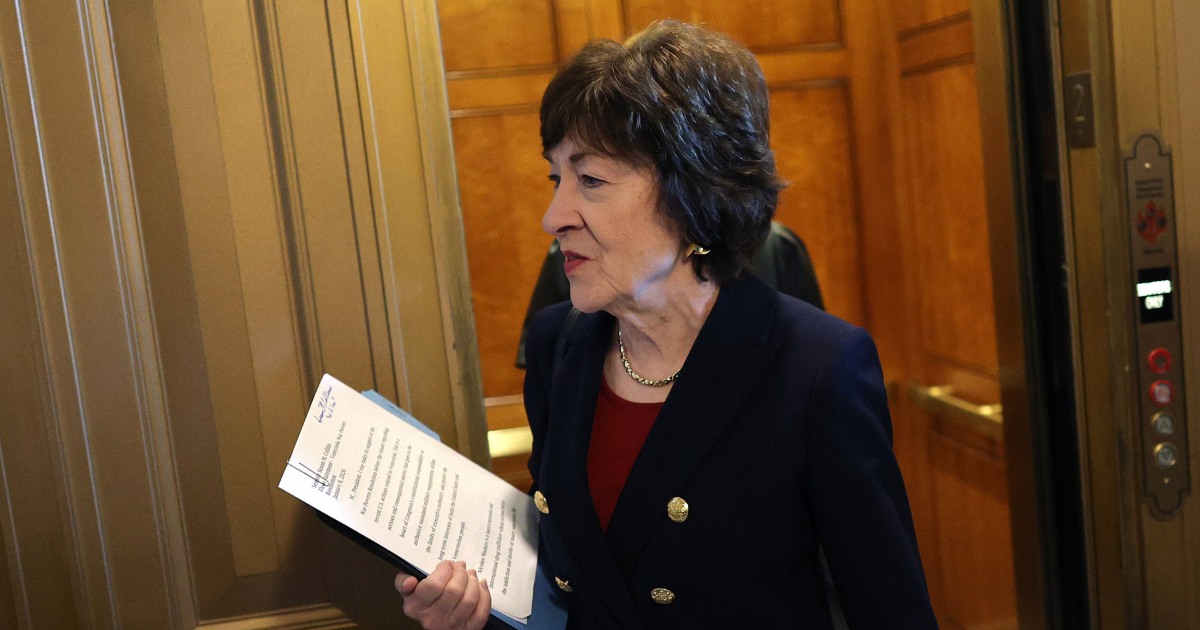
 NBC News
What the Senate's Venezuela vote does — and doesn't — mean: From the Politics Desk
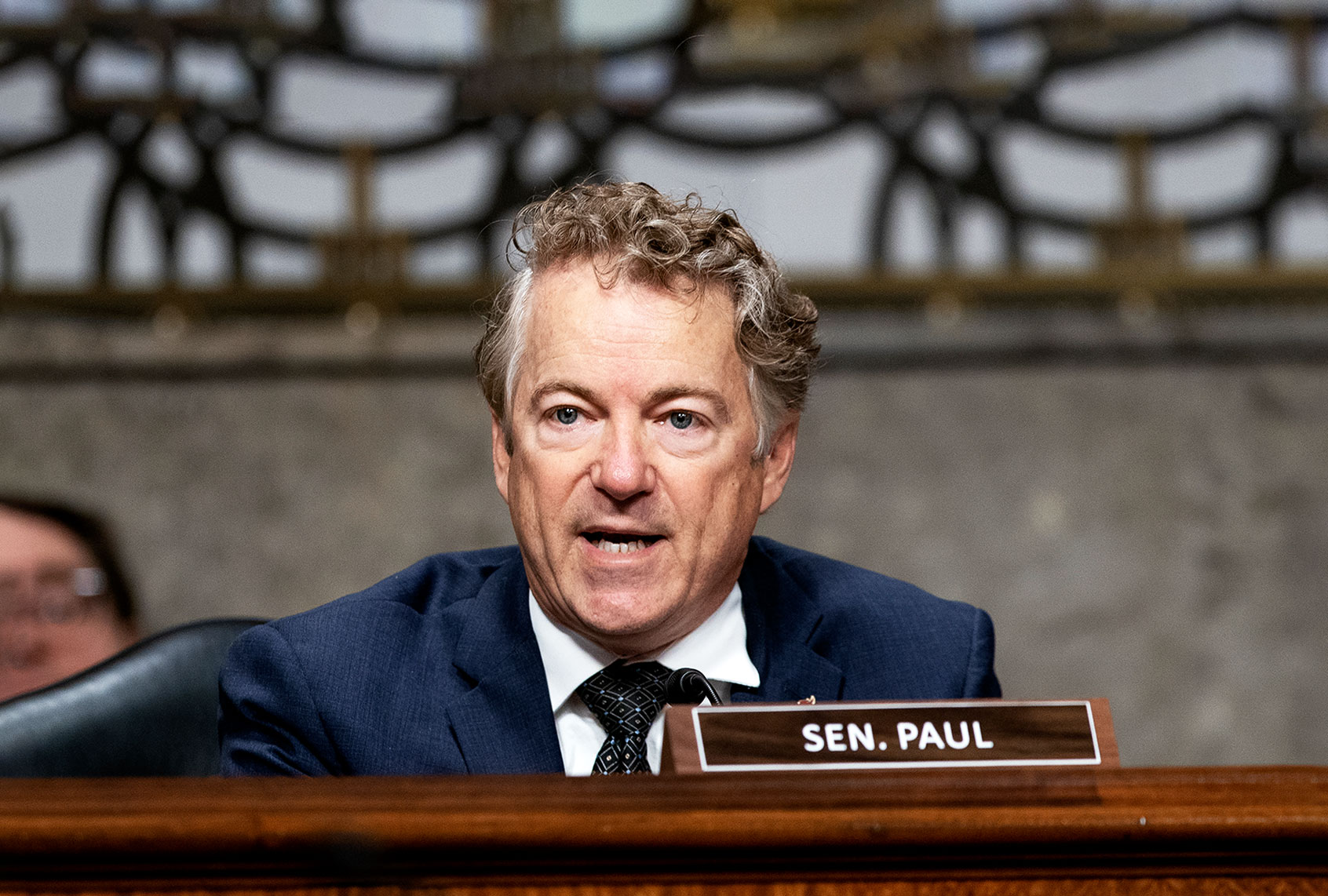
 Salon
Salon"Enough is enough": Senate marches toward vote to limit Trump's war powers in Venezuela

 In These Times
End Military Action in Venezuela and Help Working Class Americans
Overview
The Senate voted 52-47 to advance the war powers resolution; all Democrats and five Republicans supported the procedural motion to move the bill toward a final vote next week.
The measure aims to prevent President Trump from conducting military operations in Venezuela without congressional authorization, amid concerns the administration seeks control of Venezuela's oil resources.
Five Republican senators joined Democrats to advance the resolution; a similar measure narrowly failed in November, losing 51-49 with minimal Republican support.
Passage in Congress is unlikely: House GOP control and President Trump's expected veto make final approval improbable; the Senate measure must still clear amendments and procedural steps.
Supporters cite the 1973 War Powers Resolution and the Constitution's war-declaring authority; Democrats plan similar House measures Thursday as lawmakers debate presidential unilateral military actions.
Analysis
Center-leaning sources frame this story by emphasizing the constitutional debate over war powers, highlighting bipartisan concerns about unchecked executive authority. Language choices like "rare rebuke" and "constitutional role" underscore the gravity of the Senate's action. The focus on GOP senators' rationale and Trump's reaction illustrates a balanced narrative, presenting both sides' perspectives without overt bias.