U.S. Withdraws From UN Climate Convention, Exits 65 International Bodies
President Trump ordered U.S. withdrawal from the UNFCCC and 65 international bodies, ending active participation in global climate frameworks and prompting diplomatic and programmatic disruptions.



Overview
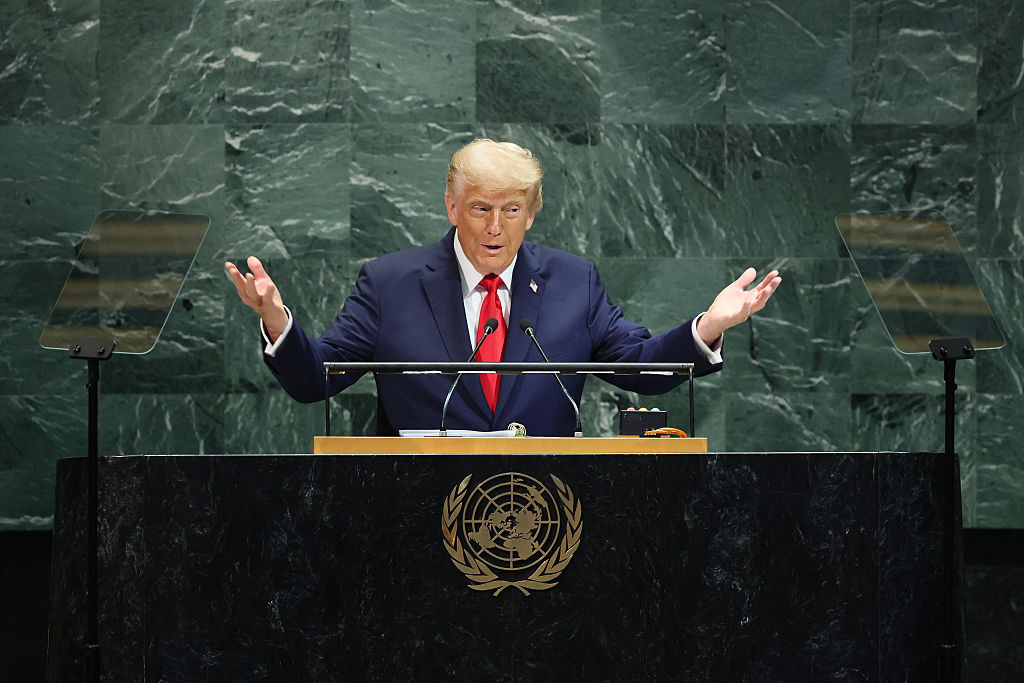
President Trump signed an executive order withdrawing the United States from the UNFCCC and suspending support for 65 other international organizations, reversing long-standing U.S. climate commitments.
The U.S., a UNFCCC founding party that joined in 1992 under President George H. W. Bush, will effectuate withdrawal one year after submitting formal notice to the United Nations.
Administration officials cited 'America First' priorities, sovereignty concerns and opposition to 'woke' initiatives, arguing withdrawal protects domestic industries while critics warn of diplomatic isolation.
Diplomats and organizations learned of the move through news reports and White House social media; U.N. officials withheld comment pending formal U.S. documentation.
Withdrawing from the UNFCCC removes U.S. representation at COP talks, follows its absence from last year's COP30 in Brazil, and could hinder U.S. influence in global climate negotiations.
Analysis
Center-leaning sources frame this story by emphasizing the potential negative consequences of the U.S. withdrawal from international climate agreements. They highlight the isolation of the U.S. from global climate efforts and the potential economic and environmental impacts. The language used, such as "abandoning efforts" and "isolating the country," suggests a critical view of the decision. The sources prioritize expert opinions and historical context to underscore the significance of the withdrawal, while also noting the legal and diplomatic challenges it presents.