Trump and bipartisan senators push 10% credit-card rate cap as banks resist, amid record $1.23 trillion card debt
President Trump proposes a one-year 10% credit-card interest cap; bipartisan senators back a five-year 10% bill amid industry opposition and record $1.23 trillion debt levels.
 Newsmax
Lawmakers: Trump Should Back Bill to Cap Credit Cards
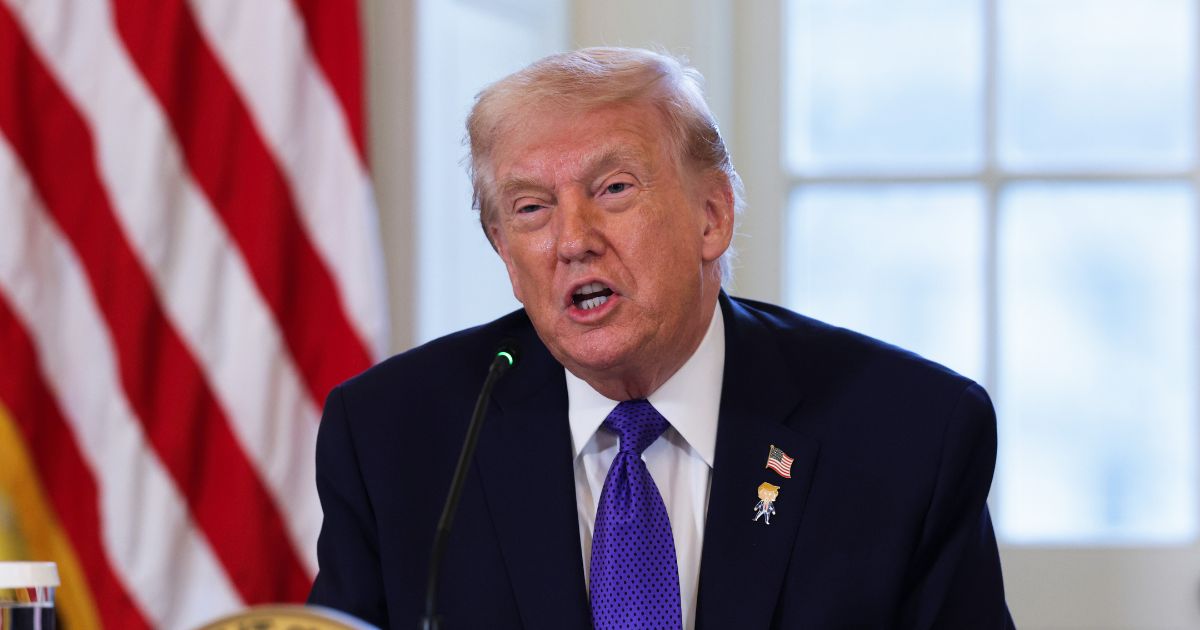
 Western Journal
Trump Launches Plan to Protect Americans from Getting 'Ripped Off' By Credit Card Companies
Western JournalTrump Launches Plan to Protect Americans from Getting 'Ripped Off' By Credit Card Companies

 Boston Herald
Trump pushes a 1-year, 10% cap on credit card interest rates and banks balk
Overview
President Trump proposed a one-year, 10% cap on credit-card interest starting Jan. 20, 2026, saying it could save Americans roughly $100 billion annually.
Senators Bernie Sanders and Josh Hawley previously offered a bipartisan five-year 10% cap proposal, leveraging Trump's campaign pledge to seek broader congressional support.
Wall Street, major card companies and banking trade groups immediately opposed the cap, warning reduced lending to high-risk borrowers and threats to rewards and profitability.
Americans' credit-card debt reached a record $1.23 trillion in Q3; 195 million cardholders paid $160 billion interest in 2024 at average rates near 20%.
Regulatory oversight has weakened under the current administration; past mergers faced little White House resistance, while lawmakers debate caps amid concerns about credit access for lower scores.
Analysis
Center-leaning sources frame the story by presenting a balanced view of Trump's proposal to cap credit card interest rates. They highlight bipartisan support and opposition, emphasizing potential benefits for consumers and risks for credit access. The narrative is structured to show the complexity of the issue, using neutral language and diverse perspectives to avoid bias.