Senate Advances War Powers Resolution to Limit President Trump's Military Action in Venezuela After Maduro Capture
Senate advanced a bipartisan War Powers resolution 52-47 to restrict President Trump's military actions in Venezuela after U.S. forces captured Nicolás Maduro amid oil-driven policy incentives.

 Al Jazeera
Is the US War Powers Act unconstitutional, as President Trump says?
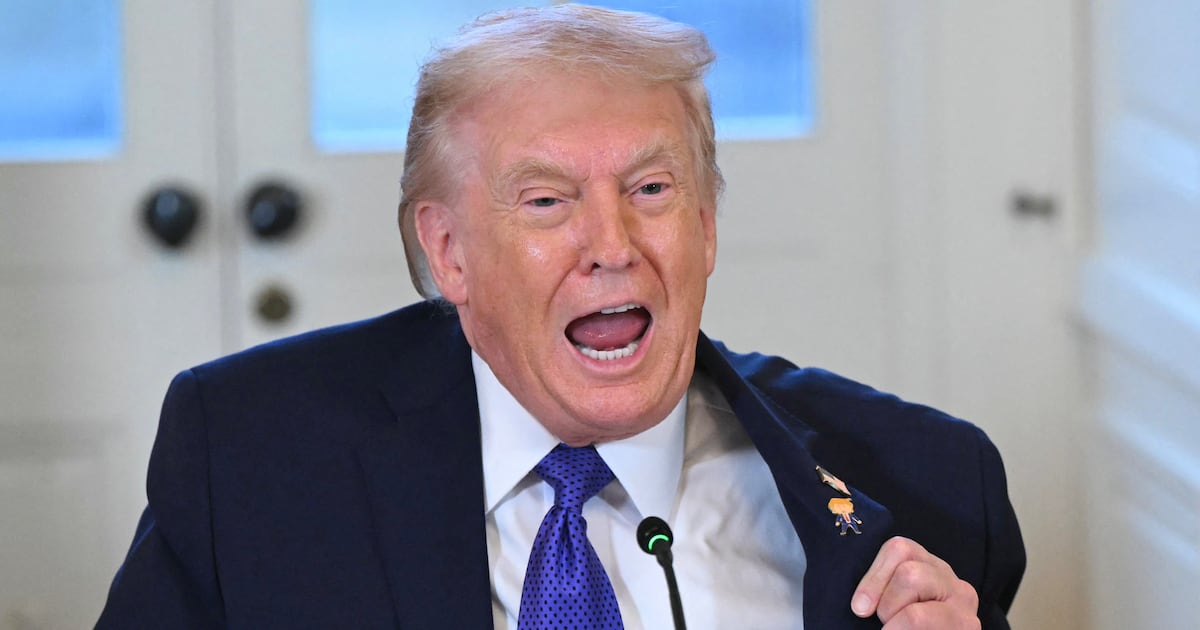
 Daily Beast
Trump, 79, Explodes at GOP Senator in Profanity-Filled Call

 Western Journal
Trump Says 5 GOP Senators Who Sided with Dems to Advance War Powers Resolution 'Should Never Be Elected to Office Again'

 The Intercept
Americans Are Sick and Tired of Pointless Wars
Overview
Senate voted 52-47 to advance a War Powers resolution, with all Democrats and five Republicans supporting it, signaling bipartisan rebuke of unilateral U.S. military action in the Western Hemisphere.
The vote followed reports that U.S. forces conducted a surprise raid in Caracas, capturing Venezuelan President Nicolás Maduro and his wife on U.S. drug and weapons charges.
The resolution would require President Trump to obtain congressional approval for further operations in Venezuela, invoking the War Powers framework created in 1973 to limit executive military authority.
Passage faces major obstacles: the Republican-controlled House and President Trump must approve it, and a similar resolution narrowly failed in November by a 51-49 margin.
Debate is tied to broader controversies: Congress approved a $1 trillion war budget, Republicans blocked American health aid, and critics allege the president used taxpayer incentives for oil acquisitions from Venezuela.
Analysis
Center-leaning sources frame the Senate's Venezuela vote as a symbolic gesture rather than a substantive check on presidential power. They emphasize the procedural nature of the resolution and its unlikely passage, highlighting Trump's likely veto and the House's inaction. This framing suggests a narrative of congressional impotence and executive dominance, using terms like "symbolic" and "gesture" to downplay legislative impact.