Bulgaria's President Rumen Radev Resigns Amid Political Crisis, Plans New Party
Bulgarian President Rumen Radev announced his resignation amid prolonged political crisis and mass anti-corruption protests, preparing to form a new party ahead of snap elections.
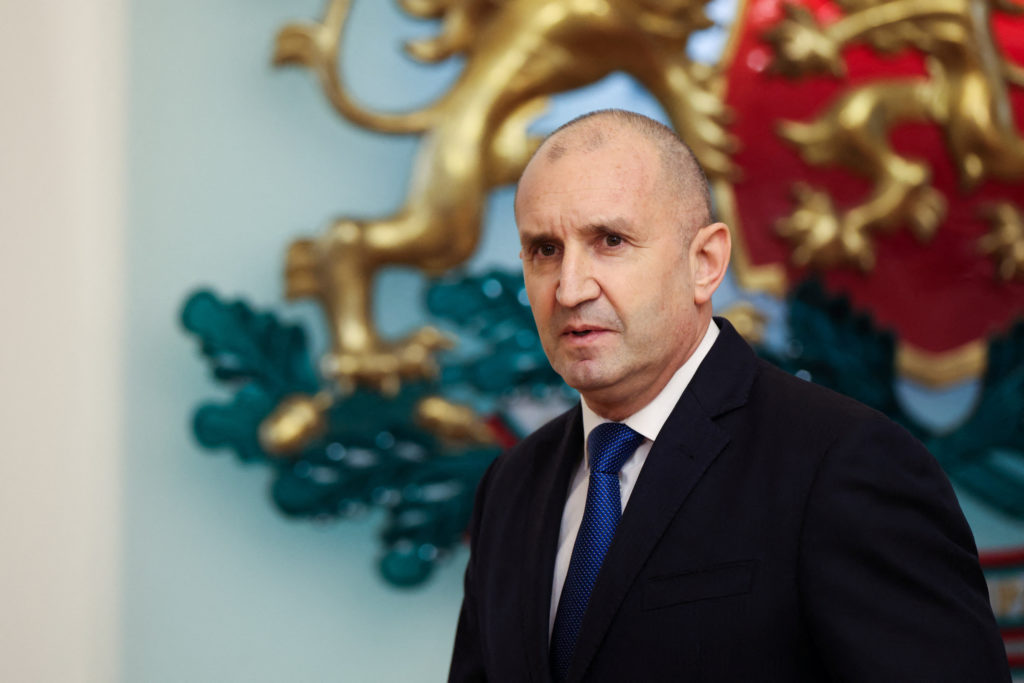
 PBS NewsHour
Left-leaning Bulgarian President Rumen Radev says he is stepping down

 Al Jazeera
Bulgaria’s President Rumen Radev says he will resign ahead of snap election
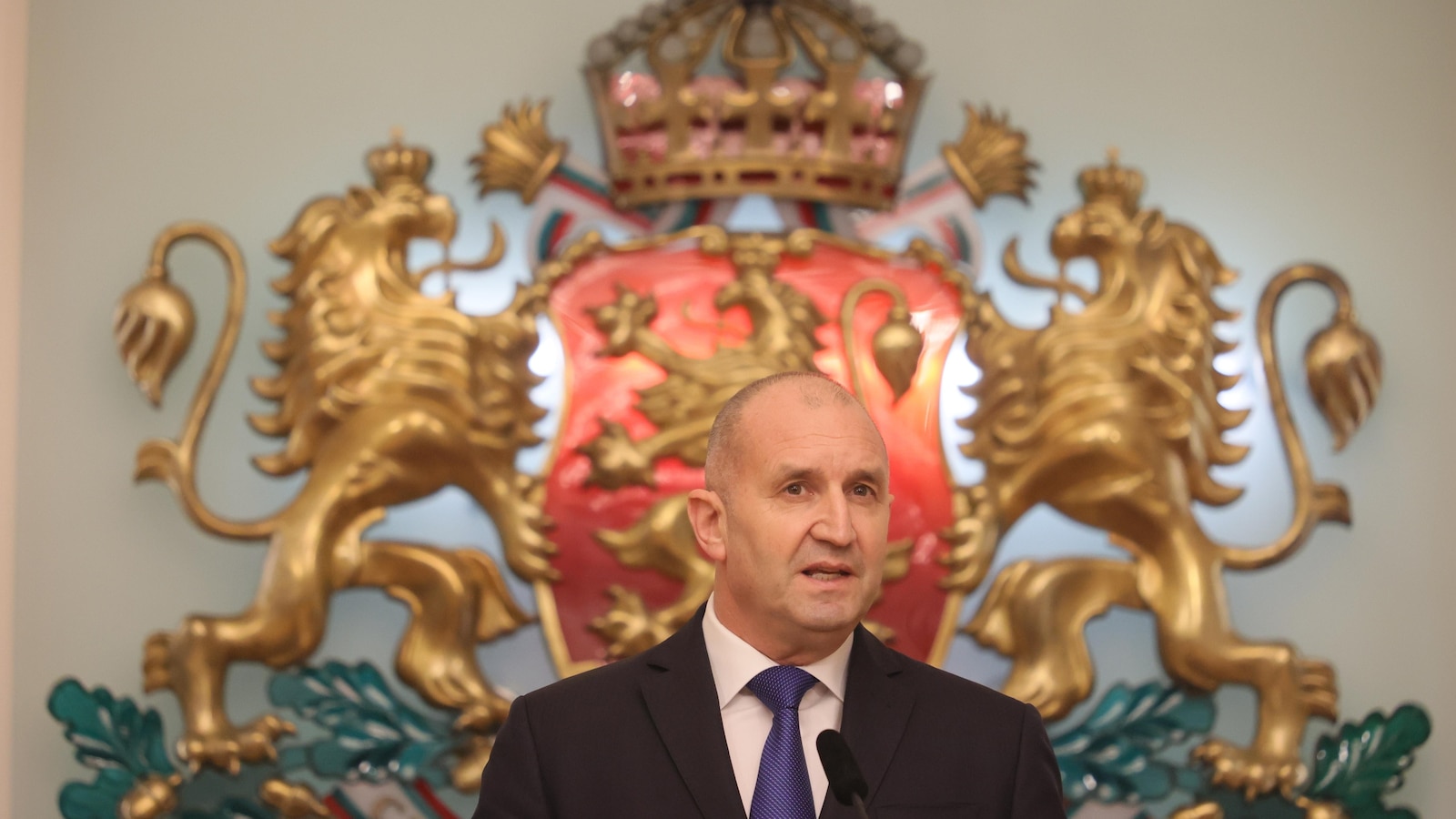
 ABC News
Bulgaria's left-leaning President Rumen Radev says he is stepping down
 Associated Press
Bulgaria’s left-leaning president Rumen Radev says he is stepping down
Overview
President Rumen Radev resigned in a televised address, becoming the first Bulgarian head of state to step down during the country's post-communist era.
Mass anti-corruption protests toppled the GERB-led governing coalition last month, triggering a prolonged political crisis and repeated parliamentary deadlock since 2021.
Bulgaria is preparing for its eighth parliamentary election since 2021 after successive parliaments failed to form a government, prompting a snap vote.
Radev, a 62-year-old former Air Force general whose term runs through 2026, has signaled plans to form a new party opposing GERB leader Boyko Borissov and oligarch Delyan Peevski.
Radev said he will submit his resignation to the Constitutional Court on Tuesday; constitution requires parliament to swear in Vice President Iliana Yotova to finish the presidential mandate.
Analysis
Center-leaning sources frame this story by emphasizing the political instability in Bulgaria and Radev's potential role in shaping its future. Language choices like "prolonged political crisis" and "anti-corruption protests" highlight systemic issues. The focus on Radev's opposition to the GERB party and his potential new party suggests a narrative of political renewal and reform. Structural choices prioritize the broader implications of his resignation over personal motivations.