Supreme Court Appears Skeptical Of Trump's Firing Of Fed Governor Cook
Justices expressed skepticism about President Donald Trump's bid to remove Federal Reserve governor Lisa D. Cook over alleged mortgage fraud and debated whether courts must review such firings.

 New York Post
Supreme Court skeptical of Trump’s attempt to fire Lisa Cook from Federal Reserve
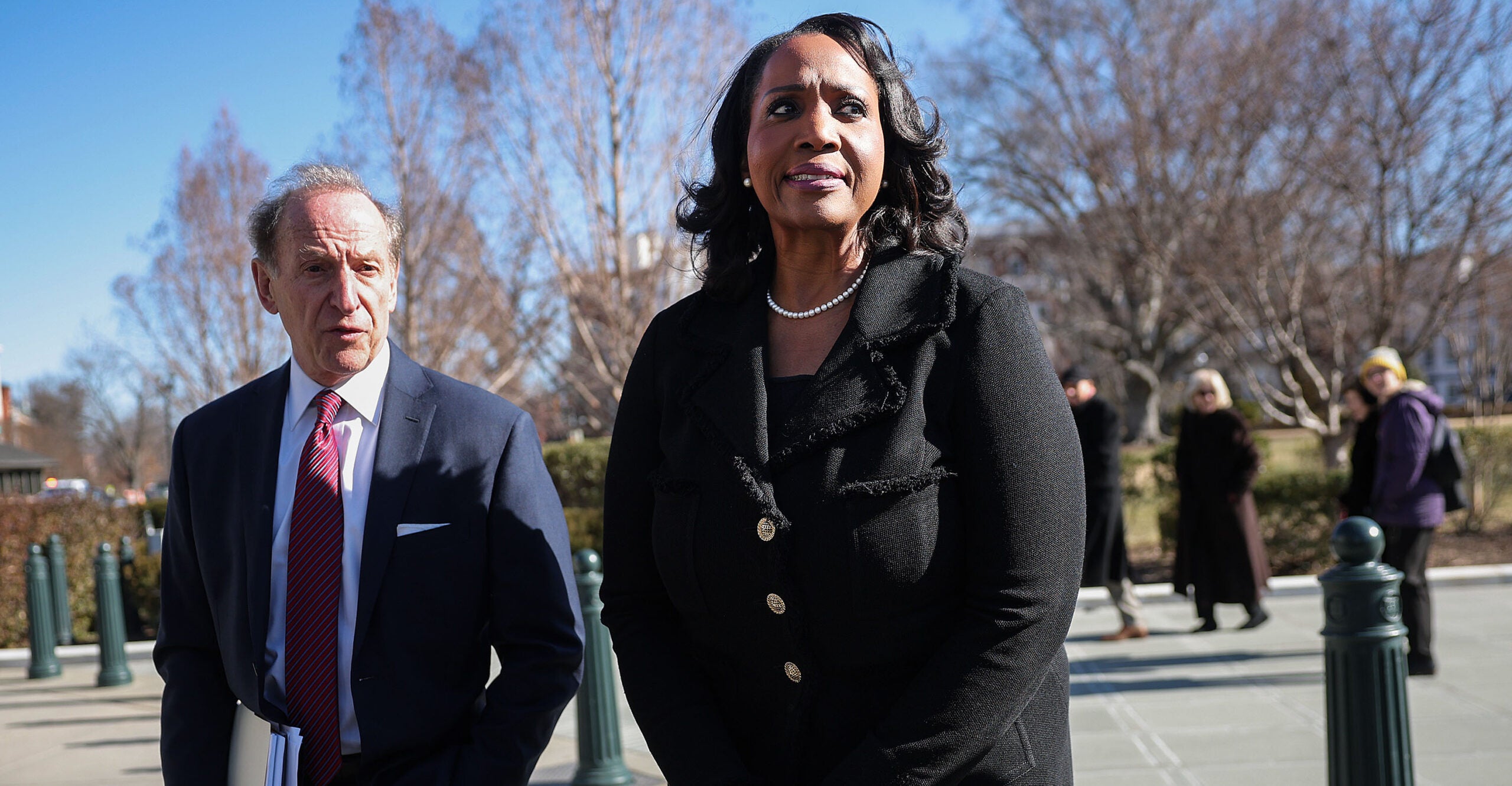
 Daily Signal
Hitler, Klan, Murder Hypotheticals Abound in SCOTUS Arguments on Trump Fed Firing
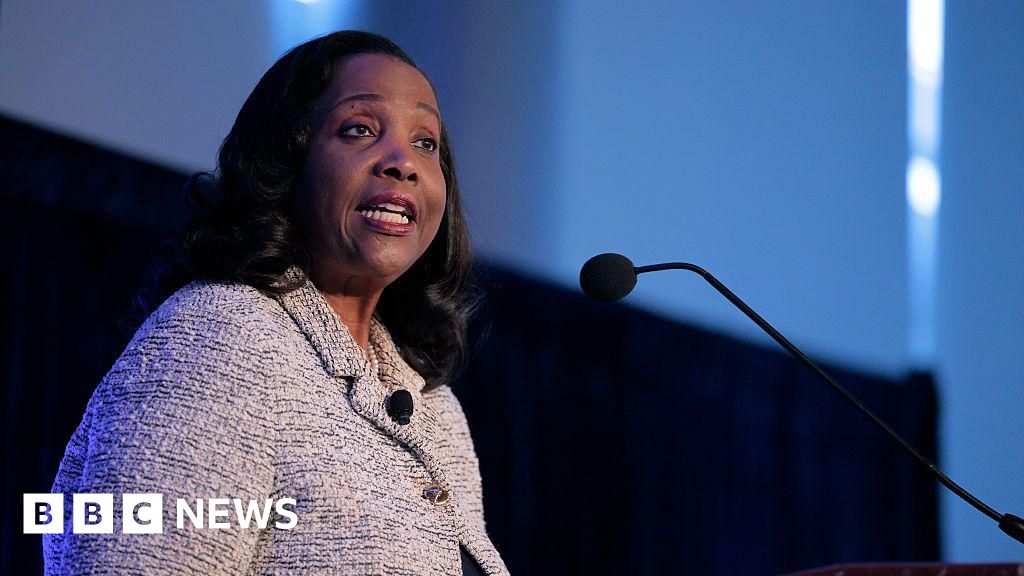
 BBC News
Supreme Court sceptical of Trump firing of Lisa Cook

 NPR
NPRSupreme Court appears wary of allowing Trump to fire Fed's Cook in closely watched case
Overview
LEAD: U.S. Supreme Court heard oral arguments on Jan. 21, 2026, at 10 a.m. EST on President Donald Trump's emergency request to immediately remove Federal Reserve Board Governor Lisa D. Cook while her legal challenge proceeds, court records and participants in the courtroom said.
CONTEXT: The appeal follows Trump's Oct. 2025 firing of Lisa D. Cook over alleged mortgage fraud that Cook denies and for which no criminal charges have been filed, after U.S. District Judge Jia Cobb ruled on Nov. 14, 2025, that governors may be removed only "for cause" and that Cook was deprived of due process, court records show.
RESPONSE: Solicitor General D. John Sauer argued in the courtroom and in filings that the president may determine whether the "for cause" standard is met and that courts should defer to presidential judgment, while Cook's lawyers, including Paul Clement and Abbe Lowell, said she was denied notice and the accusations were "cherry-picked" and not criminal, filings show.
SCALE: Allowing Cook's removal would enable President Donald Trump to appoint as many as four of the Federal Reserve's seven governors, potentially shifting board control amid three interest-rate cuts in the last four months of 2025 and a Justice Department criminal inquiry that has produced grand jury subpoenas to the Fed, economists and filings warned.
FORWARD: The Supreme Court could issue a ruling on the administration's emergency stay request within days and deliver a final decision in the broader case by the end of June 2026, observers and legal briefs said, while justices also consider whether to send the dispute back to lower courts or issue a lasting precedent on Fed independence.
Analysis
Center-leaning sources frame the story as an institutional threat to Fed independence: editors foreground skeptical Supreme Court signals and the potential political motive to control interest-rate policy, emphasize market and democratic stakes, and prominently feature judicial and Fed-source skepticism and critics’ claims. Selective organization and highlighted language amplify concern about presidential overreach.