Supreme Court Appears Likely To Strike Down Hawaii 'Vampire Rule'
Conservative majority signaled skepticism at oral arguments over Hawaii's rule that bars licensed carriers from bringing guns into private businesses without owner consent.
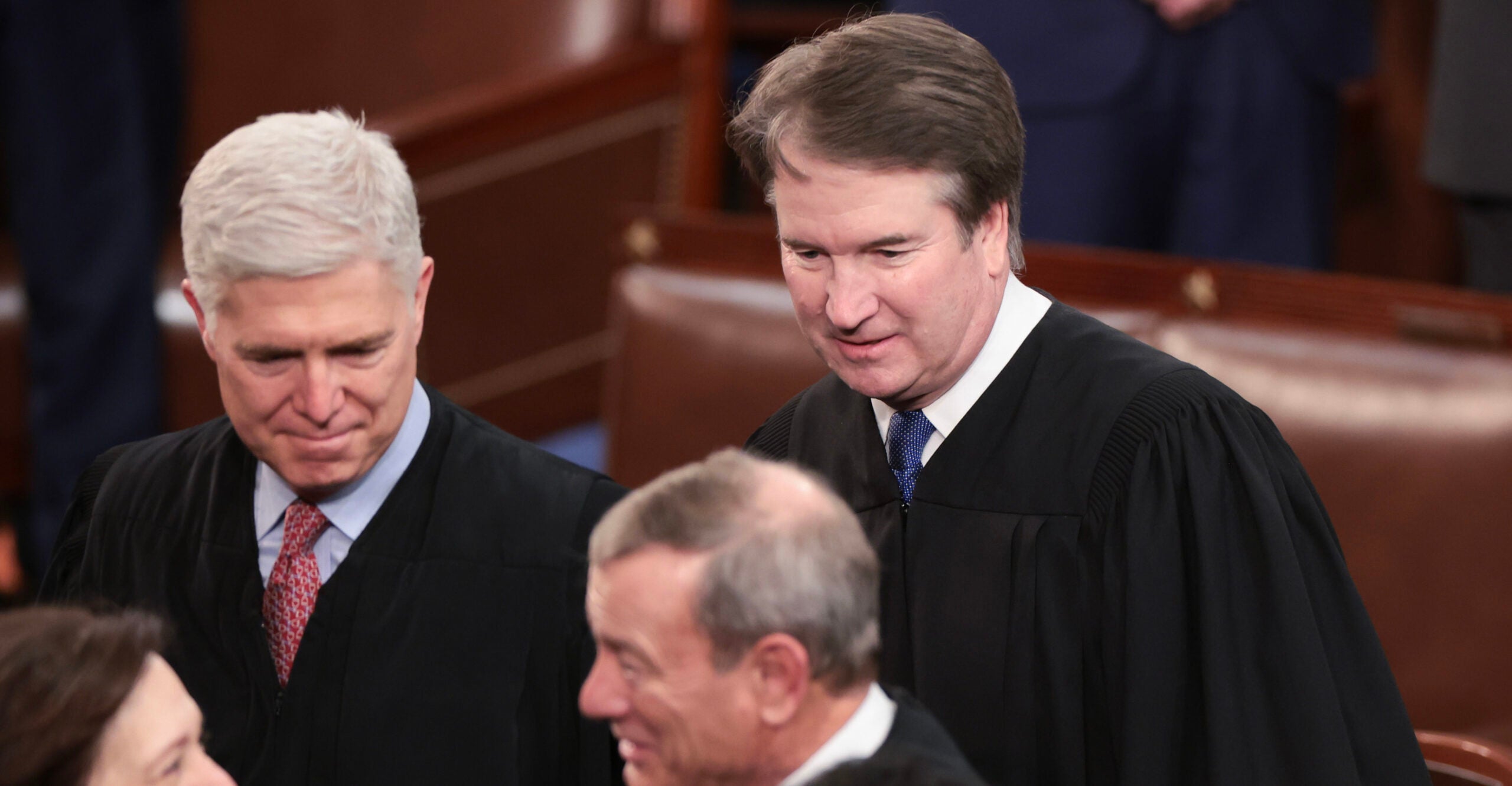
 Daily Signal
What SCOTUS Reaction to Hawaii 2nd Amendment Case Could Mean for Other State Gun Restrictions

 Boston Herald
Supreme Court seems likely to strike down Hawaii’s restrictions on guns in stores and hotels
 Associated Press
Supreme Court seems likely to strike down Hawaii's restrictions on guns in stores and hotels
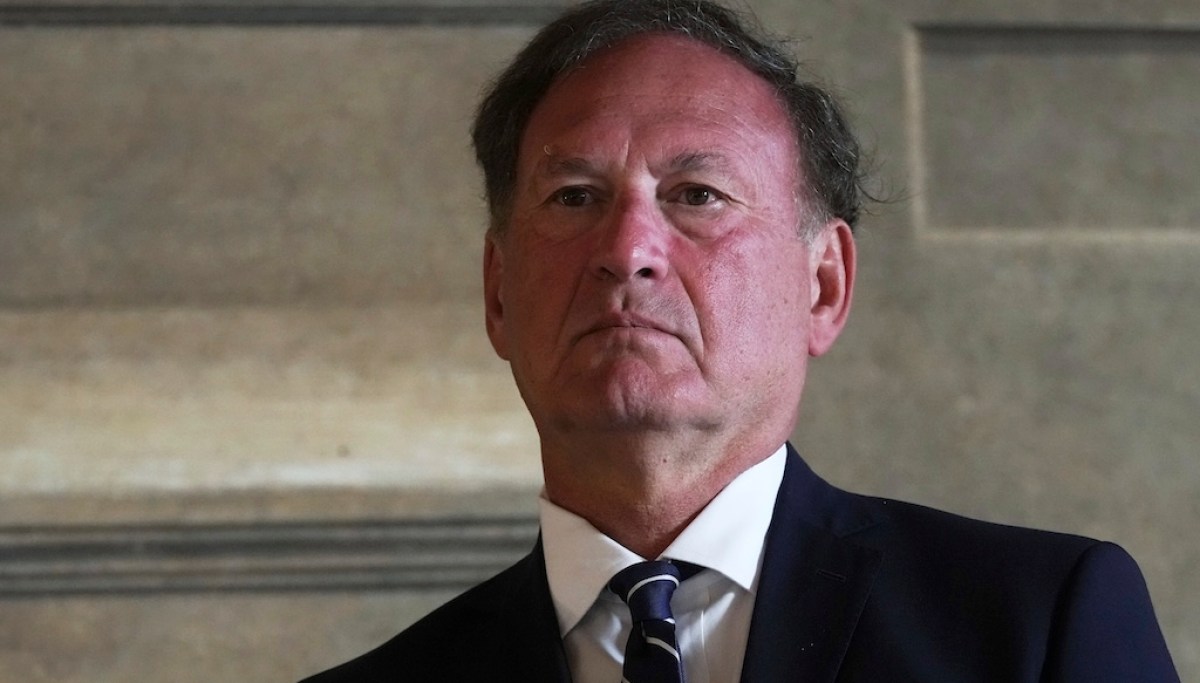
 Washington Examiner
Alito accuses Hawaii of relegating gun rights to 'second-class status'
Overview
LEAD: The Supreme Court appeared likely to strike down Hawaii's default rule barring concealed-carry license holders from bringing firearms onto private property open to the public without express owner permission, the justices signaled during oral arguments on Tuesday, Jan. 20, 2026, according to AP News.
CONTEXT: The challenge in Wolford v. Lopez (24-1046) was brought by Maui residents Jason Wolford, Alison Wolford and Atom Kasprzycki and the Hawaii Firearms Coalition against Hawaii Act 52, enacted in 2023 after the court's June 2022 Bruen decision, court filings show.
RESPONSE: Solicitor General D. John Sauer wrote in a Justice Department brief that Hawaii's default rule is "blatantly unconstitutional" as applied to private property open to the public, while Hawaii Attorney General Anne Lopez and her lawyer Neal Katyal argued in filings and at oral argument that Act 52 appropriately protects private property owners' right to exclude, according to court records and courtroom remarks in which Justice Samuel Alito said, "You're just relegating the Second Amendment to second-class status."
SCALE: Four other states—California, Maryland, New Jersey and New York—have enacted similar default consent rules, Hawaii has issued about 2,200 concealed-carry permits since the 2022 Bruen decision, violating Act 52 is a misdemeanor punishable by up to one year in prison, and the 9th U.S. Circuit Court of Appeals allowed enforcement after a district judge initially blocked parts of the law, according to court records and briefs.
FORWARD: The Supreme Court, which is also hearing a separate Second Amendment case about unlawful drug users, is expected to issue a decision in Wolford v. Lopez by late June 2026 that could clarify whether mid- to late-19th century laws qualify as historical analogues under the Bruen test, the court calendar and filings show.
Analysis
Center-leaning sources frame the story as leaning toward a pro–Second Amendment outcome by foregrounding conservative justices’ skepticism and the likelihood the law will be struck down. Editorial choices—using the nickname “vampire rule,” leading with probable Court action, and emphasizing conservative questions—shape the narrative; quoted lines remain source content.