UK Approves 'Mega' Chinese Embassy Near Financial Hub
UK planning minister approved a 20,000 sqm Chinese embassy at Royal Mint Court despite security objections and planned legal challenges.
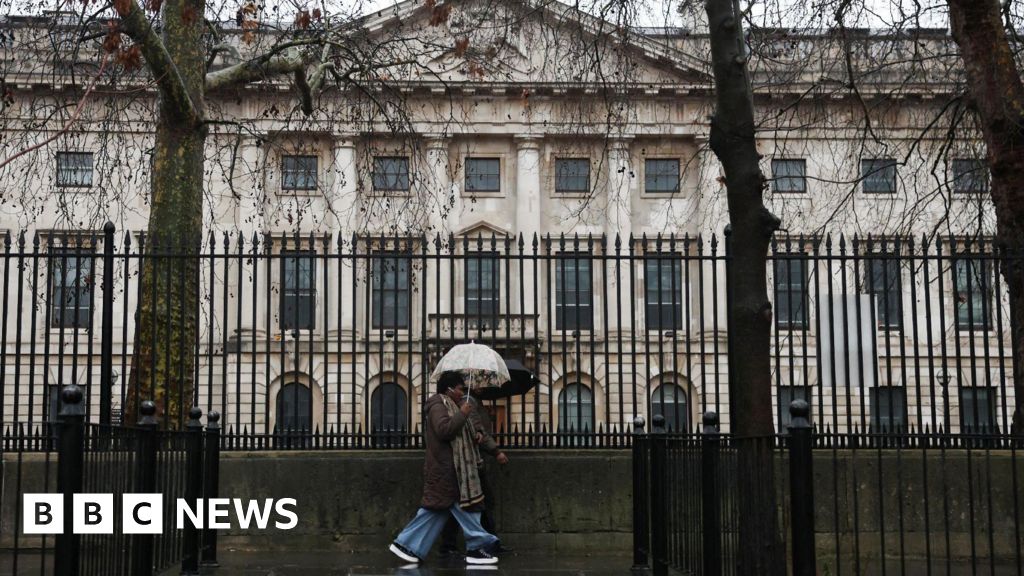
 BBC News
UK approves plans for Chinese mega-embassy in London
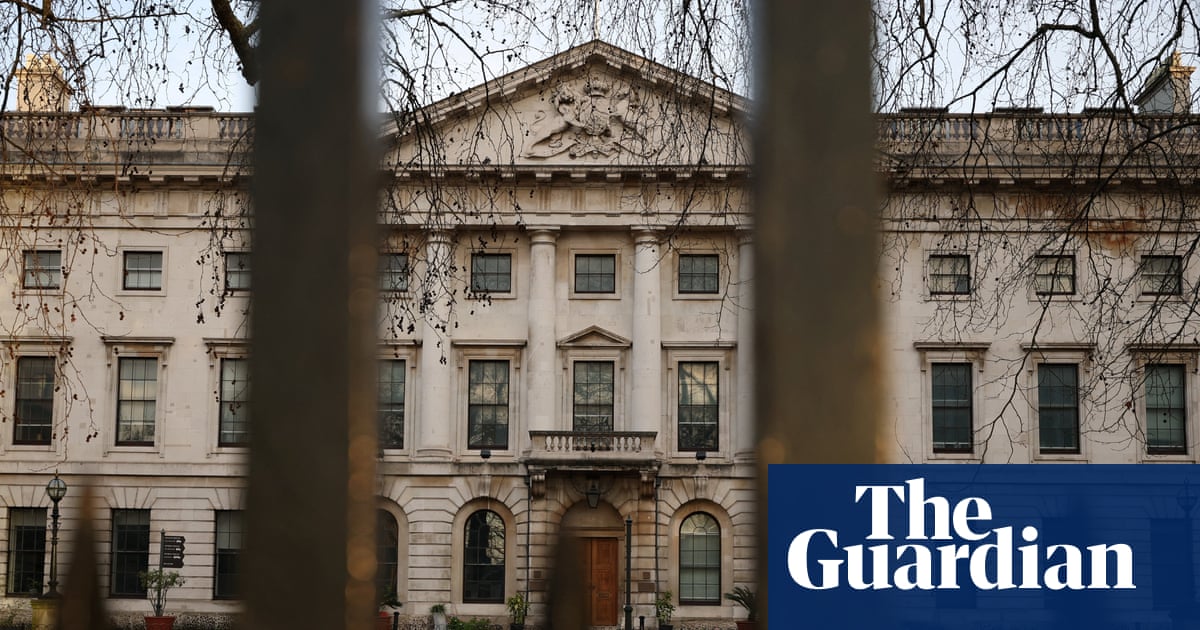
 The Guardian
UK government approves Chinese ‘mega embassy’ in London
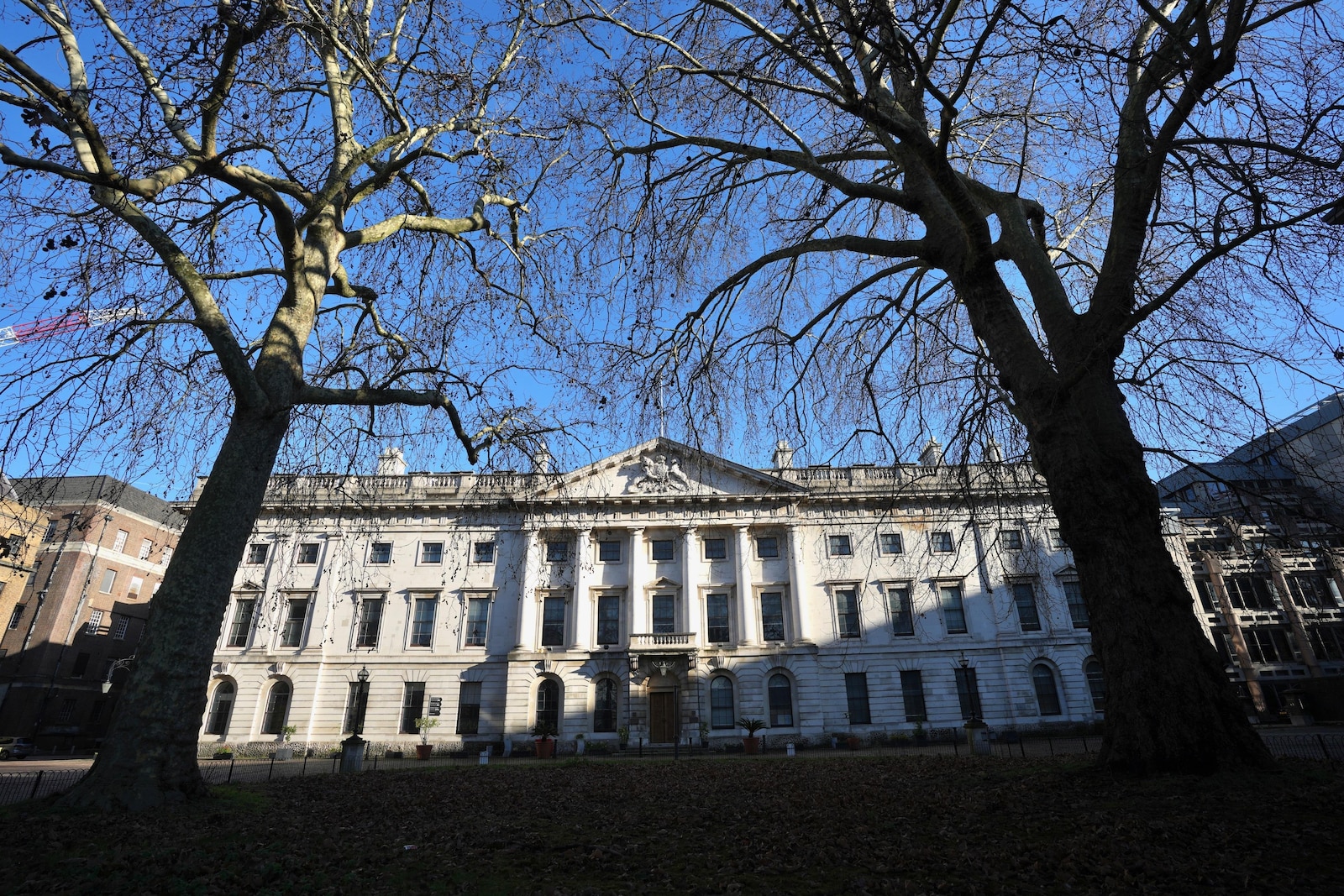
 ABC News
UK approves a ‘mega’ Chinese Embassy in London despite criticism of security risks
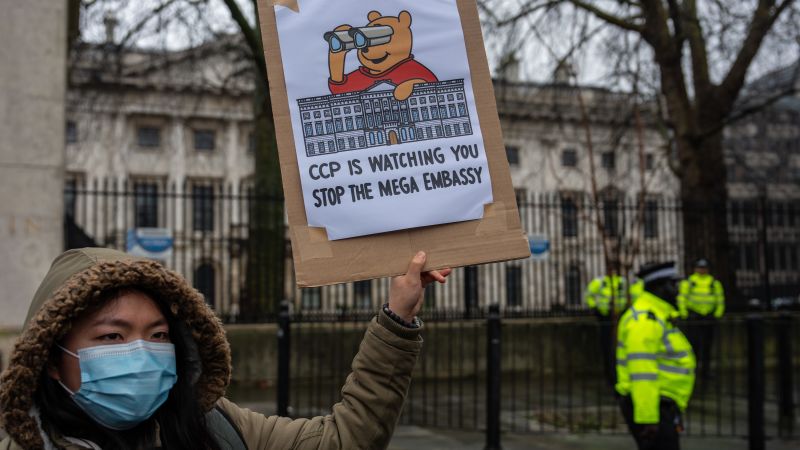
 CNN
CNNBritain approves ‘mega’ Chinese embassy in London despite national security fears
Overview
LEAD: Housing Secretary Steve Reed signed planning permission on Jan. 14, 2026, approving a 20,000-square-metre Chinese embassy at Royal Mint Court, subject to conditions, according to a decision letter released by the Department for Levelling Up, Housing and Communities.
CONTEXT: The decision follows a seven-year saga after China bought the site for 255m in 2018 and Tower Hamlets Council initially rejected the plans in 2022, prompting government intervention.
RESPONSE: MI5 Director General Sir Ken McCallum and GCHQ Director Anne Keast-Butler said in a joint letter that while it is "not realistic to expect to be able wholly to eliminate each and every potential risk," a "proportionate" package of national security mitigations had been developed, officials confirmed.
SCALE: The site would be the largest Chinese diplomatic compound in Europe at 20,000 square metres and China reported spending 255m in 2018, and opponents warn of up to 208 basements rooms adjacent to fibre optic cables carrying financial data, according to media reports.
FORWARD: Residents of Royal Mint Court and opposition MPs plan legal challenges and judicial review filings within weeks, and Prime Minister Keir Starmer is expected to visit Beijing in late January 2026, officials and opposition spokespeople said.
Analysis
Center-leaning sources frame the story as a security-centered controversy by foregrounding critics and threat language (e.g., "mega", "supersized", "espionage", "secret basement rooms") while later including official reassurances. Editorial choices — source selection that amplifies opponents' concerns and lead-paragraph emphasis — create a cumulative narrative of risk, even as agency quotes provide counterbalance.