Judge Denies Lawmakers' Bid For Epstein Files Monitor
U.S. District Judge Paul A. Engelmayer ruled the court cannot appoint a monitor in Ghislaine Maxwell's case and directed lawmakers to seek other remedies.
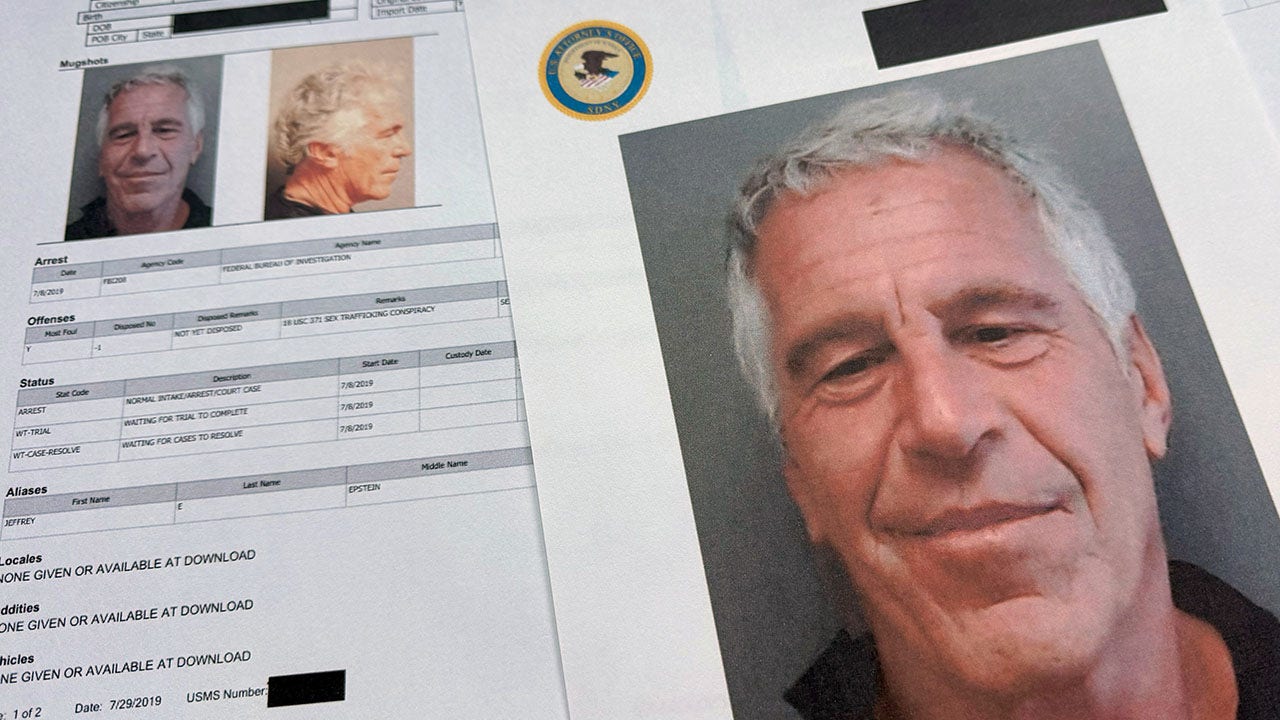
 FOX News
Federal judge blocks lawmakers' effort to force DOJ release of Epstein files
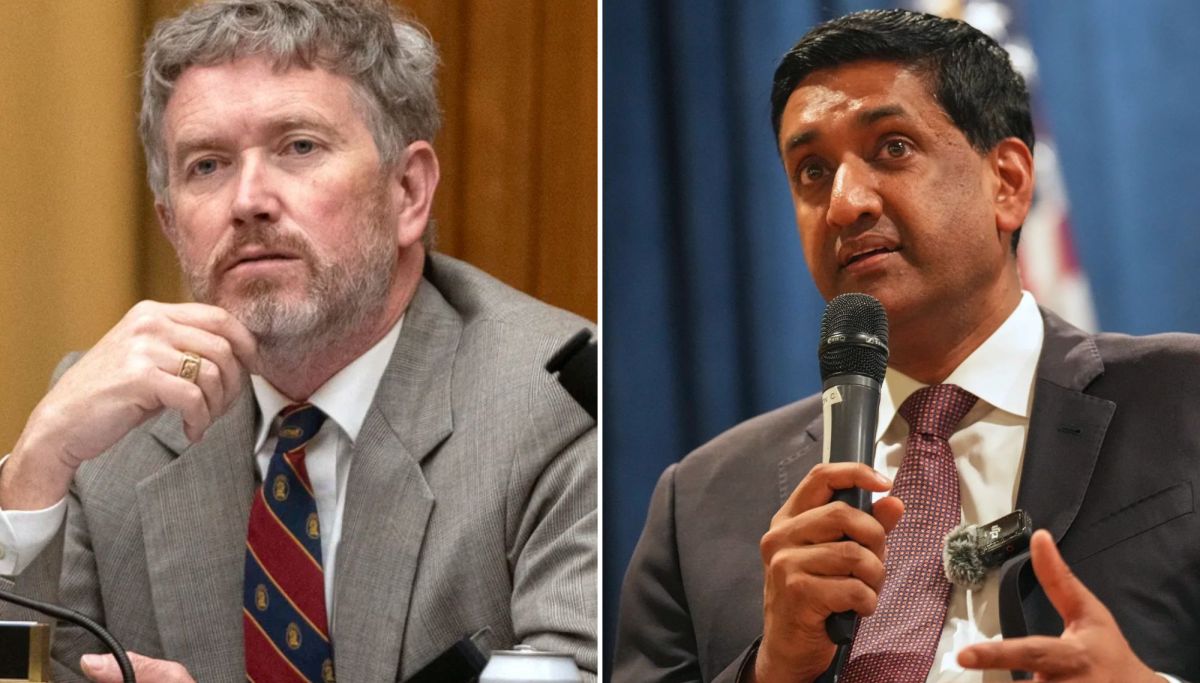
 Washington Examiner
Judge denies Massie and Khanna's 'independent monitor' for release of Epstein files
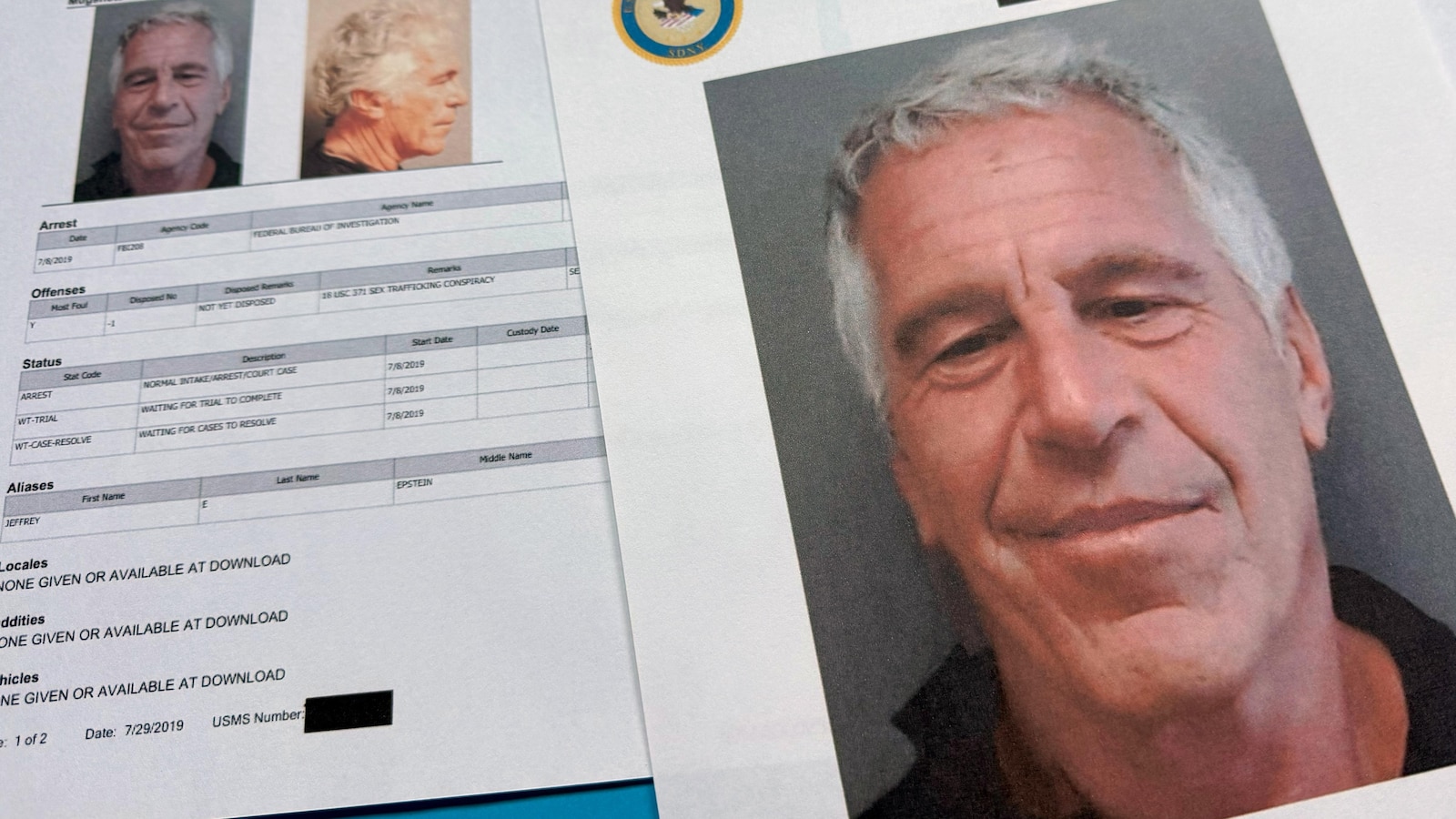
 ABC News
Judge rules against lawmakers pressing for monitor to ensure release of Epstein files

 Boston Herald
Lawmakers can sue to ensure release of Epstein files, but not as part of Maxwell case, judge says
 Newsmax
Court Rejects Lawmakers' Effort to Speed Release of Epstein Files
Overview
LEAD: U.S. District Judge Paul A. Engelmayer ruled Wednesday that U.S. Reps. Ro Khanna and Thomas Massie lack standing to intervene in Ghislaine Maxwell's criminal case and denied their request for a special master to oversee Justice Department compliance with the Epstein Files Transparency Act, saying the court has no authority to supervise DOJ implementation, according to a seven-page opinion.
CONTEXT: The lawmakers filed their request after the Epstein Files Transparency Act, championed by Khanna and Massie and signed into law by President Donald Trump in November, set a Dec. 19 deadline to disclose records and the Justice Department had made only about 12,000 documents public out of more than 2 million identified investigative files, the filings show.
RESPONSE: The Justice Department told the court that the Representatives were not proper parties and that the criminal case against Maxwell—who is serving a 20-year sentence for her 2021 conviction—does not give the court jurisdiction over implementation of the civil disclosure statute, U.S. Attorney for the Southern District of New York Jay Clayton wrote, while Khanna and Massie said they will pursue other legal and legislative avenues to force release of the records.
SCALE: The DOJ has said hundreds of lawyers are reviewing more than 2 million documents to determine necessary redactions to protect hundreds of alleged victims' identities, and Judge Engelmayer noted he received letters and emails from survivors expressing concern that DOJ is "paying 'lip service' to the victims," the opinion states.
FORWARD: Engelmayer told the lawmakers they may file a civil lawsuit or use congressional oversight tools because the Epstein law contains no enforcement mechanism, and Rep. Ro Khanna said in a statement that "we will continue to use every legal option" to ensure the files are released, leaving no set timeline for full public disclosure.
Analysis
Center-leaning sources present this story neutrally, emphasizing legal procedure and competing claims. They quote lawmakers' concerns, the judge's rulings and rationale, DOJ's redaction process, and survivors' statements, avoiding loaded editorial language. Coverage focuses on facts, timelines, and legal standing rather than advocacy or emotive framing.