Supreme Court Signals Skepticism Over Trump's Attempt To Oust Fed Governor Lisa Cook
Supreme Court justices expressed doubt about President Trump's authority to remove Fed governor Lisa Cook, signaling they may keep her in office while legal challenges proceed and raising stakes for Fed independence.
 Semafor
US Supreme Court skeptical over Trumpâs attempt to fire Fedâs Lisa Cook

 Slate
SlateOnly Messing with the Fed Can Make Chief Justice John Roberts This Grumpy.
 Slate
SlateBrett Kavanaugh Delivered the Most Chilling Warning About Trump’s Attack on the Fed
 FOX News
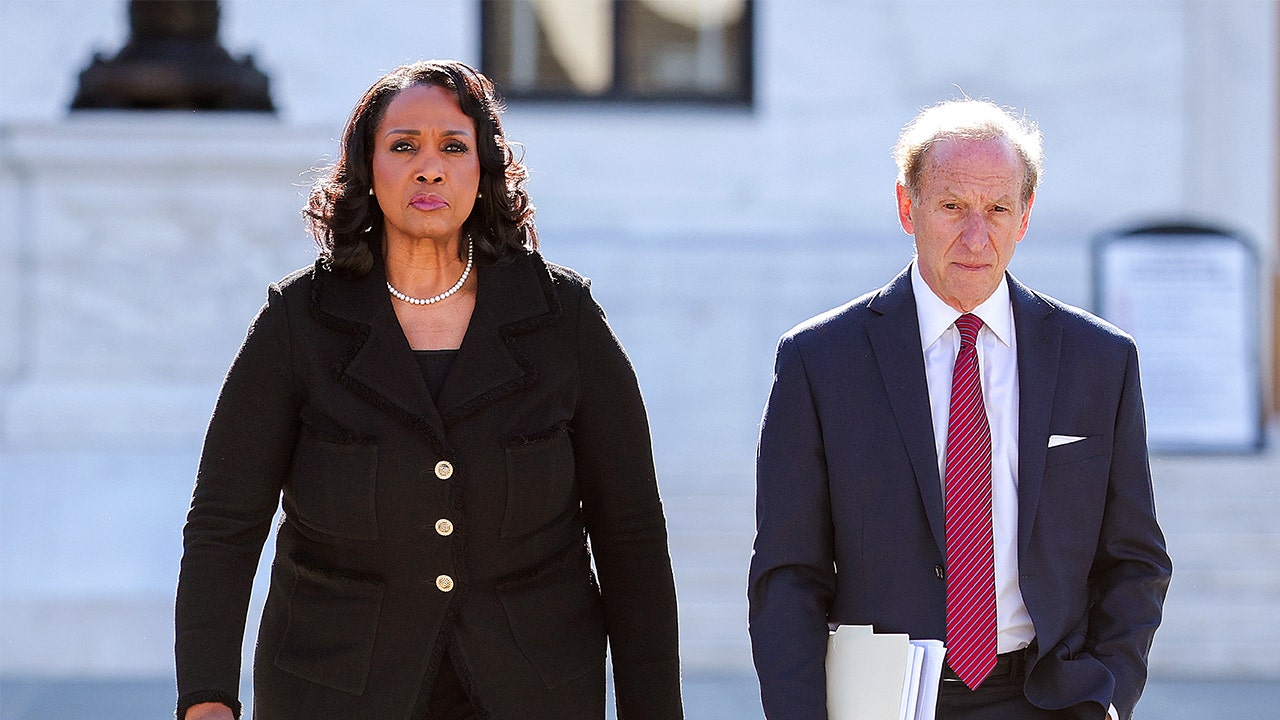
Fed's Cook doubles down on her role after SCOTUS wraps
Overview
The U.S. Supreme Court signaled skepticism Wednesday toward President Donald J. Trump's attempt to remove Federal Reserve Governor Lisa Cook and kept Cook in her post pending review, according to the oral-argument record.
The dispute began after President Trump posted a termination letter on Truth Social Aug. 25 citing alleged mortgage fraud, and U.S. District Judge Jia Cobb enjoined Cook's removal, finding likely due-process violations, court filings show.
Solicitor General D. John Sauer urged deference to the president, saying the allegations impugn Cook's fitness, while Paul D. Clement argued the firing lacked due process, according to the oral-argument transcript.
If upheld, the administration's position would permit at-will removal of Fed governors and could reshape tenure protections across independent agencies, a risk noted by multiple justices during arguments, according to the oral-argument record.
The court could remand for factfinding or decide the merits quickly, and observers say a ruling could come by the end of June, potentially affecting the Fed's participation in the policy meeting later this month.
Analysis
Center-leaning sources frame the story as judicial pushback against a politically motivated White House effort to control the Fed. They emphasize skepticism with verbs like 'appeared poised' and 'appeared skeptical,' highlight motives ('quest for lower interest rates', 'criminal probe'), and cite the Wall Street Journal's 'pattern of pretextual coercion.'