House Narrowly Defeats War Powers Resolution Targeting Trump Venezuela Plans
The House voted 215-215 Thursday, failing to bar President Trump from deploying U.S. forces to Venezuela after a last-minute decisive vote by Rep. Wesley Hunt.
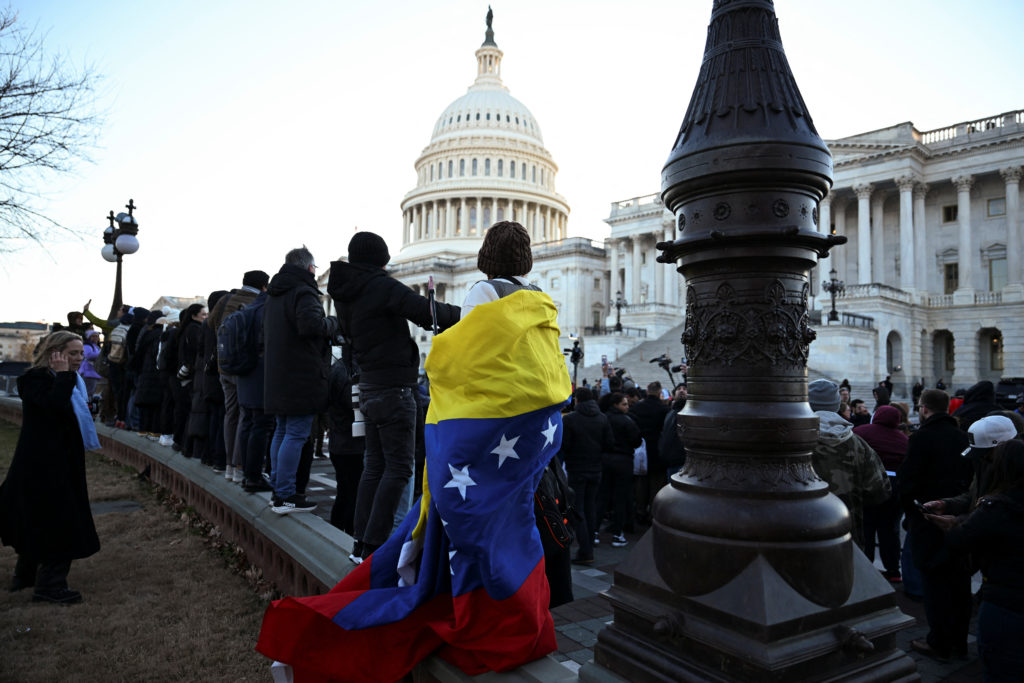
 PBS NewsHour
House Republicans barely defeat war powers resolution to check Trump’s military actions in Venezuela
 Epoch Times
House Narrowly Rejects Democratic Bid to Limit Military Action in Venezuela

 Chicago Tribune
House Republicans narrowly defeat Venezuela war powers resolution to check President Trump’s military actions
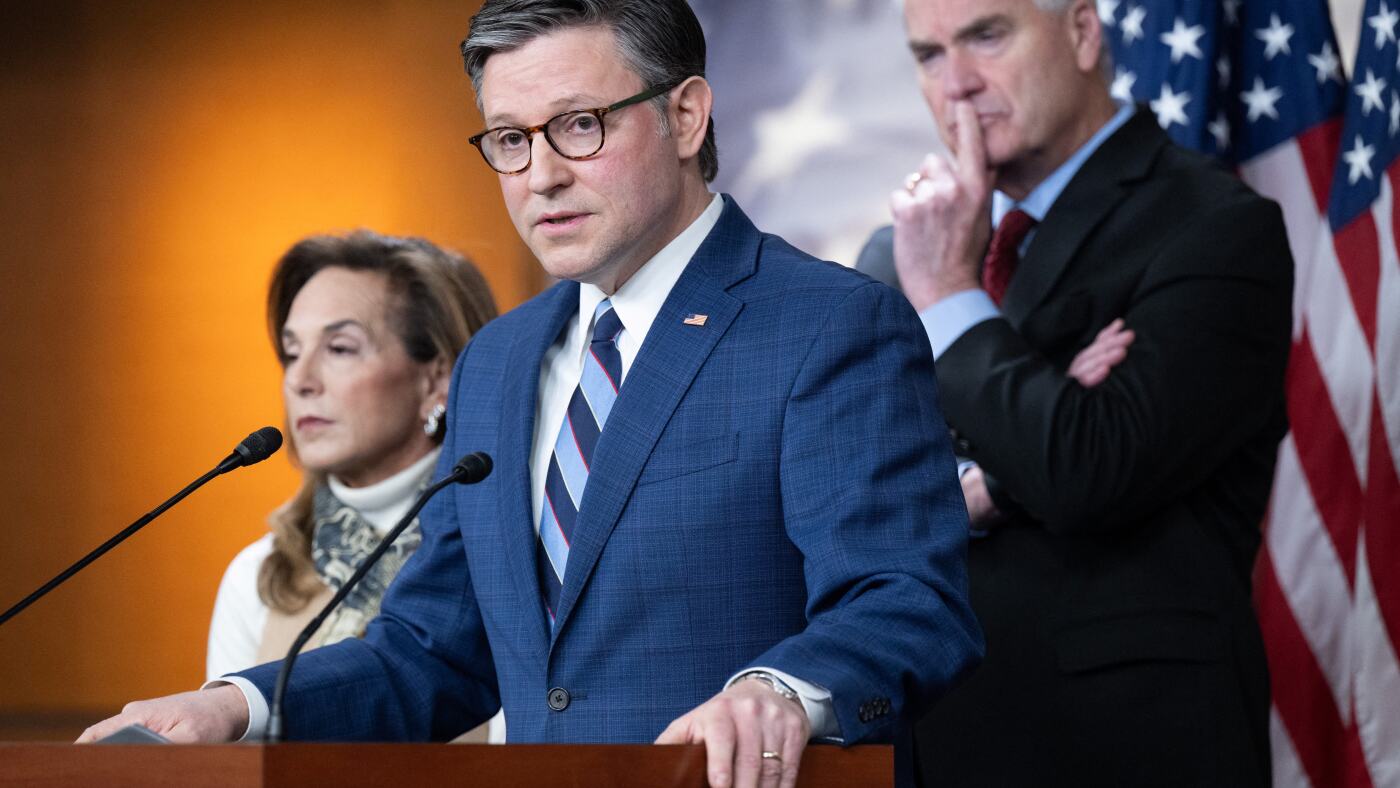
 NPR
NPRRepublican-led House blocks effort to limit President Trump's war powers in Venezuela
Overview
The House rejected a Democratic-backed war powers resolution 215-215 after U.S. Rep. Wesley Hunt returned to cast the decisive 'no' vote following a 20-minute prolonged roll call, congressional records show.
The measure, sponsored by Rep. Jim McGovern, D-Mass., would have directed President Donald Trump to remove U.S. forces from Venezuela in response to the Jan. 3 raid that captured Nicolás Maduro, according to the resolution text.
Two Republicans, Rep. Thomas Massie of Kentucky and Rep. Don Bacon of Nebraska, joined all Democrats in supporting the resolution, prompting heated floor debate and shouts that leaders violated procedures, according to floor video.
Administration officials told senators last week there are currently no U.S. troops in Venezuela and Secretary of State Marco Rubio committed to brief the Senate Foreign Relations Committee next week, congressional aides said.
Lawmakers face continued tests over war powers and Venezuela as Democrats push for transparency on oil license deals worth roughly $250 million and potential donor ties, and more votes are expected in coming weeks.
Analysis
Center-leaning sources frame the story skeptically toward Trump’s foreign policy by using evaluative verbs ('aggressions', 'tenuous hold', 'regional bully'), prioritizing Democratic and centrist Republican concerns over secrecy and oil deals, and structurally linking votes to allegations of overreach and possible donor benefit, thereby emphasizing congressional check and potential conflicts.