U.S. Sends Carrier Strike Group Toward Iran Amid Crackdown
Pentagon ships, fighters and support planes are moving to the Middle East after Jan. 22 remarks and amid disputed tallies of protest deaths in Iran.
 Associated Press
A look at the US military assets heading to the Middle East
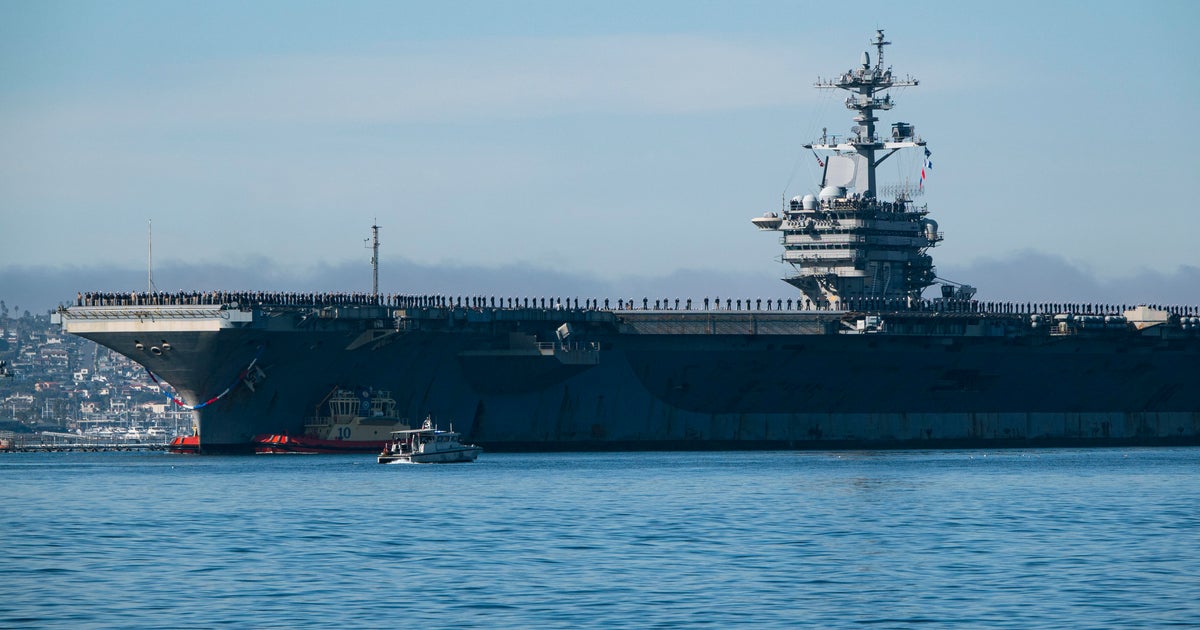
 CBS News
Trump says "armada" of warships is headed toward Iran "just in case"
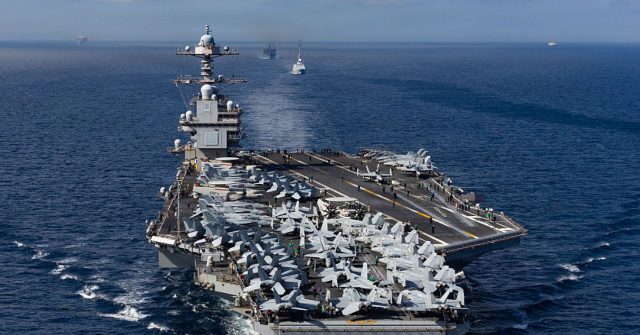
 Breitbart News
Trump Says U.S. ‘Armada’ Is Bearing Down on Iran
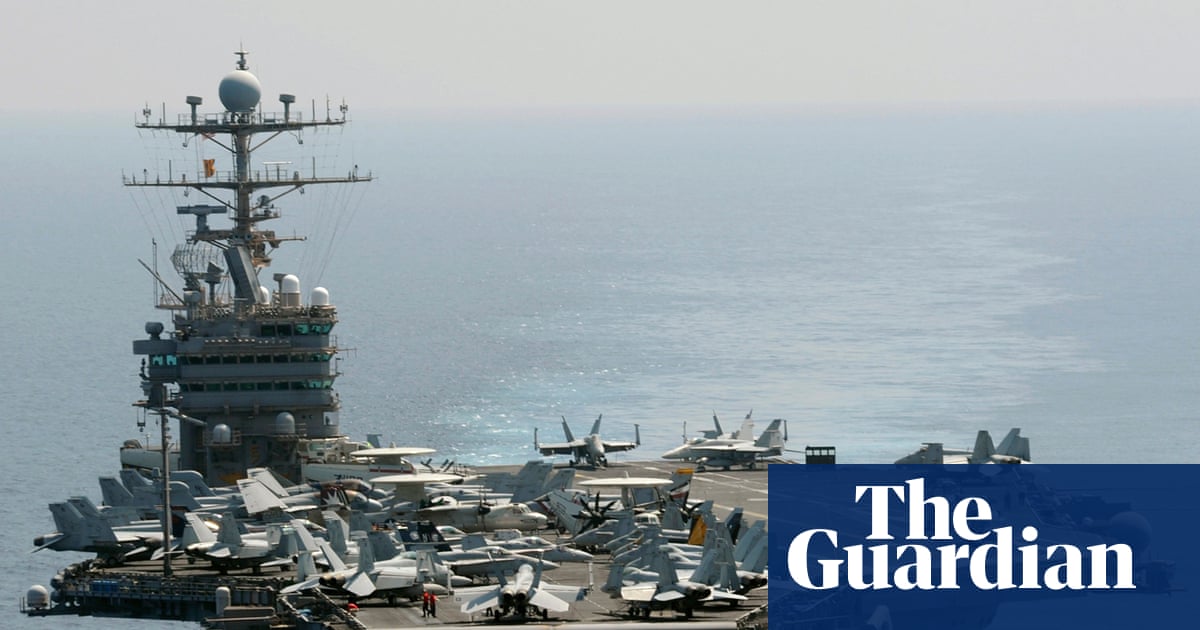
 The Guardian
Trump says US ‘armada’ heading to Middle East as Iran death toll passes 5,000
Overview
President Donald Trump said on Jan. 22 aboard Air Force One that "we have an armada" as the aircraft carrier USS Abraham Lincoln and three guided-missile destroyers left the South China Sea and moved toward the Indian Ocean, a Navy official who spoke on condition of anonymity said.
The deployment follows nationwide protests that began Dec. 28 and an intense government crackdown that the U.S.-based Human Rights Activists in Iran estimates has left at least 5,002 dead and nearly 26,541 detained, figures marked by conflicting tallies from other monitors and Iranian officials.
Mohammad Movahedi, Iran's chief prosecutor, said on Jan. 22 that reports alleging hundreds of planned executions were "completely false," according to state media, disputing U.S. officials' assertions and rights monitors' concerns.
The Lincoln strike group would add roughly 5,700 service members plus squadrons of fighter jets and electronic attack aircraft and would join U.S. littoral combat ships in Bahrain and destroyers at sea in the Persian Gulf, two U.S. officials said.
Two U.S. officials said the carrier strike group could arrive in the Middle East within days, and U.N. High Commissioner for Human Rights Volker Türk warned at a Jan. 22 briefing that while street killings may have subsided, brutal repression and mass arrests continue, raising the risk of further escalation.
Analysis
Center-leaning sources frame the story as a U.S. deterrence posture, emphasizing military movements and presidential threats while juxtaposing official denials and activist casualty counts. Through selective sourcing—anonymous military officials, activists, and government statements—and highlighted terms like "massive fleet" and "deadly crackdown," sources shape a cautious, security-focused narrative.