TikTok Finalizes U.S. Joint Venture Backed By Oracle, Silver Lake And MGX
TikTok formed TikTok USDS Joint Venture LLC on Jan. 22, 2026, with Oracle, Silver Lake and MGX each taking 15% and ByteDance retaining 19.9%.
 Washington Examiner
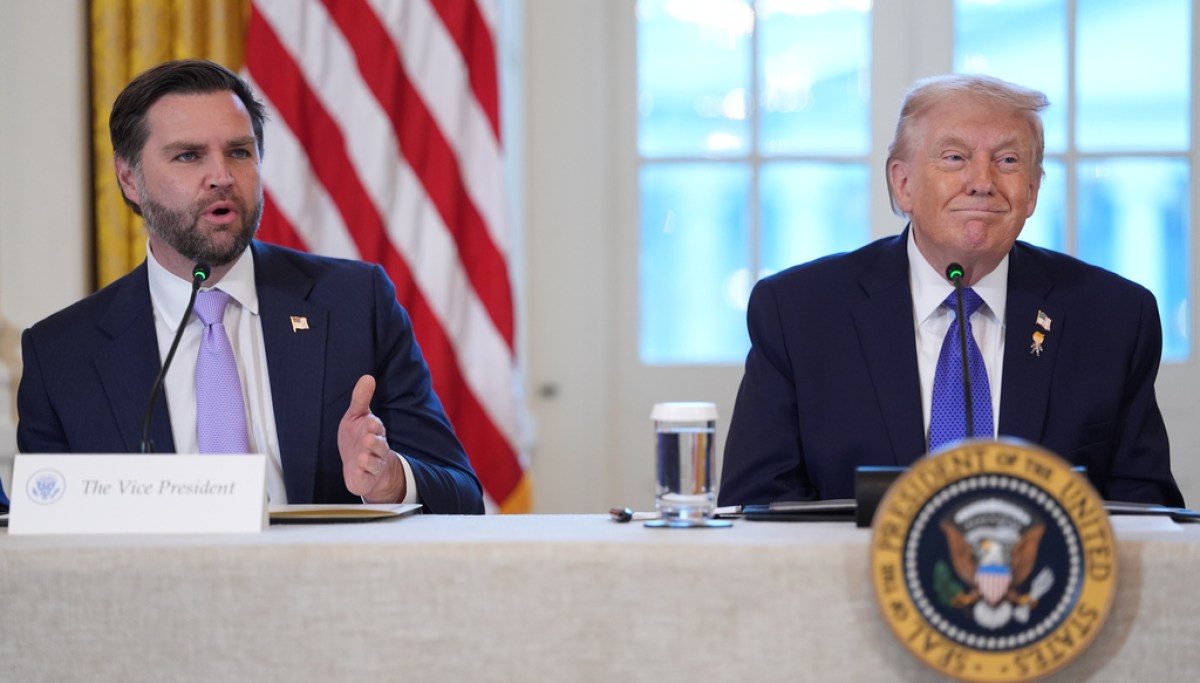
The inside story of how JD Vance 'landed the plane' on Trump's TikTok deal

 Chicago Tribune
What to know about the deal to keep TikTok in US

 New York Post
Trump-backed deal to ‘save’ TikTok faces lingering security questions for Congress: ‘It’s a smokescreen’

 Boston Herald
What to know about the deal to keep TikTok in US
Overview
TikTok announced on Jan. 22, 2026 that it had formed TikTok USDS Joint Venture LLC, giving Oracle, Silver Lake and MGX 15% stakes each and leaving ByteDance with a 19.9% stake, according to the company.
The agreement aims to comply with a bipartisan 2024 law that would have banned TikTok in the U.S. had ByteDance not divested by Jan. 19, 2025, records show, and follows a series of deadline extensions by the Trump administration.
President Donald Trump praised the transaction in a Truth Social post calling it a victory for American investors, while Senator Edward Markey said the White House provided 'virtually no details' and demanded congressional scrutiny, their statements show.
TikTok said the new joint venture will be governed by a seven-member board including CEO Shou Zi Chew and will be led by Adam Presser as CEO and Kim Farrell as chief security officer, with the U.S. unit valued at about $14 billion and roughly 200 million U.S. users affected, according to the administration's estimate.
The House Select Committee on China plans to hold a public hearing to probe whether ByteDance's licensing of the algorithm and retained roles violate the divestment law, and analysts warned retraining the algorithm could leave security or bias risks, congressional statements and expert interviews show.
Analysis
Center-leaning sources frame the story cautiously, emphasizing unresolved security and moderation questions via editorial choices—language like 'questions remain', lead emphasis on algorithm licensing and investor ties, and selection of skeptical analysts and lawmakers. Source content (quoted experts and officials) supplies the specific warnings and reactions, while upbeat business benefits are deemphasized.