Arizona Attorney General Kris Mayes Faces Backlash Over ICE Remarks
Mayes told KPNX on Jan. 20, 2026 that she does not consider ICE "officers" real law enforcement and cited Arizona's Stand Your Ground law.
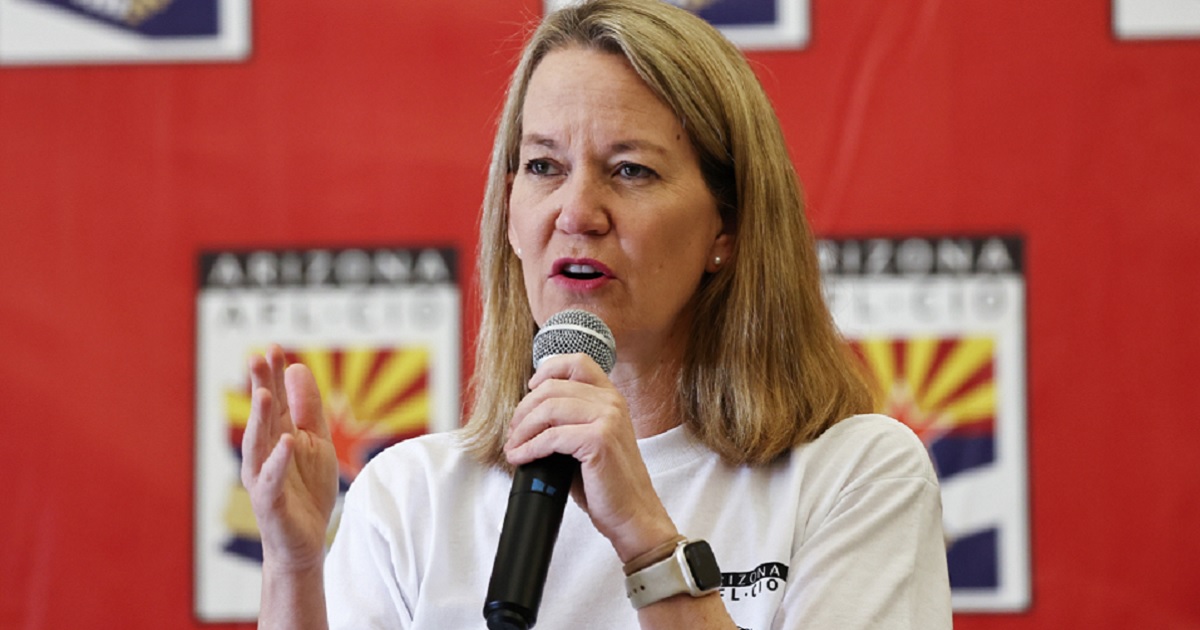
 Western Journal
Border State AG Slammed for Giving ‘Tutorial on How to Shoot Police Officers'
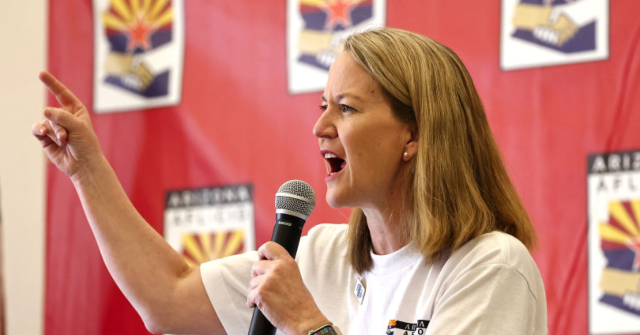
 Breitbart News
Arizona's Democrat AG Kris Mayes: ICE 'Officers' Are Not 'Real Law Enforcement'
 Breitbart News
Police Association Blasts AZ AG Kris Mayes' 'Reckless' Comments About Shooting ICE Agents
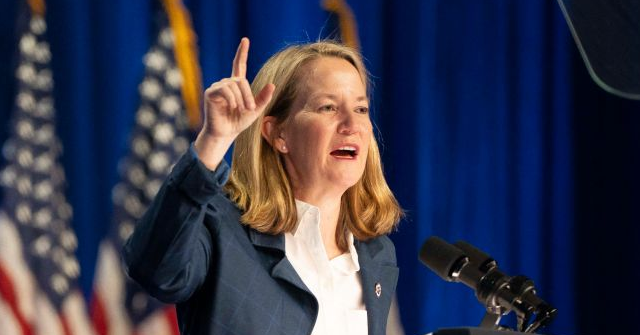 Breitbart News
AZ Sen. Majority Leader Demands State AG 'Step Down in Disgrace' Over Comments About Shooting ICE
Overview
In a Jan. 20, 2026 televised interview with KPNX-TV's Brahm Resnik, Arizona Attorney General Kris Mayes said she does not consider Immigration and Customs Enforcement "officers" to be "real law enforcement," according to the interview.
Mayes told viewers she would "watch" ICE and promised to "investigate" and "prosecute" if agents violate Arizona law, and she cited the state's Stand Your Ground law when questioning how masked agents would be identified, according to the interview.
The Arizona Police Association called Mayes' remarks "reckless, irresponsible, and dangerous" in a Jan. 22, 2026 letter, and Arizona Senate Majority Leader John Kavanaugh demanded Mayes "step down in disgrace" in a Jan. 23, 2026 letter, his office said.
Department of Homeland Security Assistant Secretary Tricia McLaughlin told the New York Post that Mayes' comments were "a direct threat calling for violence" and warned that "this kind of rhetoric is going to get someone killed," DHS said.
Mayes urged protesters to remain peaceful in the Jan. 20 interview but also said "you're not allowed to shoot peace officers" while questioning how people would know an agent's identity, a contested account that critics say risks encouraging violence, her remarks show.
Analysis
Center-leaning sources present a framed, pro–Second Amendment narrative by privileging anecdotes and historical quotations that valorize armed resistance while minimizing legal nuance. Editorial choices—loaded phrases ('goons,' 'noble history'), selective case selection (Magee, Thao), and omission of counterarguments about law enforcement identification—collectively normalize vigilantism as justified self-defense.