Rep. Tom Suozzi Retracts DHS Vote After Minneapolis ICE Shooting
Rep. Tom Suozzi apologized for voting to advance a DHS bill that funds ICE after the Minneapolis killing of Alex Pretti and Democrats threatened to block funding ahead of Jan. 30.
 Daily Beast
Trump Facing Shutdown Threat Over ICE Shooting Backlash
 FOX News
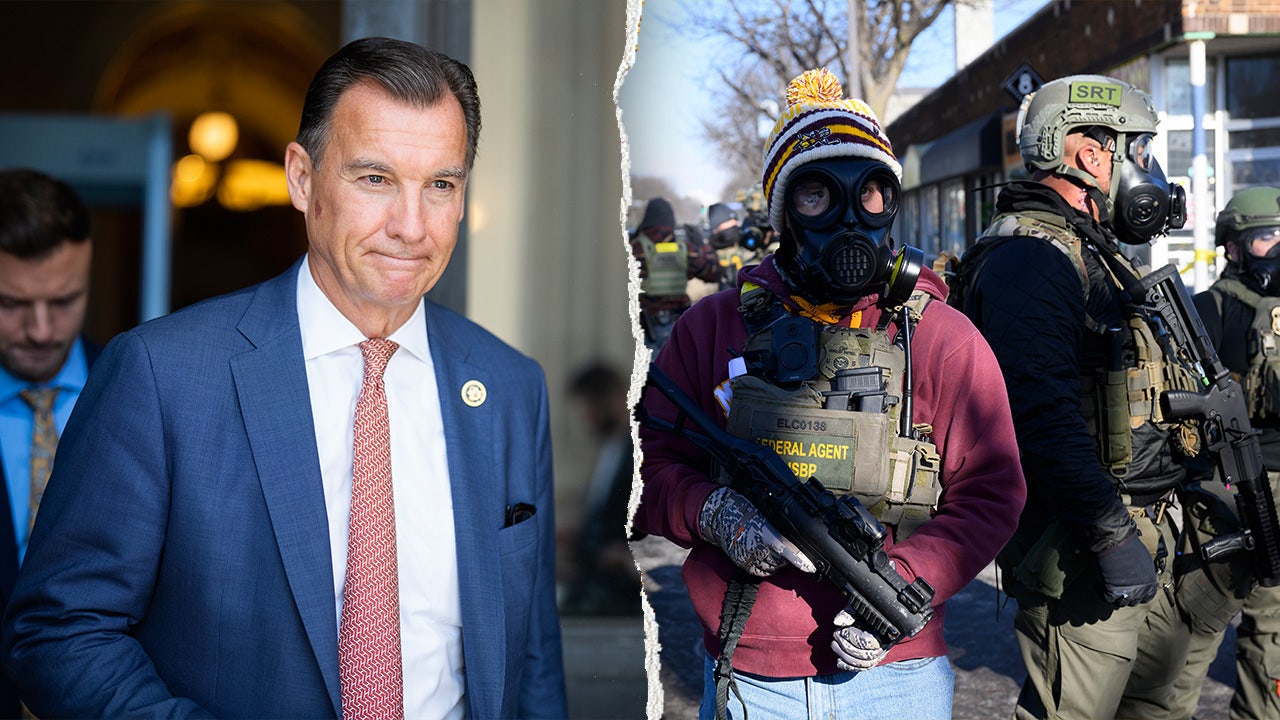
Democrat who broke with party says his DHS funding vote a 'mistake' after 2nd Minneapolis ICE shooting

 Daily Caller
Democrat Issues Public Apology For Crime Of Voting To Fund ICE
 Washington Examiner
How is the looming government shutdown different from last fall's?
Overview
Rep. Tom Suozzi said he regretted last week’s vote to advance DHS funding and apologized, saying “I failed to view the DHS funding vote as a referendum on the illegal and immoral conduct of ICE in Minneapolis,” in a public statement.
Senate Minority Leader Chuck Schumer said on X that Democrats will withhold 60 votes to block the $1.3 trillion minibus because it contains a $64.4 billion DHS package that includes $10 billion for ICE, Senate aides said.
DHS said Immigration and Customs Enforcement officers shot and killed Alex Pretti after he attempted to disrupt law enforcement while armed and DHS Secretary Kristi Noem said agents acted in self‑defense, a characterization disputed by footage and Senate aides.
Seven House Democrats joined Republicans to advance the package in a 210‑207 vote, and Republicans—who hold 53 Senate seats—need at least seven Democratic votes to reach the 60‑vote threshold to overcome a filibuster, according to roll call records and aides.
With a Jan. 30 funding deadline, negotiators are weighing whether to strip DHS from the minibus and pass the other five bills, a move that would require the House to return from recess and could trigger a partial government shutdown, Senate aides warned.
Analysis
Center-leaning sources frame the story as a partisan, moral showdown over DHS funding after fatal Border Patrol/ICE shootings, emphasizing Democratic outrage and procedural stakes. Editorial choices foreground Democratic statements and calls to split the DHS bill, provide historical ICE context, and structure copy around shutdown timelines and legislative hurdles to heighten urgency.