Pentagon Reorients Defense Strategy, Elevates Homeland Priority
The 34-page National Defense Strategy released Jan. 23, 2026 places homeland and Western Hemisphere security ahead of China.
 Associated Press
How the old and new US defense strategies differ on traditional priorities
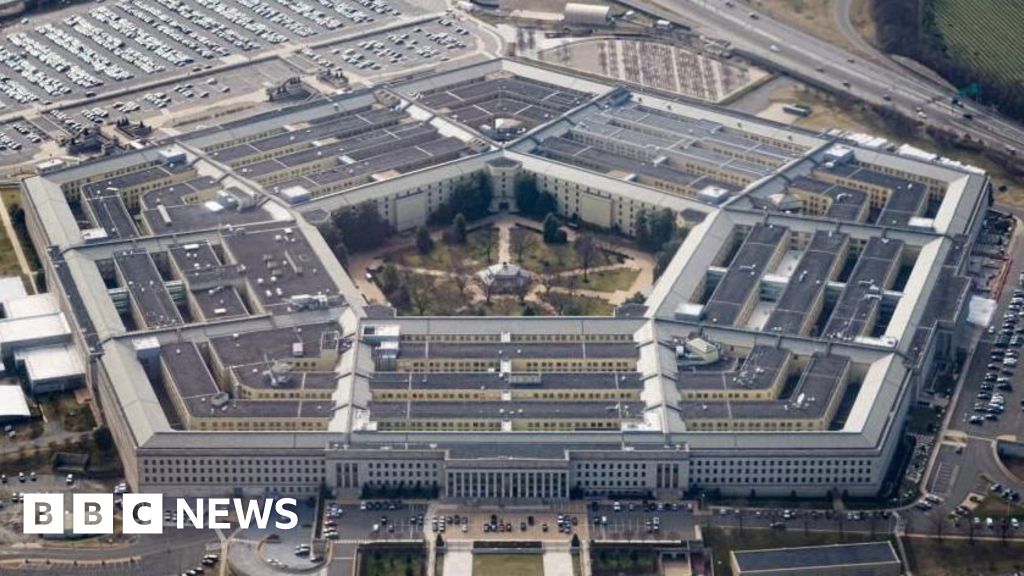
 BBC News
Pentagon to offer 'more limited' support to US allies
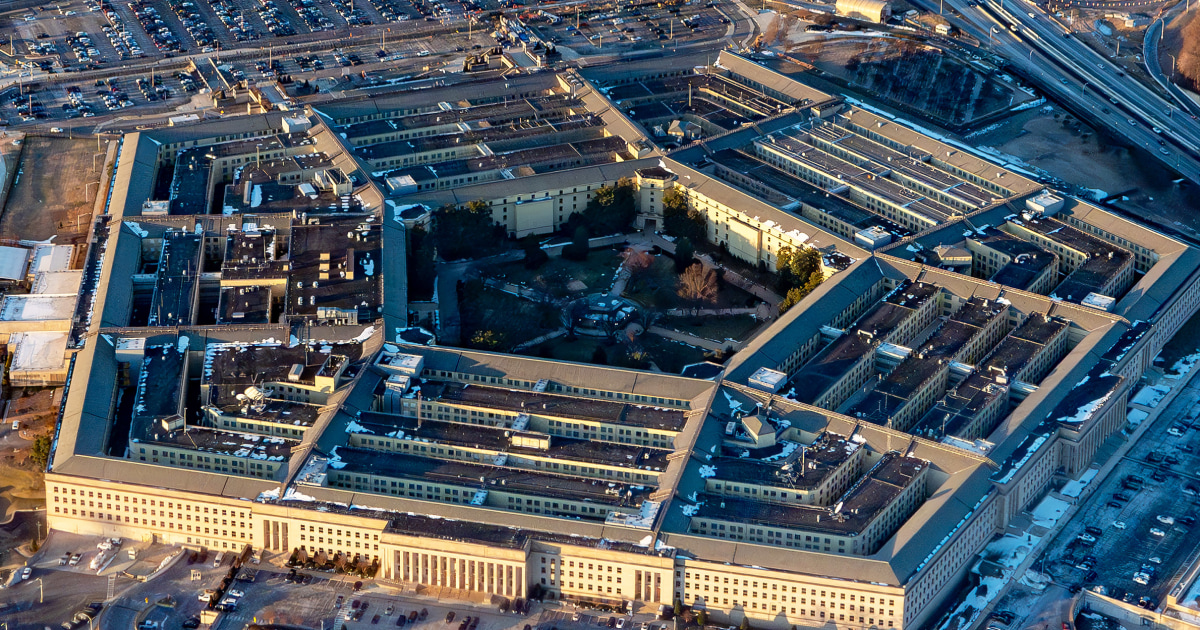
 NBC News
Pentagon shifts focus away from China in new defense strategy
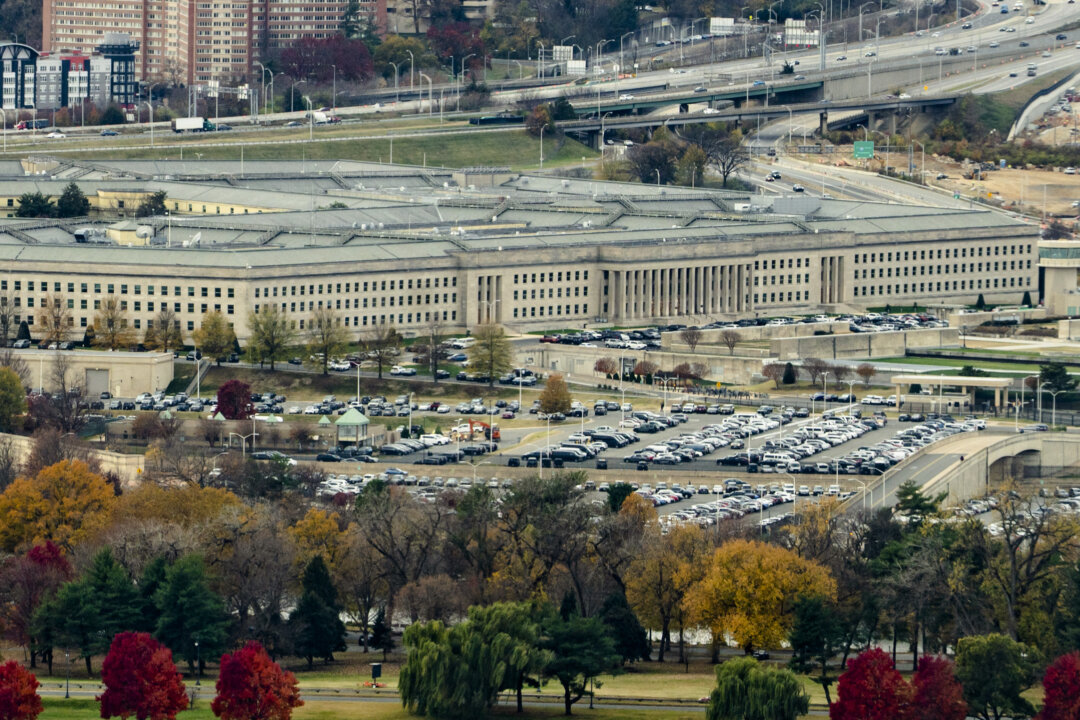
 Epoch Times
Pentagon’s Defense Strategy Puts US Interests in Western Hemisphere as Top Priority

 ABC News
Trump administration's defense strategy tells allies to handle their own security
Overview
The Pentagon released a 34-page National Defense Strategy on Jan. 23, 2026, elevating homeland and Western Hemisphere defense above China, Pentagon officials said.
The 2026 strategy departs from the 2022 National Defense Strategy by moving the People’s Republic of China from the 'pacing challenge' to a secondary priority, the document says.
Defense Secretary Pete Hegseth said in a Pentagon statement that the strategy provides 'credible options' to guarantee U.S. military and commercial access to key terrain for President Donald Trump.
The document calls on NATO allies to raise defense spending to a new standard of 5% of GDP with 3.5% of GDP invested in hard military capabilities and names the Panama Canal, the Gulf of America and Greenland as critical terrain, the strategy says.
European and NATO officials expressed concern and U.S. Asia policy experts warned the strategy's omission of Taiwan could heighten regional risks, according to statements and interviews.
Analysis
Center-leaning sources frame the strategy as a politicized, inward turn that de-emphasizes China and reasserts hemispheric influence. They foreground report language about the homeland and Monroe Doctrine, prioritize quotes praising a Trump-era shift, and structure stories to stress political contrasts while offering limited allied- or continuity-focused perspectives.