Russian Strikes Leave Kyiv Tower Blocks Without Heat
Russian strikes overnight into Jan. 24 left almost 6,000 apartment blocks in Kyiv without heating amid temperatures below -15°C, Vitali Klitschko said.
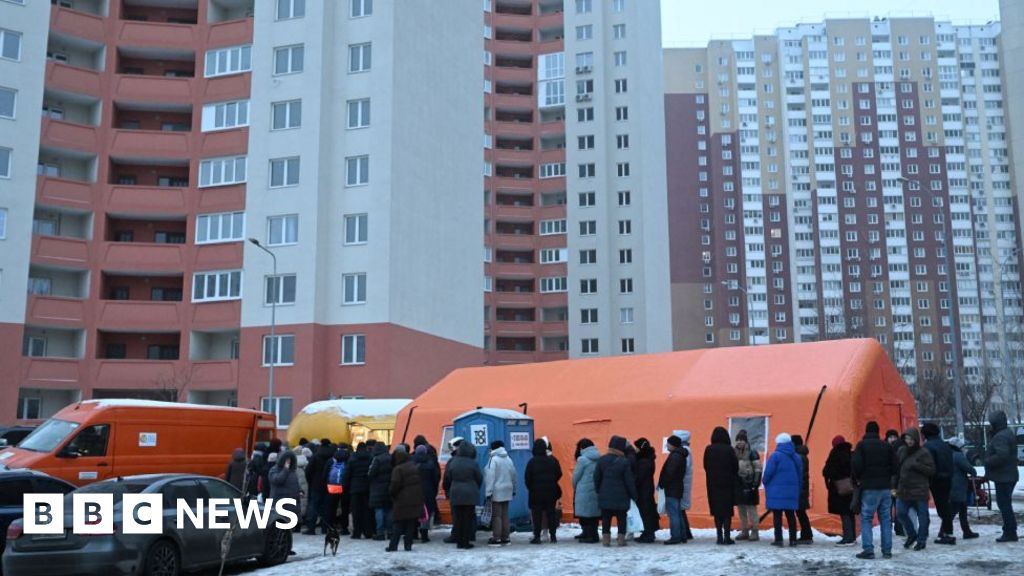
 BBC News
How Soviet urban planning is helping Russia freeze Ukraine
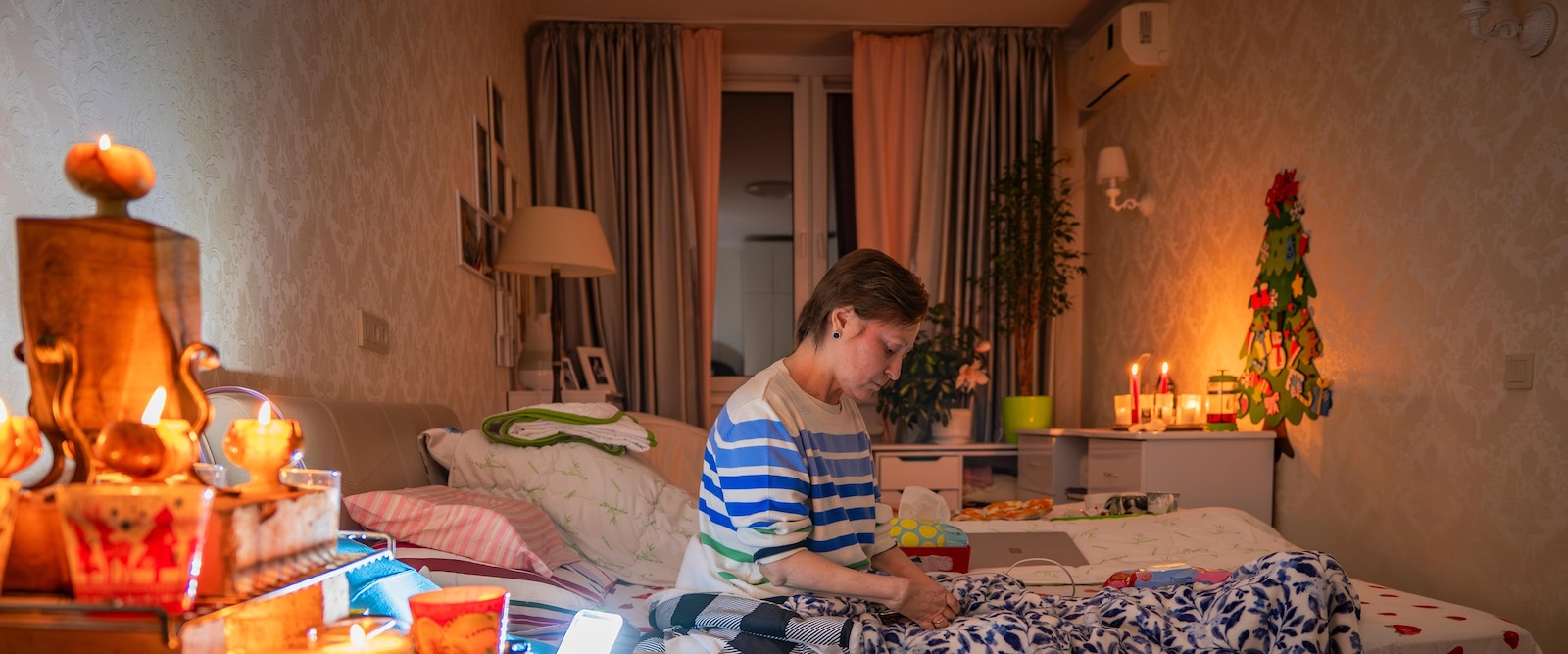
 ABC News
Freezing and in the dark, Kyiv residents are stranded in tower blocks as Russia targets power system

 CBS News
Russian strikes leave Ukrainian kids without heat and power, and parents stuck for options with schools closed
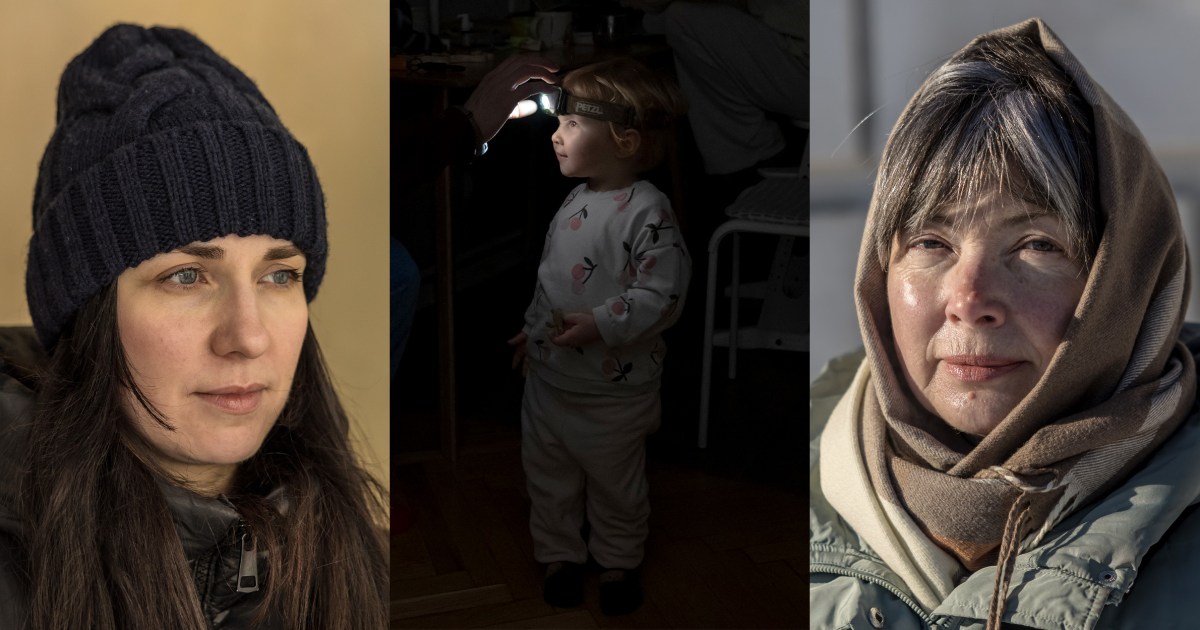
 NBC News
Kyiv is freezing in the dark as Russian strikes leave Ukraine's capital powerless
Overview
Russian strikes overnight into Jan. 24 left almost 6,000 apartment blocks in Kyiv without heating, Vitali Klitschko, mayor of Kyiv, said.
The attacks hit centralized heating plants and transmission lines, forcing rolling blackouts and making elevators, water and hot showers intermittent for residents as temperatures plunged below -15°C, officials said.
The situation is marked by conflicting accounts: Russian officials deny intentionally targeting civilians, while Volker Türk, U.N. high commissioner for human rights, called the strikes "appalling" and a breach of the rules of warfare.
Ukraine's energy sector has suffered more than $20 billion in direct war damage, according to a joint estimate by the World Bank, the European Commission and the United Nations.
President Volodymyr Zelenskyy said Ukrainian and Russian teams will hold a first trilateral meeting with U.S. officials in the coming days as Kyiv seeks repairs and schools remain closed through February, Vitali Klitschko said.
Analysis
Center-leaning sources frame the story as a humanitarian account of Russian strikes’ effects on Kyiv residents, using vivid sensory details and vulnerable civilian voices, prioritizing human hardship and resilience while citing international damage estimates. They emphasize victimhood and infrastructure loss and omit Russian rationale or broader strategic context, narrowing the narrative.