Minnesota Judge Summons Acting ICE Director to Show Cause for Contempt
Chief Judge Patrick J. Schiltz ordered Acting ICE Director Todd Lyons to appear Friday to explain alleged violations of a Jan. 14 bond-hearing order for a detainee, court documents show.
 The Blaze
Activist judge orders ICE boss Todd Lyons: Either release alien or appear in court

 Al Jazeera
Minnesota judge orders ICE chief to appear in court
 Daily Beast
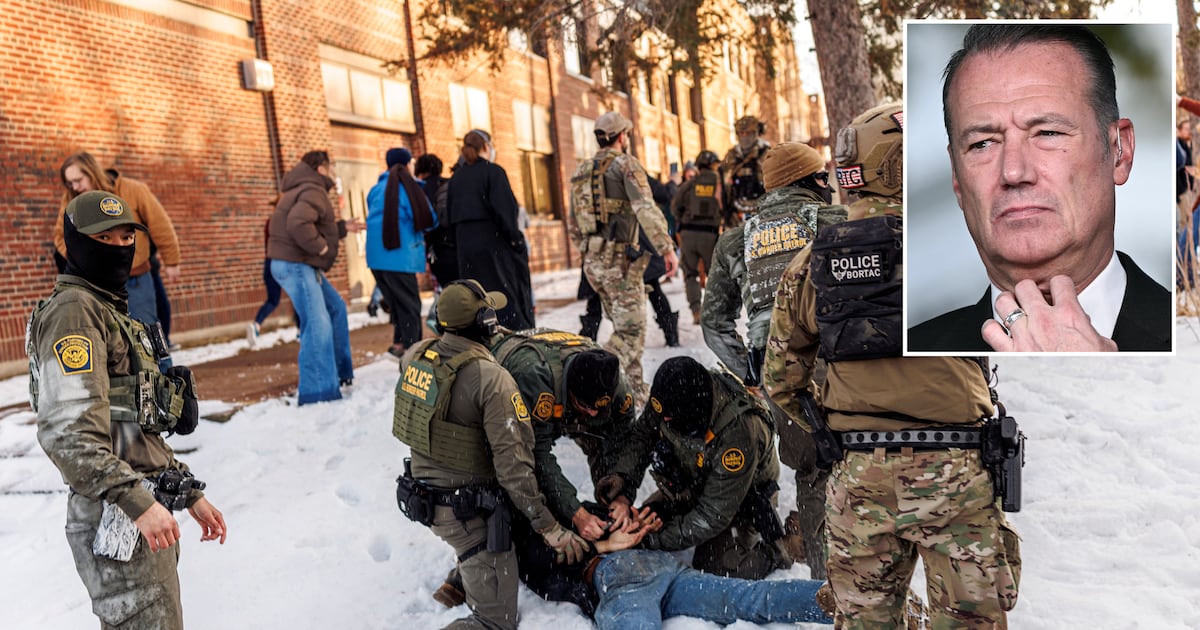
Judge Slaps ICE Boss With ‘Extraordinary’ Court Order: ‘Patience Is at an End’
 FOX News
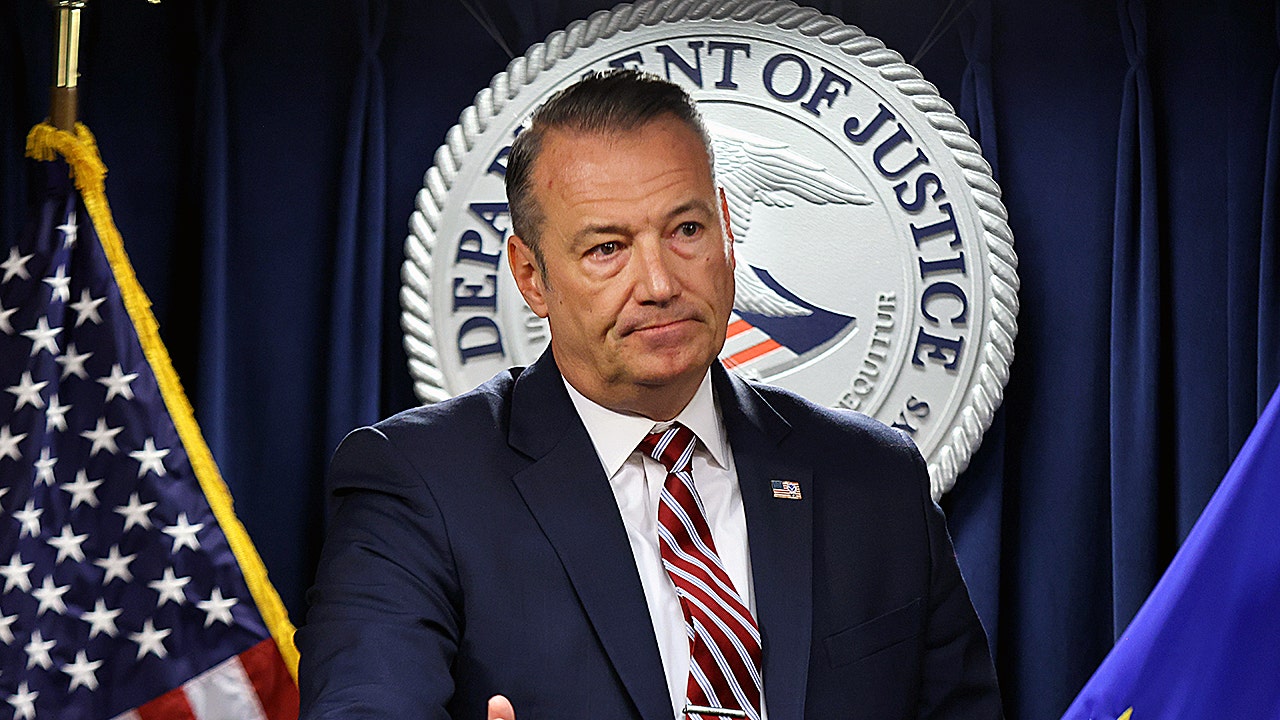
Judge threatens contempt for ICE leader, orders him to appear in court
Overview
Chief U.S. District Judge Patrick J. Schiltz ordered Acting U.S. Immigration and Customs Enforcement Director Todd Lyons to appear in person at 1:00 p.m. on Friday to show cause why he should not be held in contempt for failing to comply with the court's Jan. 14, 2026, order, according to court documents.
The order stems from Schiltz's Jan. 14, 2026, ruling that a petitioner identified as Juan T.R. must be provided a bond hearing within seven days or be immediately released, and court filings show Juan's lawyers informed the court on Jan. 23, 2026, that he remained detained.
Schiltz wrote that the administration dispatched thousands of agents to Minnesota for Operation Metro Surge without making provision for hundreds of habeas petitions and related lawsuits, causing what he described as "significant hardship" to detained immigrants, the order states.
Department of Homeland Security Assistant Secretary Tricia McLaughlin disputed the judge's action in a televised statement and defended ICE's removals, while Juan T.R.'s attorney Graham Blair Ojala-Barbour told the court on Jan. 23, 2026, that his client remained in custody, court records show.
Schiltz said he would cancel Lyons's appearance if Juan T.R. is released before the scheduled hearing, and the court is separately considering a request by Minnesota officials to halt Operation Metro Surge, according to the order.
Analysis
Center-leaning sources frame the coverage as a legal rebuke of federal immigration enforcement by foregrounding judicial criticism and court orders while giving minimal space to administration rebuttals. They prioritize the judge’s evaluative language, cite operational backlogs and community hardship, and structure pieces to lead with the court’s action, creating a narrative of enforcement overreach.