North Korea Launches Suspected Ballistic Missiles Toward the Sea
Japan and South Korea say the launches on Jan. 27 sent projectiles about 350 km into the Sea of Japan ahead of a planned Workers' Party congress.
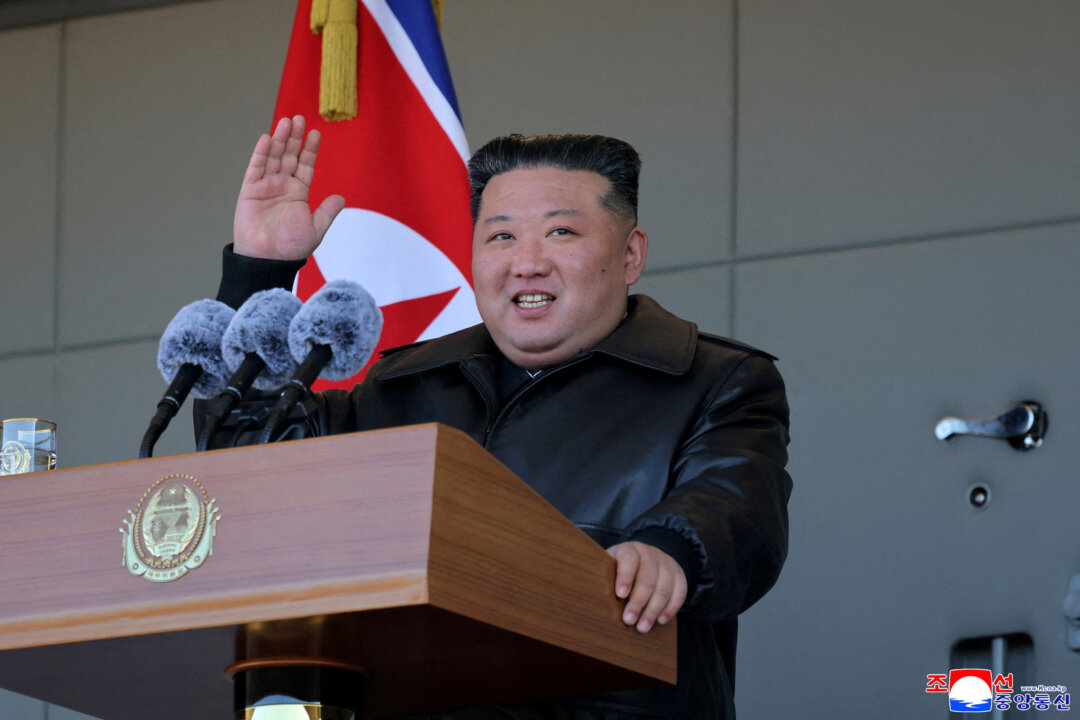
 Epoch Times
North Korea Launches Suspected Ballistic Missiles Toward the Sea

 Al Jazeera
North Korea fires suspected ballistic missiles into sea, S Korea, Japan say
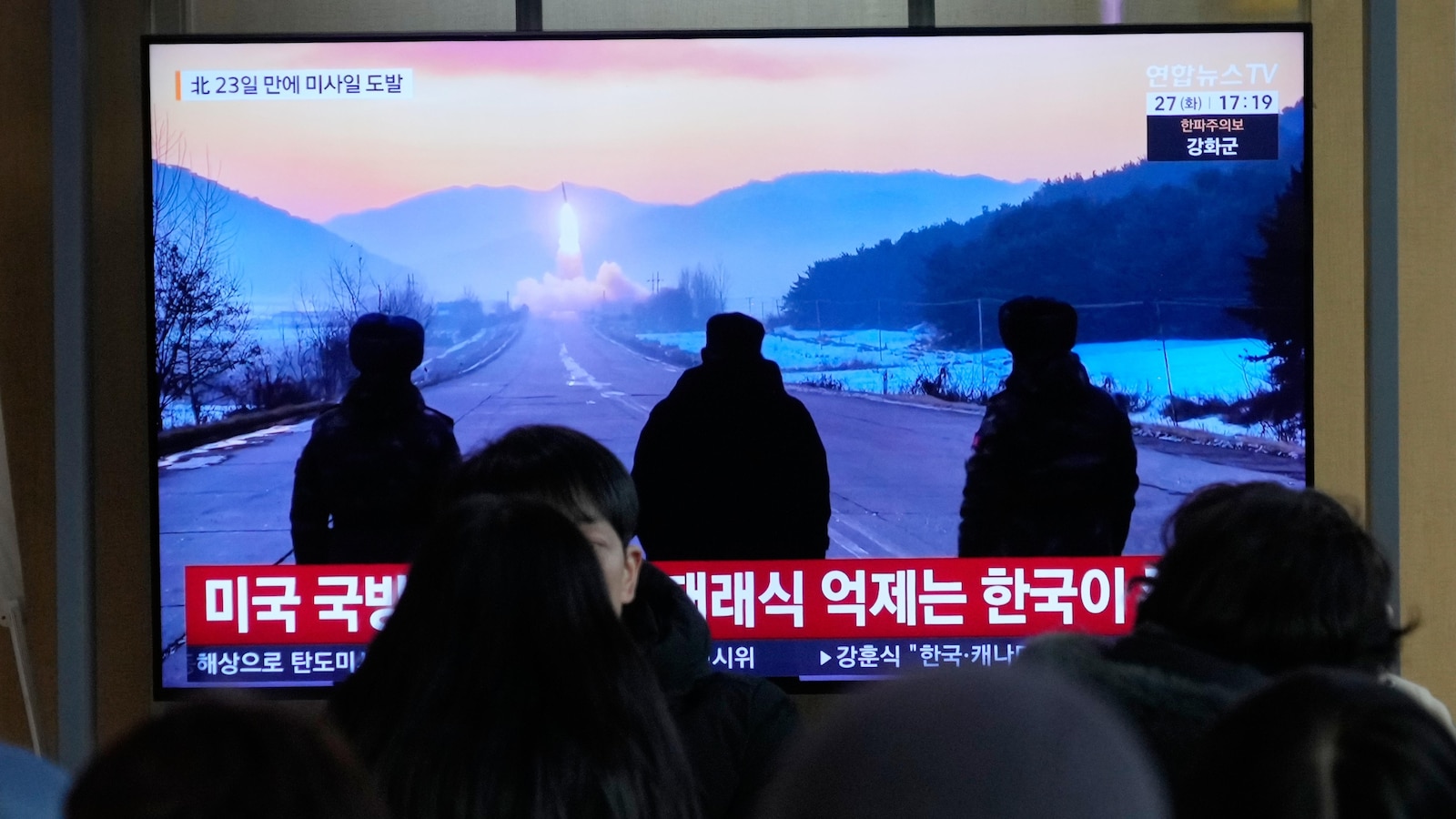
 ABC News
North Korea launches suspected ballistic missiles toward the sea, neighbors say
 Newsmax
North Korea Fires Missiles Into Sea Amid Talks of Limiting US Military Role
Overview
Japan's Prime Minister's Office and Ministry of Defense said Pyongyang fired two suspected ballistic missiles on Jan. 27 that reached a maximum altitude of about 80 km and splashed down in the sea, officials said.
South Korea's Joint Chiefs of Staff said at least one projectile was launched from near Pyongyang at around 3:50 p.m. local time on Jan. 27 and flew roughly 350 kilometers toward the east coast, according to military officials.
South Korea's Office of National Security condemned the launches as violations of U.N. Security Council resolutions and called on Pyongyang to immediately halt ballistic missile tests, officials said.
The launches follow a Jan. 4 hypersonic missile test Pyongyang said hit a target 1,000 km away and come as analysts and officials say the tests appear timed ahead of the Workers' Party congress expected in February, analysts said.
The U.S. Defense Department's No. 3 official, Elbridge Colby, visited Seoul on Jan. 26 to discuss alliance modernization as the launches occurred amid talks about changing U.S. military roles, Pentagon officials said.
Analysis
Center-leaning sources frame North Korea as an aggressive, destabilizing actor by emphasizing missile launches, officials' condemnations and analysts’ interpretations linking tests to propaganda ahead of the party congress. Language like “provocations” and “threat to peace,” prioritized government statements from Japan and South Korea, and sparse North Korean context collectively steer readers toward seeing Pyongyang as the culprit.