Budapest Prosecutors Charge Mayor Gergely Karácsony Over Banned Pride
Prosecutors seek a fine in summary judgment over Karácsony’s role in the June 28 Pride march that organizers said drew about 300,000 people.


Overview
The Budapest Chief Prosecutor's Office filed charges against Budapest Mayor Gergely Karácsony for organizing and leading the June 28 Pride march despite a police ban and recommended a fine in a summary judgment, officials confirmed.
The prosecution follows a March 2025 law and constitutional amendment that banned Pride events and authorized facial recognition to identify attendees, measures national leaders said protect children and critics say curtail LGBTQ+ rights, records show.
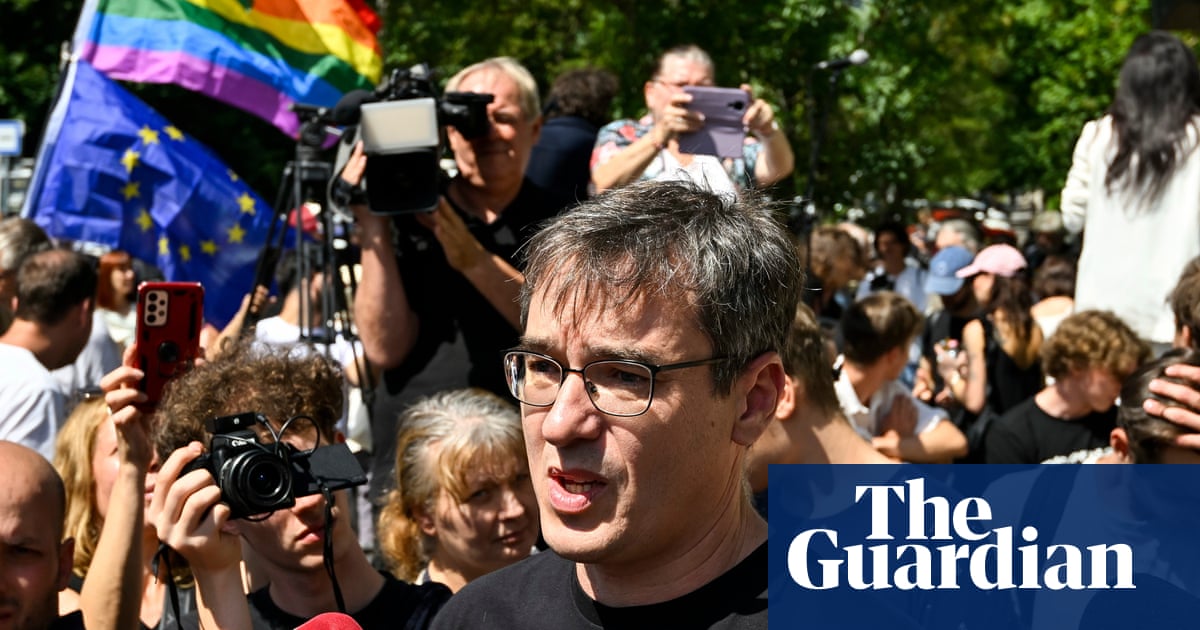
Gergely Karácsony said in a written statement that he is a "proud defendant," vowed to continue defending freedom, and did not dispute prosecutors' description that he led public calls to attend, his statement showed.
Organizers said about 300,000 people participated in the June 28 march while police earlier estimated roughly 200,000, illustrating conflicting crowd counts and broad public turnout, organizers and police said.
Prosecutors proposed imposing a fine without a trial under a summary procedure, and warned organizers could face up to one year in prison while attendees could be fined up to €500, the prosecutor's office said.
Analysis
Center-leaning sources frame the story as a rights-versus-repression conflict, using evaluative labels (e.g., “right‑wing nationalist,” “populist”) and foregrounding Karácsony’s defiant statements and the large turnout. Government rationale is reported but downplayed; emphasis on rights groups’ criticism and legal context portrays the ban as politically motivated and restrictive.