CSIS Warns Combined Russian, Ukrainian Casualties Could Reach 2 Million
CSIS says combined Russian and Ukrainian military casualties could reach 2 million by spring 2026 based on data through Dec. 2025.
 ABC News
Report warns that combined casualties in Russia's war on Ukraine could hit 2 million
 Associated Press
A new report warns that combined war casualties in Russia's war on Ukraine could soon hit 2 million
 The Guardian
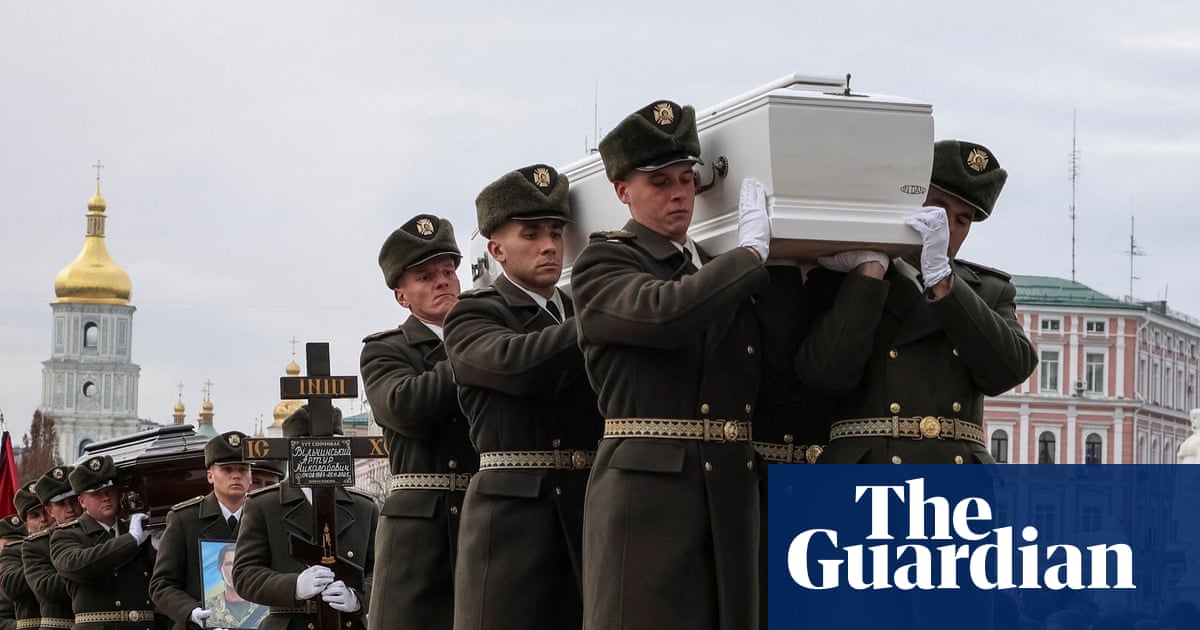
Russian and Ukrainian military casualties in war nearing 2m, study finds
 Newsmax
A New Report Warns That Combined war Casualties in Russia's war on Ukraine Could Soon Hit 2 Million
Overview
The Center for Strategic and International Studies released a report Tuesday warning combined Russian and Ukrainian military casualties could reach 2 million by spring 2026, based on data through Dec. 2025, the CSIS report said.
The CSIS report said Russia suffered about 1.2 million casualties, including as many as 325,000 troop deaths between Feb. 2022 and Dec. 2025, and estimated Ukraine suffered between 500,000 and 600,000 casualties including up to 140,000 deaths.
The Kremlin dismissed the CSIS findings as "not credible" in a statement and said only the Russian Defense Ministry may release casualty figures, while the CSIS credited data from Mediazona, the BBC Russian Service, British government estimates and interviews with officials.
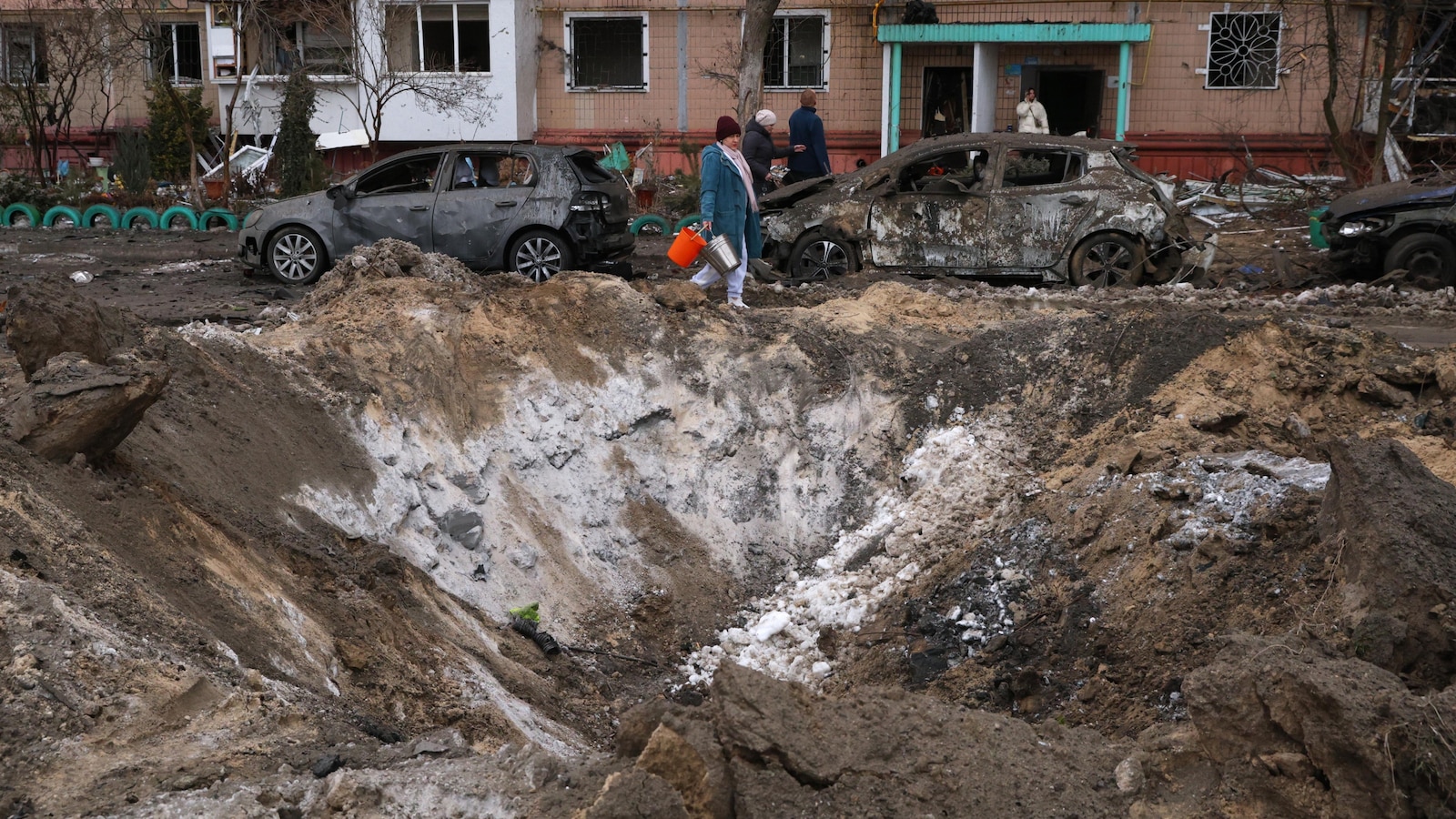
Officials said Wednesday that two people died in an overnight attack in Bilohorodka on the outskirts of Kyiv and at least nine people were wounded in strikes in Odesa, Kryvyi Rih and the Zaporizhzhia region, and Ukraine's Air Force said Russia used one ballistic missile and 146 strike drones overnight, 103 of which were shot down.
The CSIS said that at current rates combined casualties may be as high as 1.8 million and could reach 2 million by spring 2026, and that Russian forces have advanced at an average rate of between 15 and 70 meters per day since 2024, signaling a prolonged war of attrition.
Analysis
Center-leaning sources frame the story by foregrounding CSIS casualty estimates and the historical comparison that Russia’s losses are unprecedented, emphasizing Russian strategic decline through placement and selective sourcing. They prioritize Western think‑tank and independent data over scant official Russian figures; the report’s quoted language is source content, while selection and emphasis create the narrative.