Justice Department Releases Epstein Files, Deputy AG Says
The DOJ released more than 3.5 million pages, 2,000 videos and 180,000 images to comply with the Epstein Files Transparency Act.

 The Guardian
Epstein files updates: Democrats skeptical of DoJ’s claim that all Epstein files have been released
 Washington Examiner
No Epstein files were redacted for national security reasons: DOJ
 El Pais
Trump administration releases over three million documents from Epstein case file
 Daily Signal
Justice Department Releases Final Cache of Jeffrey Epstein Files
Overview
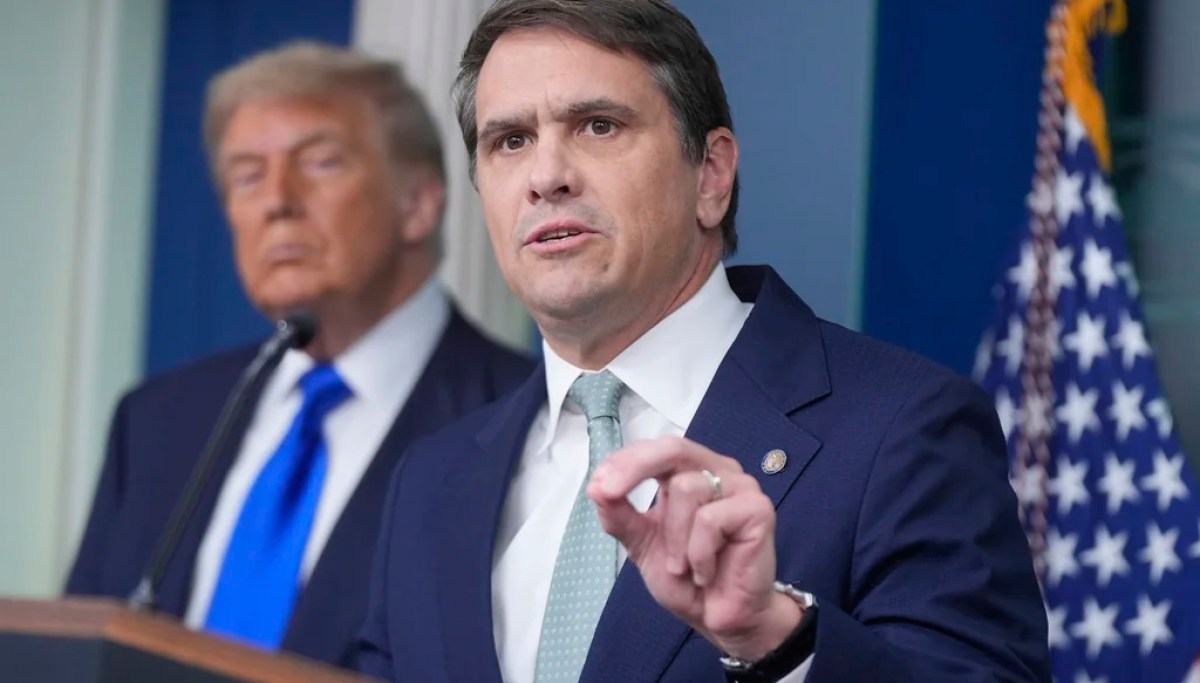
Deputy Attorney General Todd Blanche said on Jan. 30, 2026 that the Justice Department released more than 3.5 million pages, over 2,000 videos and 180,000 images tied to Jeffrey Epstein, which the department says satisfies the Epstein Files Transparency Act.
The publication follows the Nov. 19, 2024 enactment of the Epstein Files Transparency Act and comes after the department missed the statute's Dec. 19, 2024 deadline to release all unclassified responsive records, according to court documents.
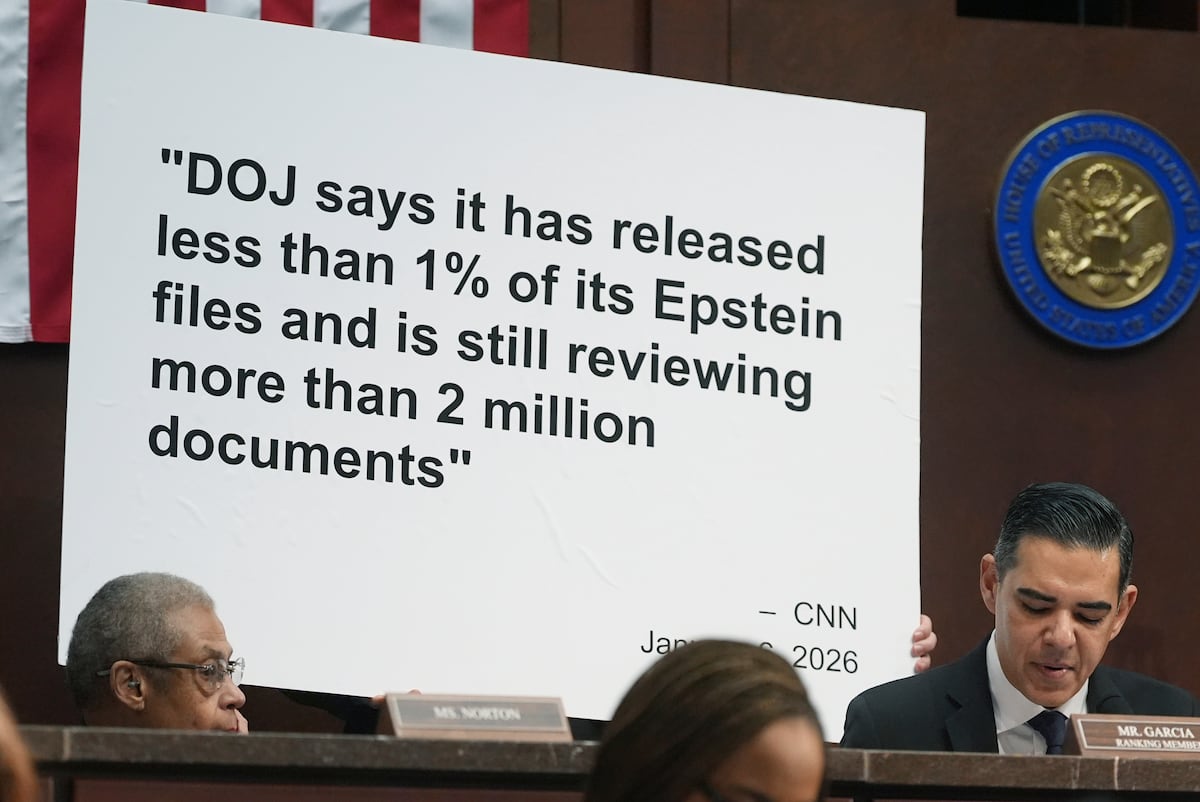
Robert Garcia, the Democratic ranking member of the House Oversight Committee, said in a Jan. 30, 2026 statement that Attorney General Pam Bondi and the DOJ are withholding roughly 50% of files and violating a committee subpoena, a characterization DOJ officials disputed at Blanche's news conference.
The department said it identified about 6 million potentially responsive pages, assigned more than 500 lawyers to review material, discarded duplicates and withheld roughly 200,000 pages for legal privileges and to protect victims, according to a letter to Congress.
The Justice Department said it will publish written justifications for redactions in the Federal Register and deliver a final report to Congress, while lawmakers including Rep. Ro Khanna have threatened legal action and will be given confidential access to unredacted material, congressional statements say.
Analysis
Center-leaning sources frame the release as a mishandled, overdue disclosure that risks victim harm, emphasizing DOJ failures and political theater. They foreground victims' attorneys' alarm over unredacted names and Trump's unfulfilled declassification promises, contrast DOJ denials, and select suggestive images and deadline misses to prioritize accountability over exculpatory context.