NTSB Blames FAA Failures For Deadly D.C. Midair Collision
NTSB says systemic FAA, U.S. Army and air-traffic control failures aligned to cause the Jan. 29, 2025 collision that killed 67 people.
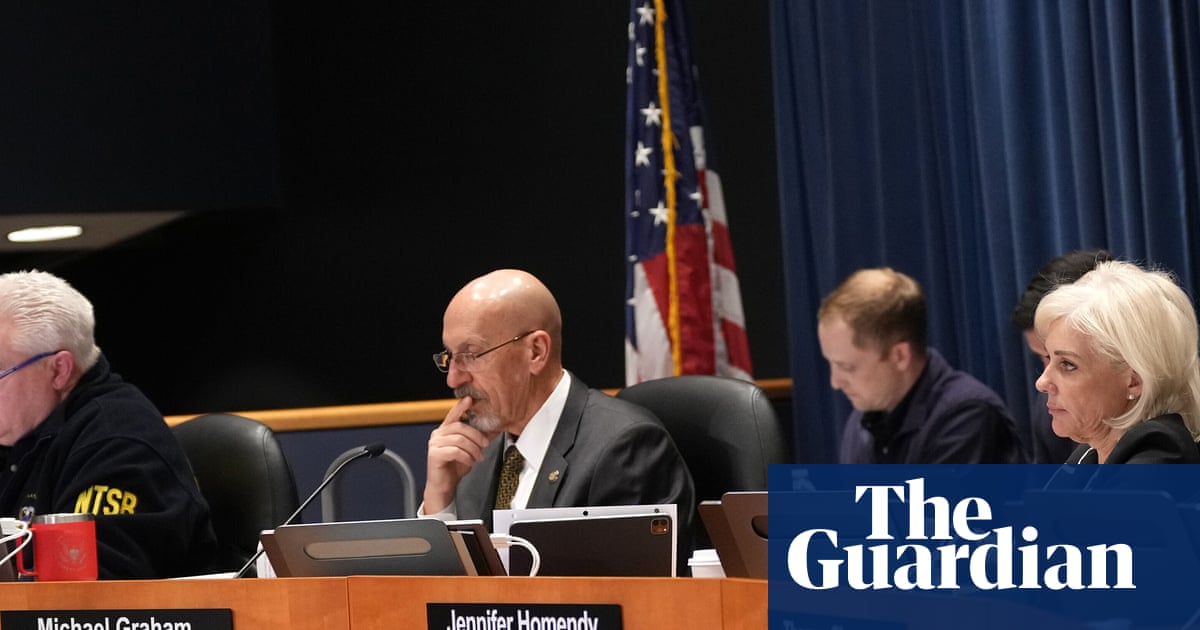
 The Guardian
Investigators say deadly midair collision near Washington DC followed years of ignored traffic warnings

 Gizmodo
FAA Could Have Prevented Fatal D.C. Plane Collision, Investigation Finds
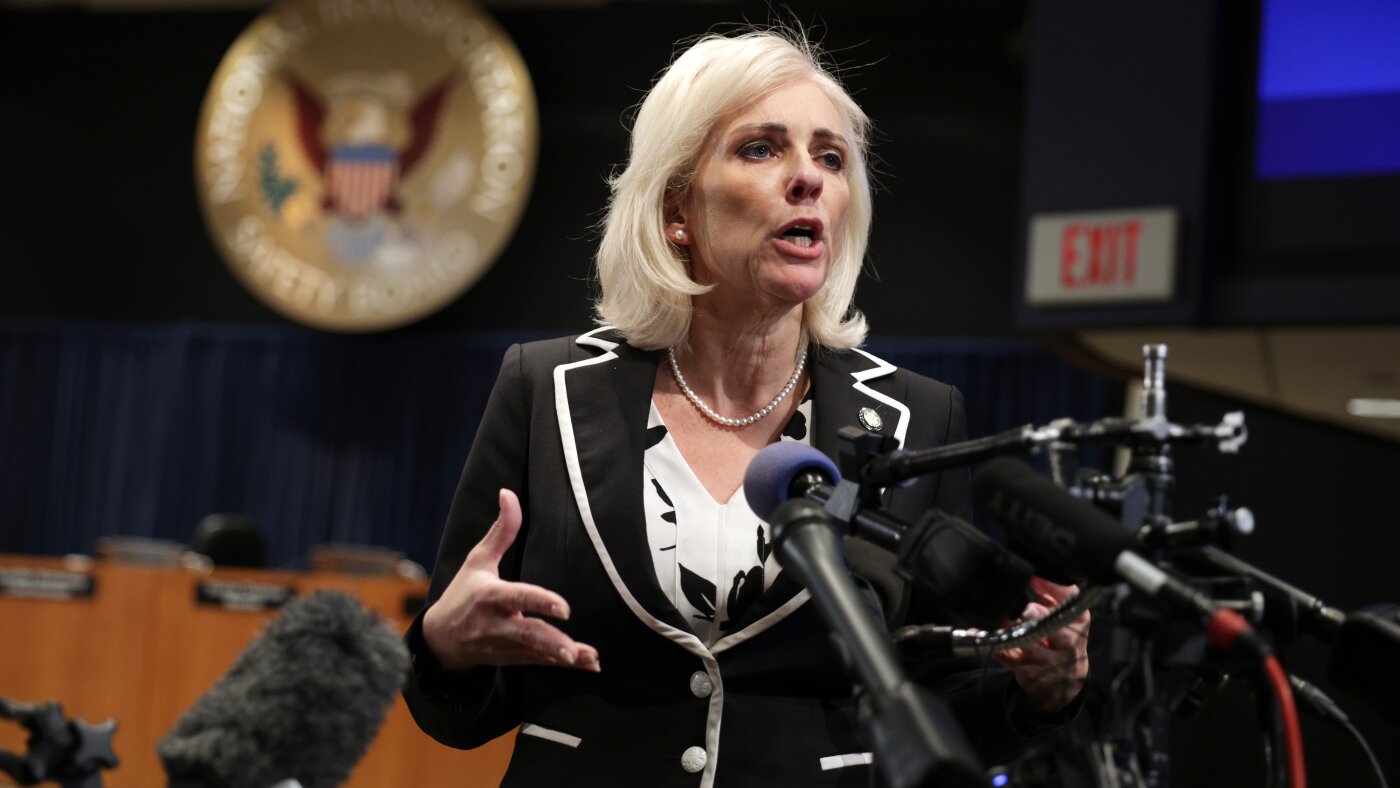
 NPR
NPRNTSB blames 'deep' systemic failures for deadly midair collision near Washington D.C.
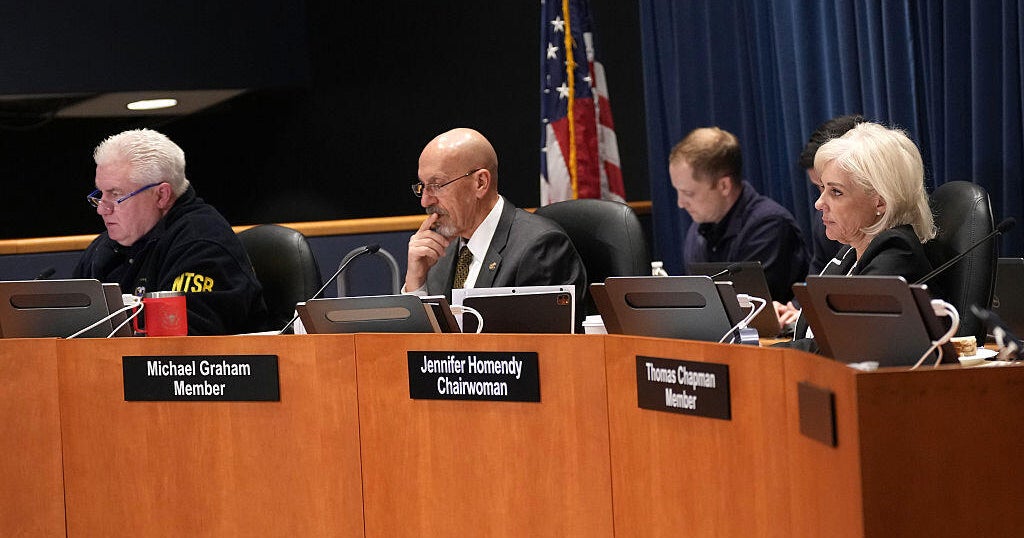
 CBS News
NTSB finds a series of "systemic failures" led to D.C. midair crash: "This was 100% preventable"
Overview
National Transportation Safety Board Chair Jennifer Homendy said the board found "deep, underlying systemic failures" that aligned to cause the Jan. 29, 2025 collision near Ronald Reagan Washington National Airport that killed 67 people.
The NTSB found that a helicopter route overlapped the approach to Runway 33, air traffic controllers relied on visual separation, and chaotic tower communications and equipment issues contributed to the accident, investigators said.
In a statement, the Federal Aviation Administration said it "values and appreciates the NTSB's expertise," noted it implemented urgent recommendations in March 2025 and said it reduced hourly arrivals at Reagan from 36 to 30, agency officials said.
The board voted to approve nearly 50 new safety recommendations and investigators said they logged 15,214 close-proximity events, 85 of which were classified as serious, according to NTSB officials.
The NTSB recommended requiring ADS-B in where ADS-B out is mandated and Chair Jennifer Homendy said Congress, the U.S. Army and the FAA face hearings and potential legislation after the board's final report, expected in a few weeks.
Analysis
Center-leaning sources frame the story as evidence of systemic failure at the FAA and Army, emphasizing NTSB findings and alarming language while largely amplifying regulators' critiques. They foreground stark statistics and quotes like "100% preventable", highlight omissions in safety culture, and offer no FAA/Army responses, steering readers toward institutional blame.