Rubio Defends U.S. Venezuela Operation In Heated Senate Hearing
At a Jan. 28 Senate Foreign Relations hearing, Secretary of State Marco Rubio said the Jan. 3 raid that captured Nicolás Maduro was a law-enforcement action and outlined controls on oil revenue.
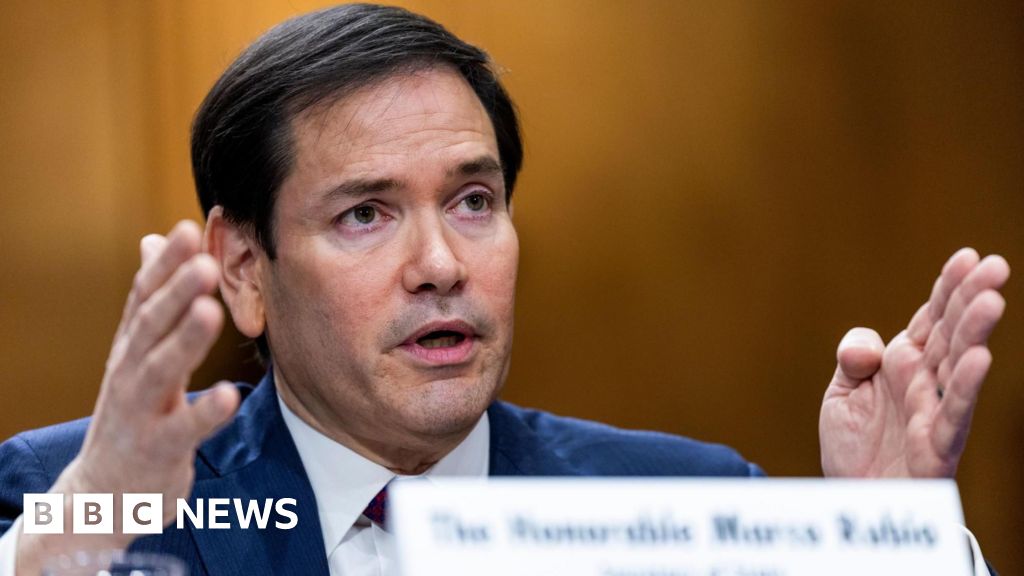
 BBC News
operate with US, Rubio says in heated testimony
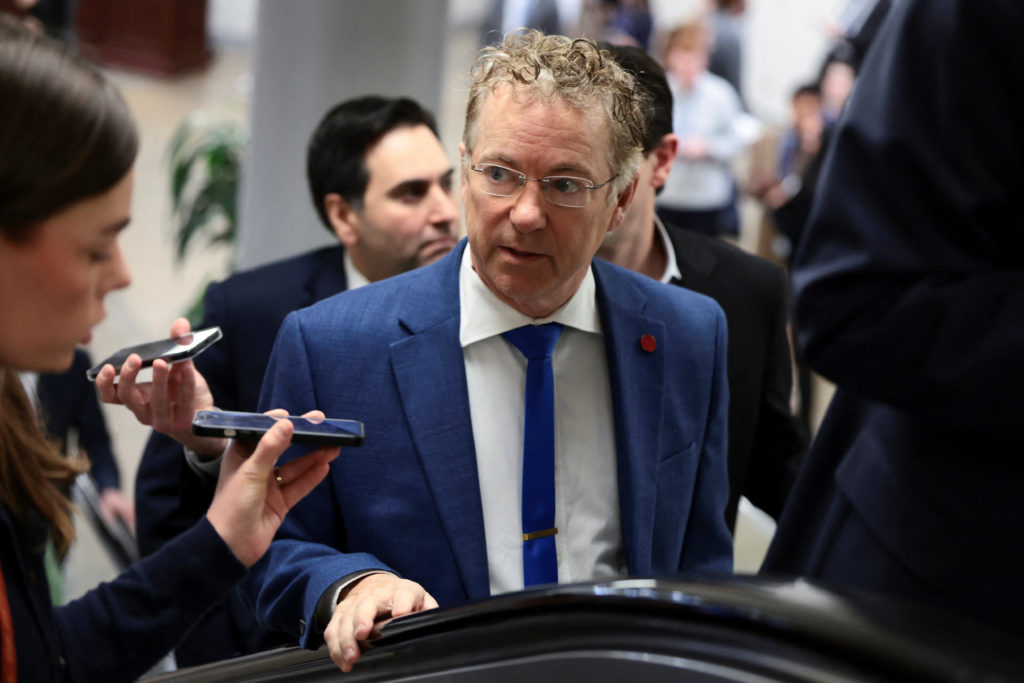
 PBS NewsHour
WATCH: Sen. Paul presses Rubio on why Maduro ouster isn’t an act of war
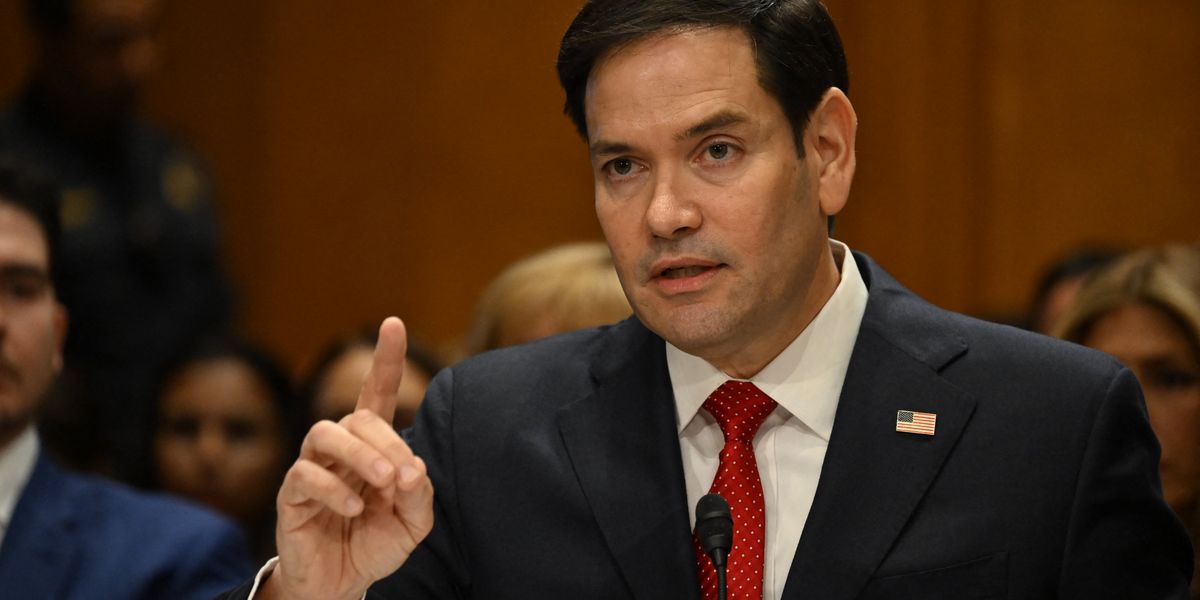
 The Blaze
Rubio defends Maduro takedown, says diplomacy failed and time had run out

 Daily Caller
Marco Rubio, Rand Paul Joust Over Trump's Maduro Operation
Overview
Secretary of State Marco Rubio told the Senate Foreign Relations Committee on Jan. 28 that a Jan. 3 U.S. operation captured Venezuelan President Nicolás Maduro and Cilia Flores and transported them to New York, where they pleaded not guilty on Jan. 5, according to his prepared remarks and court records.
Rubio repeatedly characterized the Jan. 3 action as a law-enforcement operation aimed at disrupting the Cartel de los Soles, a characterization that U.N. experts and legal scholars have called a violation of international law, according to public statements and testimony.
Democratic senators including Tim Kaine, Jeanne Shaheen and Cory Booker pressed Rubio on Jan. 28 about the operation’s legality, cost and political consequences, while Sen. Rand Paul challenged whether it amounted to an act of war, according to the hearing record.
Idaho Sen. Jim Risch told the committee that the Caracas operation involved about 200 troops and a firefight that lasted less than 27 minutes, and officials said U.S. naval and Coast Guard strikes since Sept. 2, 2025 have numbered about three dozen and killed at least 126 people, according to officials.
The State Department notified Congress this week that it intends to send additional diplomatic and support personnel to Caracas to prepare for a possible reopening of the U.S. Embassy, and Rubio said oil revenues would be deposited in a U.S. Treasury-controlled account with roughly $500 million currently held in Qatar, according to officials.
Analysis
Center-leaning sources foreground Rubio’s defense but frame U.S. actions skeptically by emphasizing legal doubts, civilian casualties, and the optics of oil sales. They use vivid details (Maduro grabbed in pajamas; funds in a Qatari account) and prioritize critical senators’ questions, shaping a narrative that questions legality, transparency and potential profiteering.