House Republicans Led by Bryan Steil Unveil MEGA Act to Tighten Voting Rules
The Make Elections Great Again Act would require photo ID and documentary proof of citizenship and ban universal mail-in ballots for federal elections.

 Joe.My.God.
House Gets Sweeping "Citizenship Proof To Vote" Bill
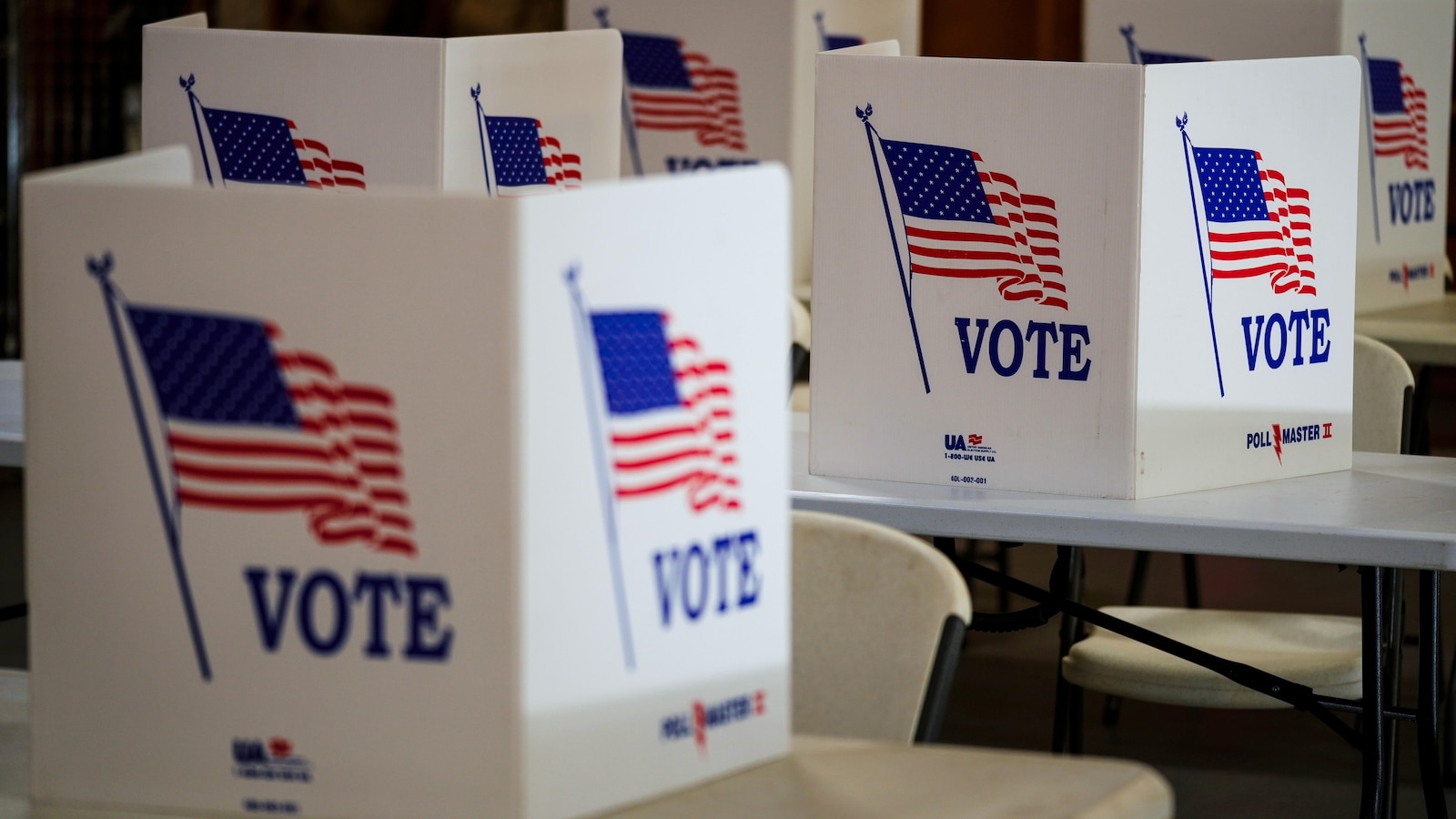
 ABC News
House Republicans propose stricter voting requirements as Trump administration eyes the midterms
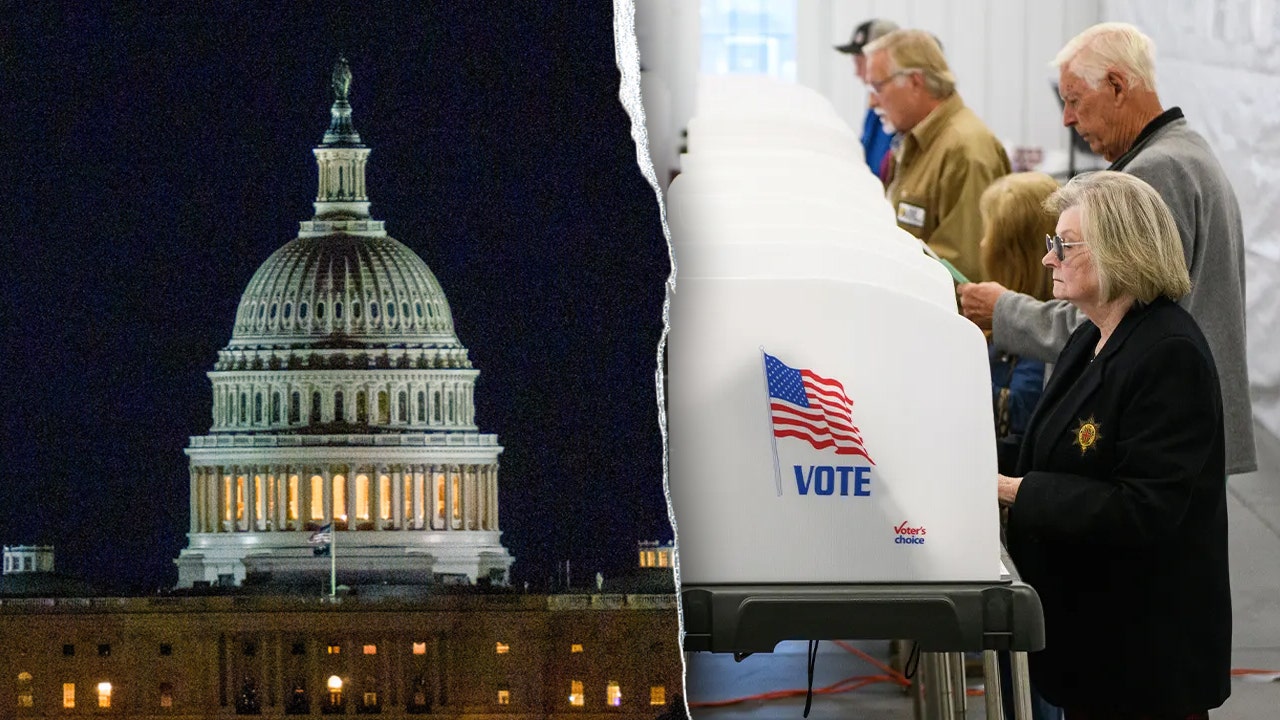
 FOX News
House Republicans push election overhaul with voter ID, mail-in ballot changes ahead of midterms
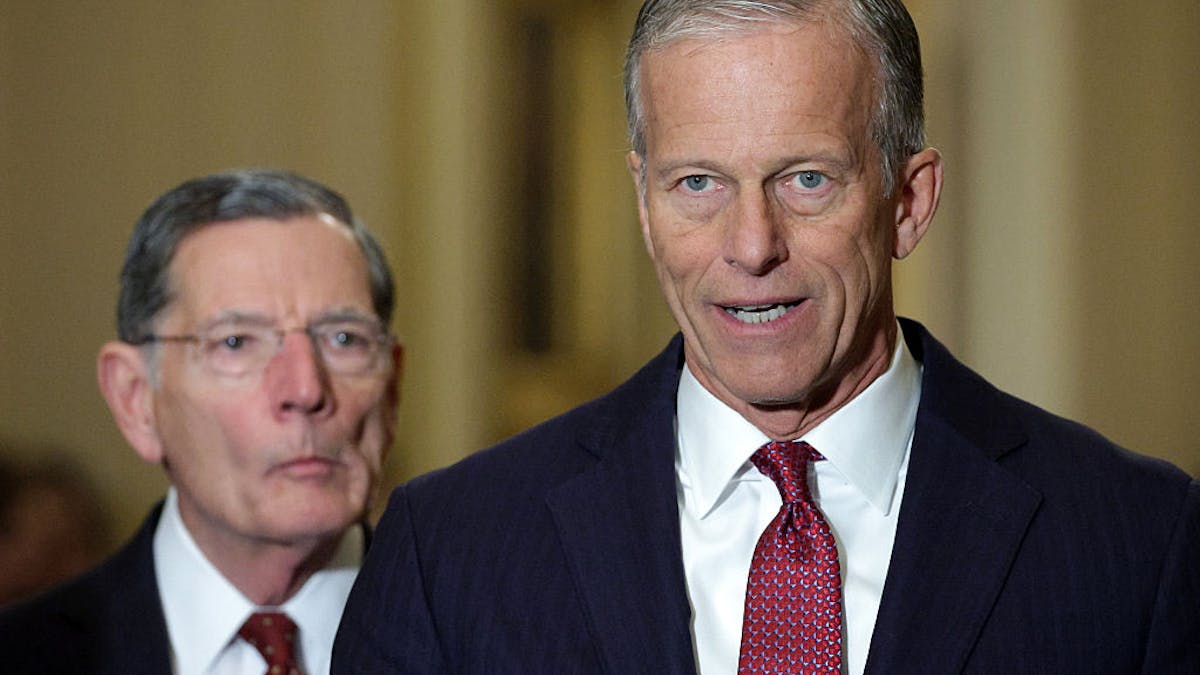
 The Daily Wire
Republicans Move To Mandate Photo ID In Federal Elections
 Newsmax
House GOP Pushes Voter ID, Citizenship Verification Bill
Overview
The House Administration Committee unveiled the Make Elections Great Again Act, led by Rep. Bryan Steil, proposing mandatory photo ID, documentary proof of citizenship and a ban on universal mail-in ballots for federal elections.
The proposal aims to set national rules ahead of the Nov. 2026 midterm elections and follows President Donald Trump's continued claims that the 2020 election was rigged, marking conflicting accounts about election integrity.
Democrats and voting rights groups said the bill would disenfranchise voters, citing a 2023 Brennan Center estimate that 21.3 million citizens lack proof of citizenship, while Rep. Bryan Steil said it "will improve voter confidence."
Thirty-six states currently require some form of voter identification, and sponsors said the MEGA Act would standardize photo ID and require auditable paper ballots nationwide, lawmakers said.
The bill faces a difficult path in the narrowly divided Senate and could be amended as Senate Majority Leader John Thune said senators are considering adding a national photo ID requirement, Senate aides said.
Analysis
Center-leaning sources frame the Republican bill as restrictive and potentially disenfranchising by foregrounding critics’ warnings (voting-rights groups, Brennan Center statistics), using skeptical descriptors like 'long-shot', and contextualizing it with Trump’s false 2020 claims; GOP statements are included but positioned as counterpoints rather than dominant narrative.