Judge Denies Minnesota Bid To Halt Operation Metro Surge
Judge allows ICE's Operation Metro Surge to continue while a constitutional challenge proceeds, citing Eighth Circuit precedent and noting 'profound and even heart breaking' harms.

 NBC News
Judge allows ICE's Operation Metro Surge to continue in Minnesota
 FOX News
Federal judge rejects Minnesota request to block ICE-led Operation Metro Surge
 Newsmax
Judge Declines to Halt Trump's Minnesota Immigration Agent Surge
NewsmaxJudge Declines to Halt Trump's Minnesota Immigration Agent Surge
Overview
U.S. District Judge Katherine Menendez on Saturday denied Minnesota's request for a temporary restraining order and refused to immediately halt Operation Metro Surge, allowing the ICE-led enforcement action to continue while the lawsuit proceeds, according to her written order.
Menendez wrote that the plaintiffs 'have not met their burden' for the 'extraordinary remedy' of a preliminary injunction and said the Eighth Circuit's recent rulings counseled against barring federal enforcement, court documents show.
Minnesota Attorney General Keith Ellison and Minneapolis Mayor Jacob Frey said they were disappointed and renewed claims of fear and disruption in the Twin Cities, while the Department of Homeland Security said Operation Metro Surge has targeted 'criminal illegal aliens,' officials said.
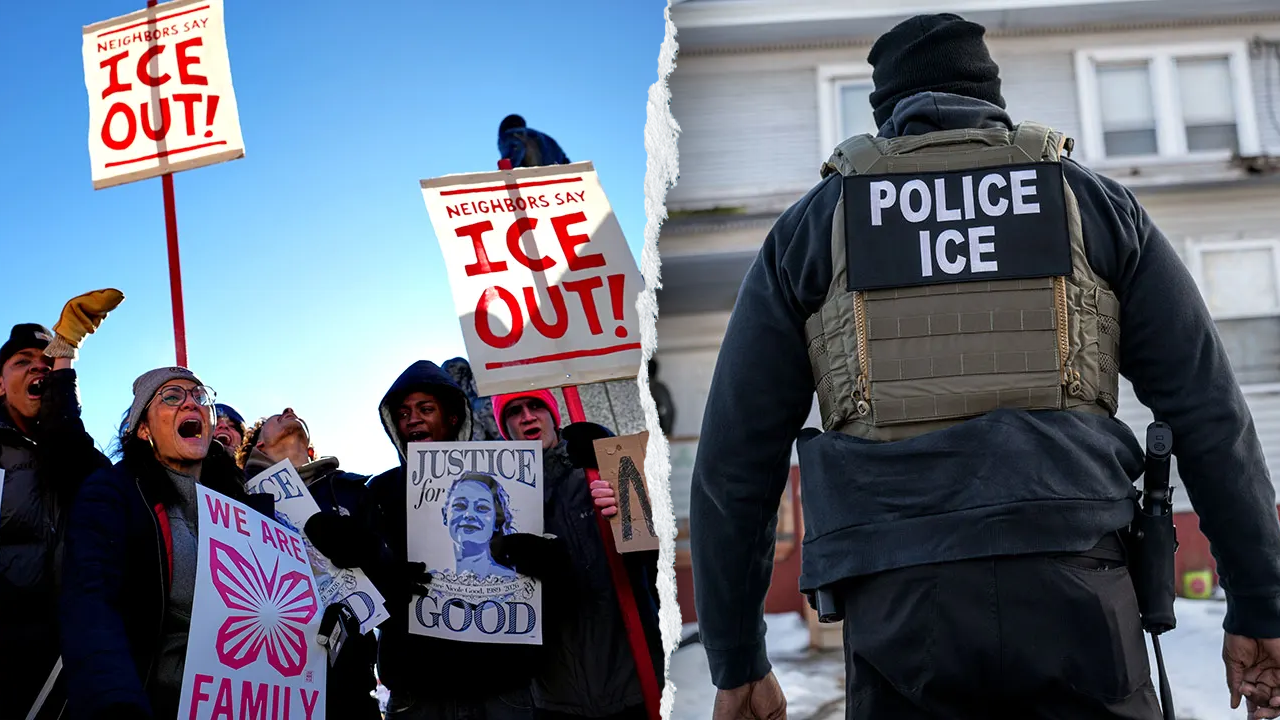
The administration deployed about 3,000 federal immigration agents to Minnesota starting in December 2025 and, according to DHS filings, has made roughly 3,000 arrests amid daily protests after the Jan. 7 killing of Renée Good and the Jan. 24 killing of Alex Pretti.
Menendez acknowledged evidence of harms including alleged racial profiling and business disruptions but left open the possibility of future relief, warning continued noncompliance could prompt contempt proceedings or other sanctions, according to her order.
Analysis
Center-leaning sources frame coverage as a rule-of-law crisis by foregrounding judicial condemnations and human‑impact claims while downplaying official defenses. Through loaded headlines ("violated nearly 100 court orders"), persistent emphasis on ICE noncompliance, selective quoting of judges and advocates, and ordering community harms before government responses, they create a critical narrative of enforcement overreach.