ICE Ends Maine Surge as Border Czar Vows Continued Minnesota Operation
ICE ends its enhanced Maine enforcement after more than 200 arrests, while Tom Homan vows to keep a larger operation active in Minnesota.
 Salon
SalonICE surge in Maine scrapped as border czar Homan calls for "improvements" across the US
 The Guardian
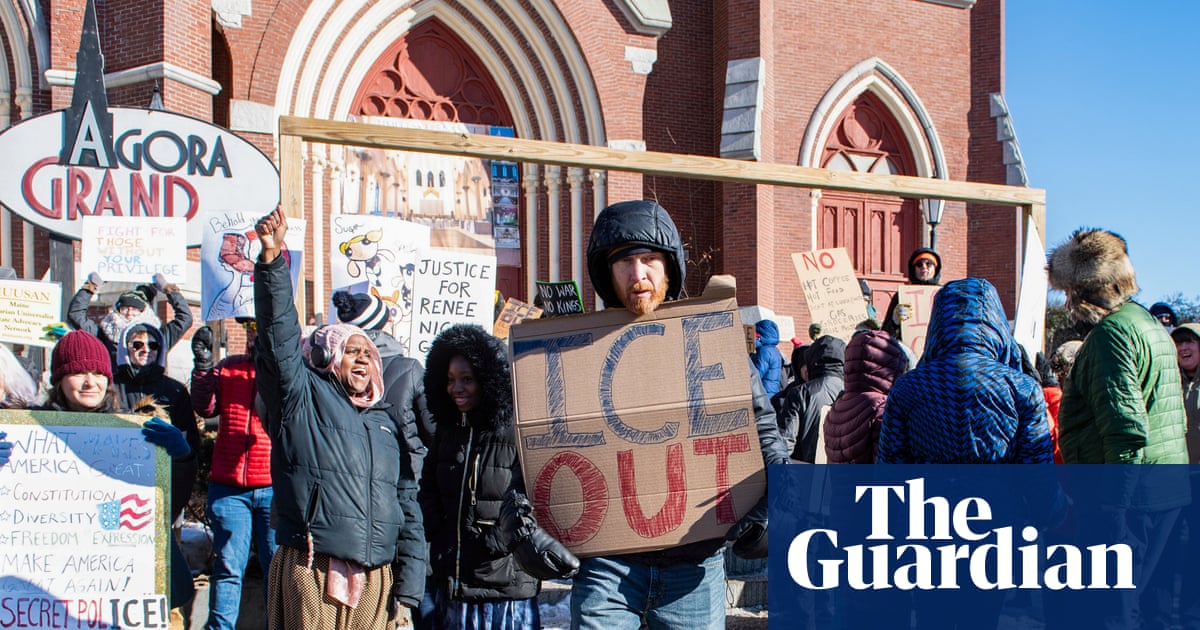
ICE ends surge in Maine as border czar pledges to keep operation in Minnesota

 Joe.My.God.
Collins: ICE Has Ended "Enhanced Operations" In Maine
 ABC News
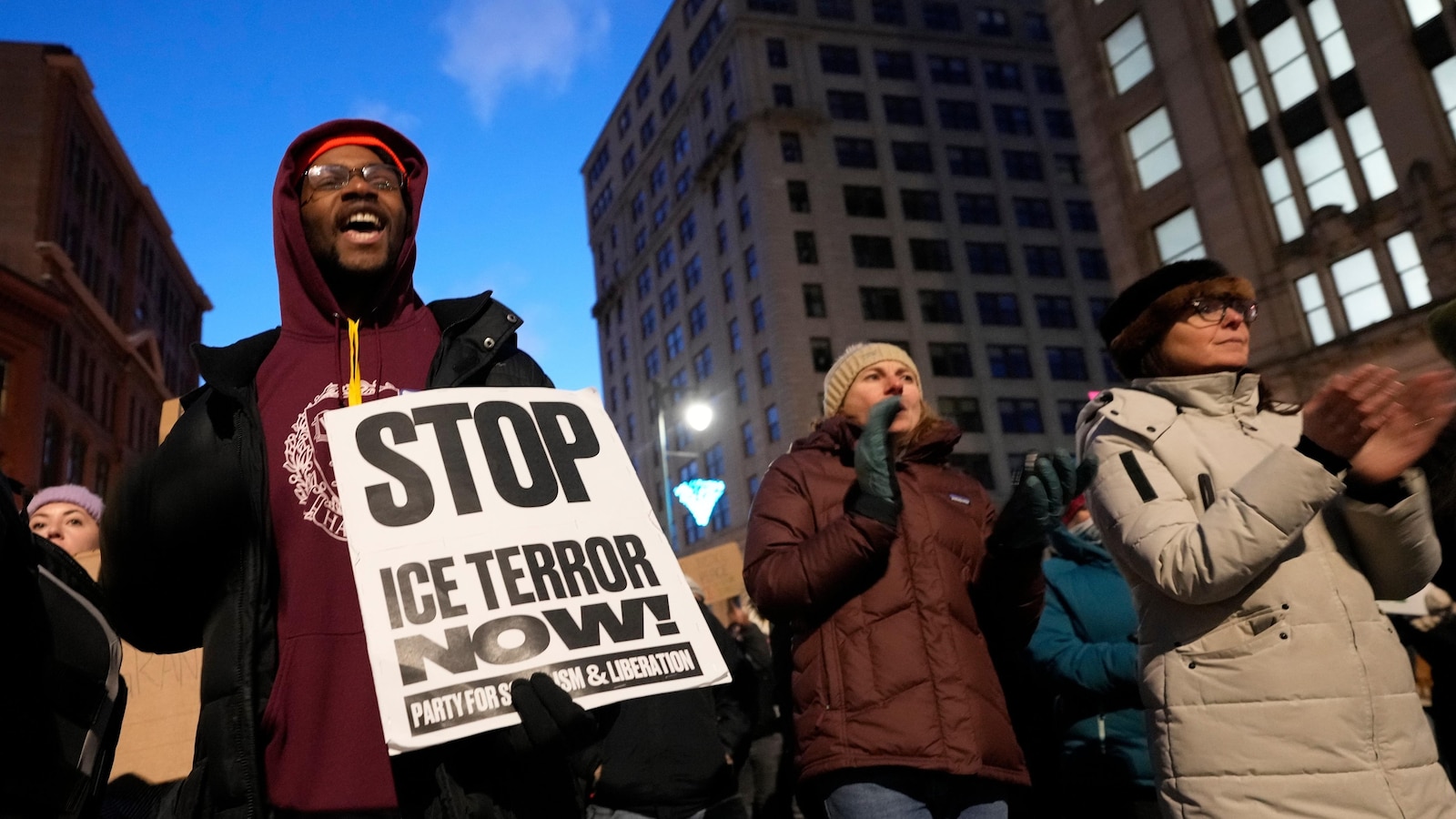
Sen. Collins announces end to ICE large-scale operations in Maine after Noem talks
Overview
Sen. Susan Collins, R-Maine, said U.S. Immigration and Customs Enforcement has ended its "enhanced operations" in Maine after a call with Homeland Security Secretary Kristi Noem, and that there are "no ongoing or planned large-scale ICE operations here," officials confirmed.
The drawdown follows "Operation Catch of the Day," which began the week of Jan. 20 and led to more than 200 arrests in Portland and Lewiston, prompting legal aid requests and concerns from family members and attorneys, according to attorneys and Collins' statement.
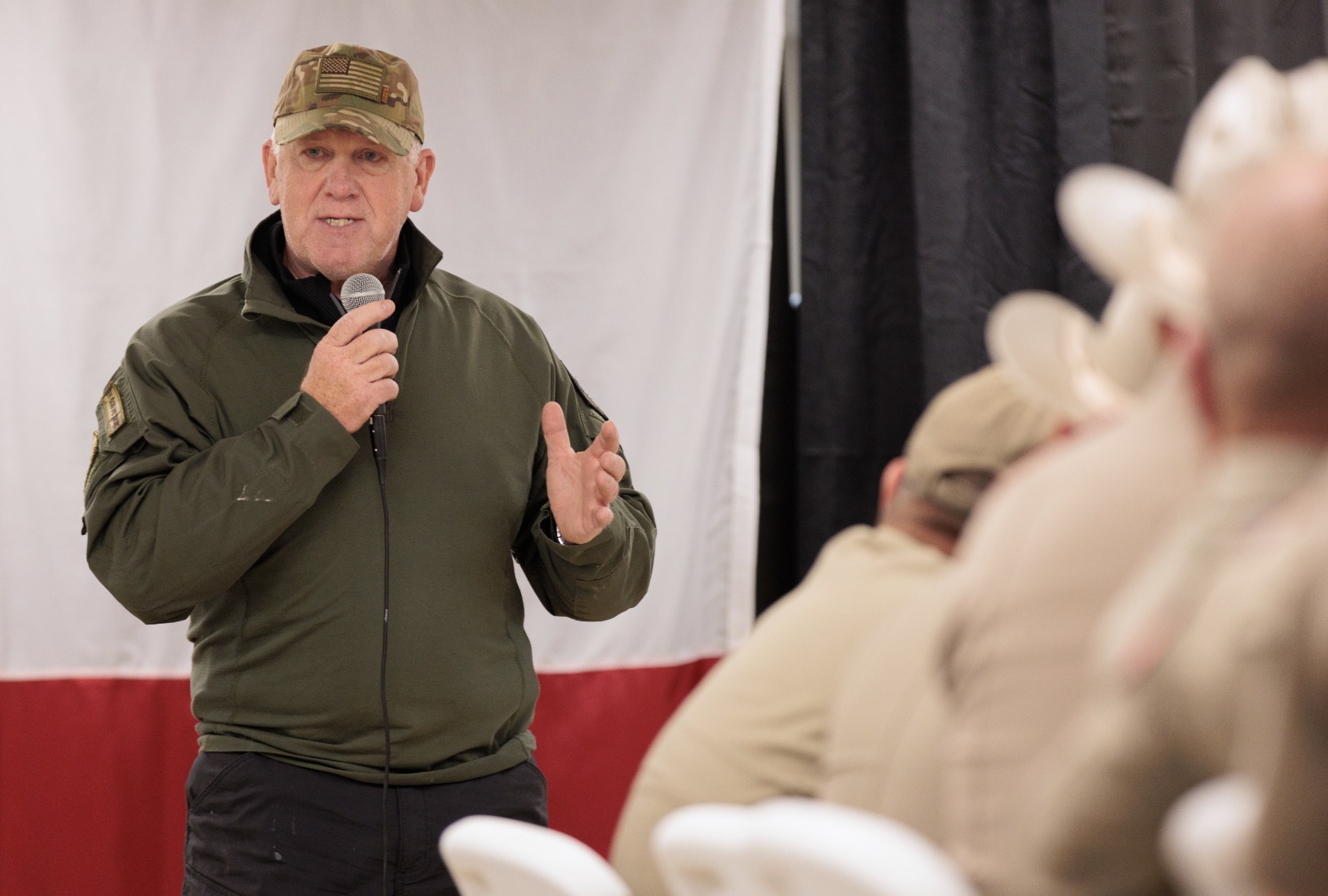
Tom Homan, director of Border and Immigration Enforcement, spoke at a Minneapolis press conference and said he would remain in Minnesota "until the problem's gone," but pledged to implement "improvements" and suggested drawdowns would depend on cooperation from Minnesota officials, according to his remarks.
The operation in Minnesota has been marked by clashes and deaths, including the killings of Renee Good and Alex Pretti by federal agents in two separate incidents in January, and has prompted bipartisan criticism and calls for oversight, according to officials and public statements.
With the federal funding deadline approaching on Friday and a failed Senate funding amendment to rein in ICE, lawmakers across parties have demanded restrictions and investigations, and officials warned the agency's nationwide posture could shift depending on pending congressional action and local cooperation.
Analysis
Center-leaning sources frame the story by emphasizing controversy and skepticism toward ICE: they foreground critical local voices (Mayor Sheline calling operations "disastrous"), highlight contrasting official claims (DHS touting arrests vs. court records showing unresolved cases), and place enforcement amid political context (Collins' reelection, rival protests), shaping a narrative of contested legitimacy.