Trump Nominates Kevin Warsh As Fed Chair
Warsh nominated to replace Jerome H. Powell; Senate must confirm before Powell's term ends May 15, 2026.

 Al Jazeera
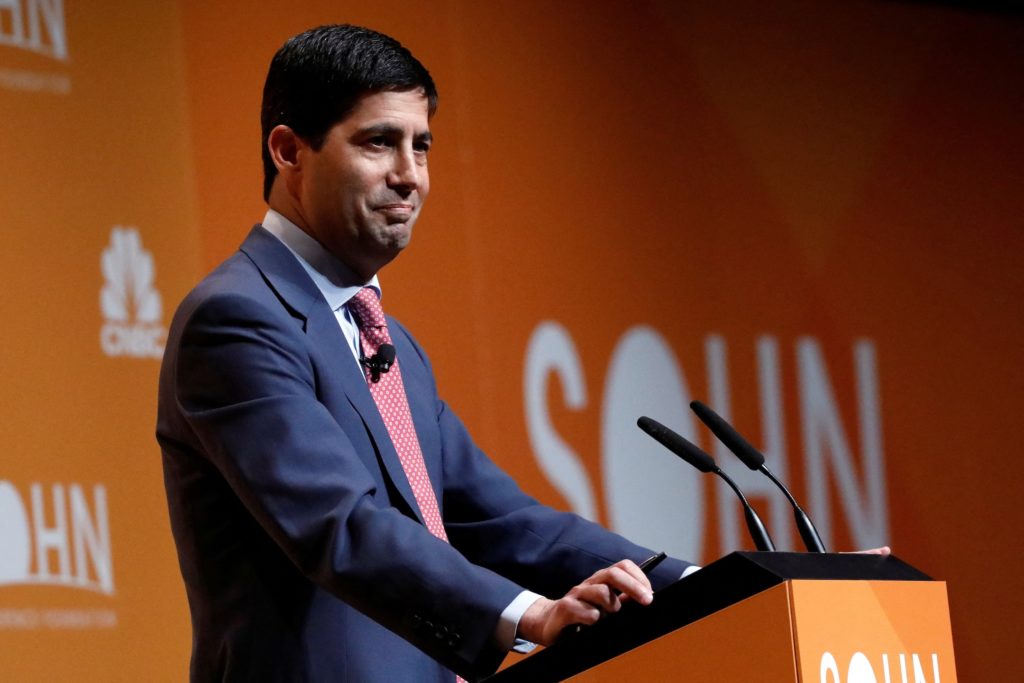
Is Trump’s choice for US Fed chair a ‘chameleon’ or a ‘solid’ pick?
 PBS NewsHour
What Trump's nomination of inflation hawk Kevin Warsh means for the Federal Reserve
 The Atlantic
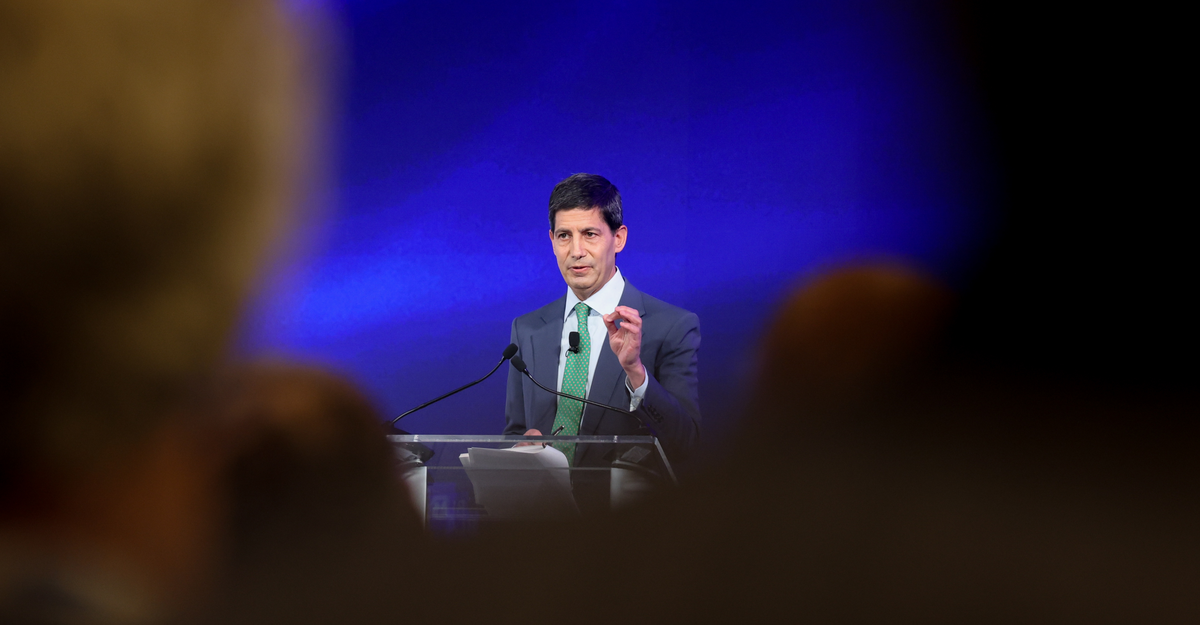
Trump’s Fed-Chair Pick Is an Interest-Rate Hawk—Or Is He?
 PBS NewsHour
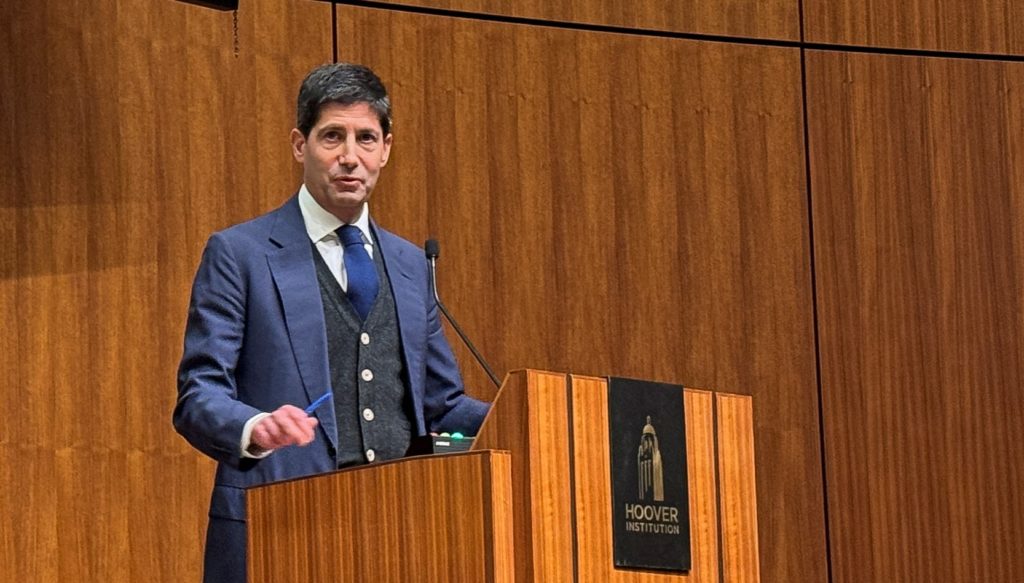
What economic experts think about Trump's choice of Kevin Warsh for Fed chair
Overview
President Donald Trump nominated Kevin Warsh on Jan. 30, 2026, to be chairman of the Federal Reserve, a post that would replace Jerome H. Powell when Powell's term ends on May 15, 2026, if the Senate confirms Warsh.
The nomination follows a Jan. 11, 2026, Department of Justice criminal inquiry into Jerome H. Powell's congressional testimony, a development Powell disclosed that critics say could politicize the central bank, according to Powell's disclosure and public reports.
Trump praised Kevin Warsh in a Truth Social post as "one of the great Fed chairmen," while Sen. Thom Tillis, R-N.C., said on Jan. 29 he will oppose any Federal Reserve nominee until DOJ subpoenas and related investigations are resolved, according to Tillis's public statement.
U.S. markets reacted to the announcement, with the S&P 500 closing down 0.43% at 6,939.03, the Dow falling 0.36% to 48,892.47, the Nasdaq down 0.94% to 23,461.82, the 10-year Treasury yield at 4.247%, gold dropping more than 9% to $4,871.30 per ounce and silver plunging over 27%, according to market data.
Kevin Warsh must be confirmed by the Senate before May 15, 2026, and congressional aides said no confirmation hearing date has been scheduled, setting up a potentially contentious review of his record and the Fed's independence that economists including David Wessel of the Hutchins Center said markets will watch closely.
Analysis
Center-leaning sources frame Warsh’s nomination as a market‑oriented, politically fraught choice by foregrounding his Wall Street pedigree, mixed hawk/dove record, and the risk to Fed independence. Editorial emphasis on investor reactions, the Justice Department probe, and selection of expert commentators tilts the narrative toward concerns about politicization and market continuity.