Mine Collapse at Rubaya Kills Over 200, Rebel Authorities Say
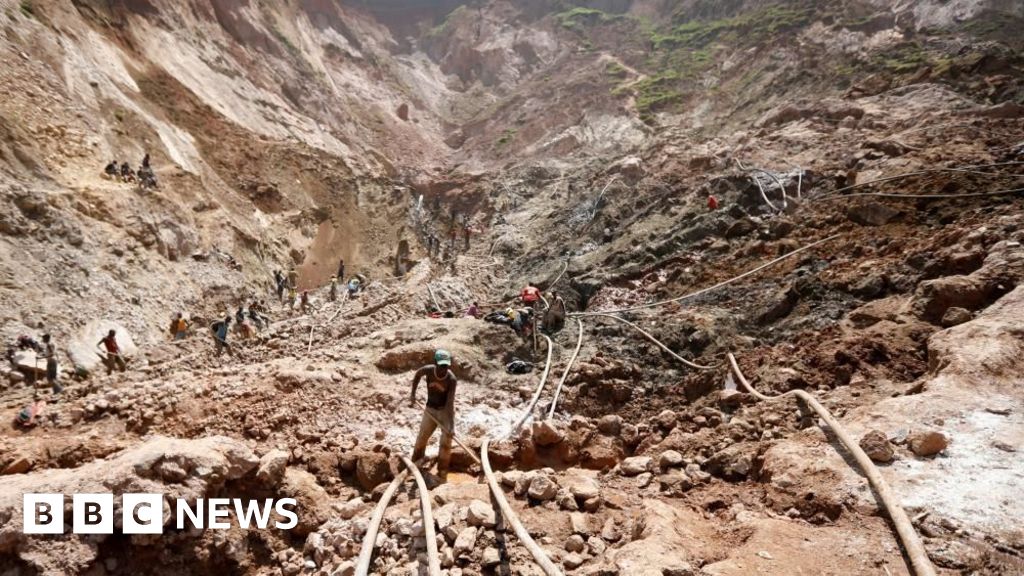
A landslide at Rubaya's coltan pits on March 5 left at least 200 people dead, with dozens still buried and injured transferred to Goma.





Overview
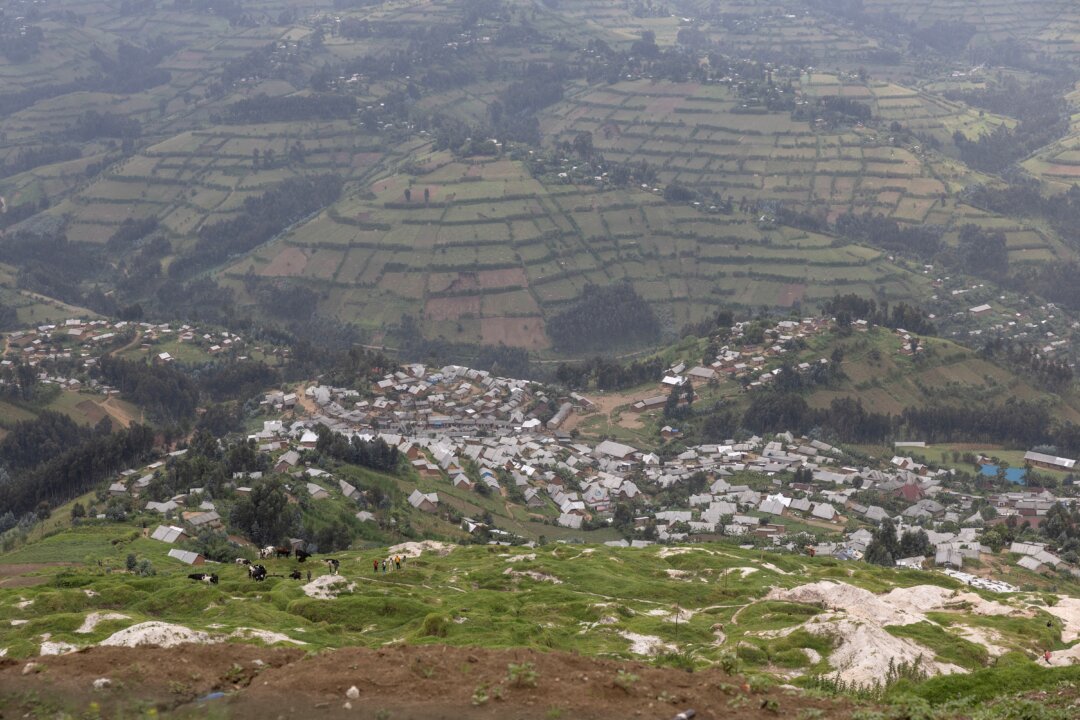
Lumumba Kambere Muyisa, spokesperson for the rebel-appointed governor of North Kivu, said a landslide collapsed multiple coltan pits at the Rubaya mines on March 5, leaving more than 200 people dead and some still buried in mud, according to his statement.
Rubaya produces about 15 percent of the world's coltan and the collapse amid heavy rains raises immediate supply-chain concerns for manufacturers of smartphones and aerospace components, the U.S. Geological Survey and industry analysts said.
The rebel-appointed governor ordered a temporary halt to artisanal mining at the site and relocation of residents who had built shelters near the mines, and ambulances prepared to transfer wounded from three Rubaya health facilities to Goma, officials confirmed.
An anonymous adviser to the governor put the confirmed death toll at least 227, and UN reports say M23 has extracted taxes from the Rubaya mines generating at least $800,000 monthly since seizing the area in May 2024, figures show.
Rescue teams continued recovery operations amid heavy rains and unstable tunnels, and officials warned the death toll could rise while talks between the Congolese government, Rwanda and rebel leaders continue, U.N. and regional sources said.
Analysis
Center-leaning sources frame the collapse as symptomatic of rebel exploitation and geopolitical stakes, emphasizing M23 control, UN accusations of taxing mines, and the site's role in global tech supply. They foreground survivor testimony and descriptions of “dangerous pits,” while offering limited government or Rwandan responses, shaping a resource-driven humanitarian narrative.