Pakistan Says It Killed 145 'Indian-Backed Terrorists' in Balochistan Raids
Provincial officials said security forces killed 145 alleged militants in a 40-hour operation after attacks that killed 33 people, mostly civilians.
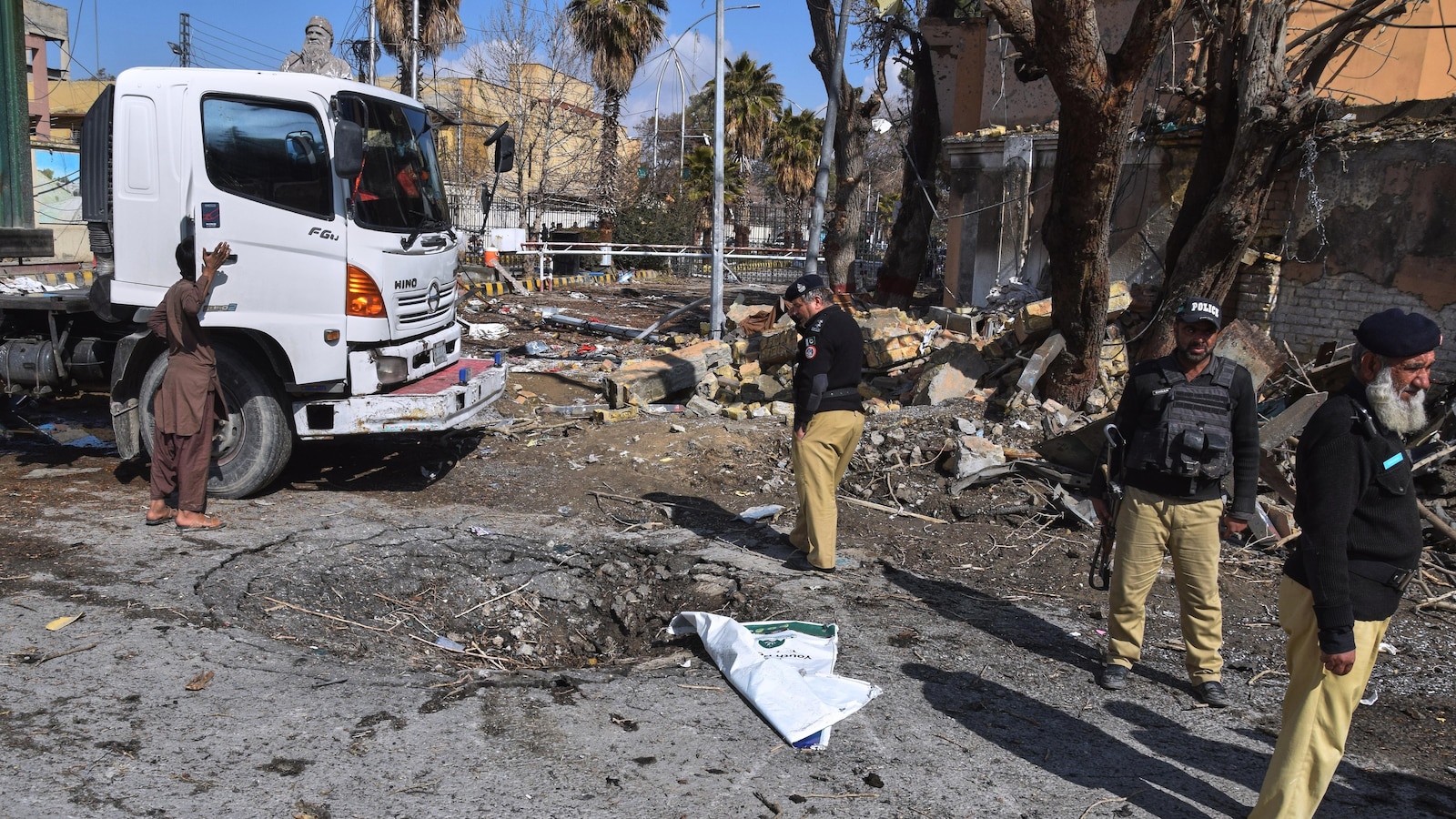
 ABC News
Pakistan says it has killed 145 'Indian-backed terrorists' in Balochistan after deadly attacks
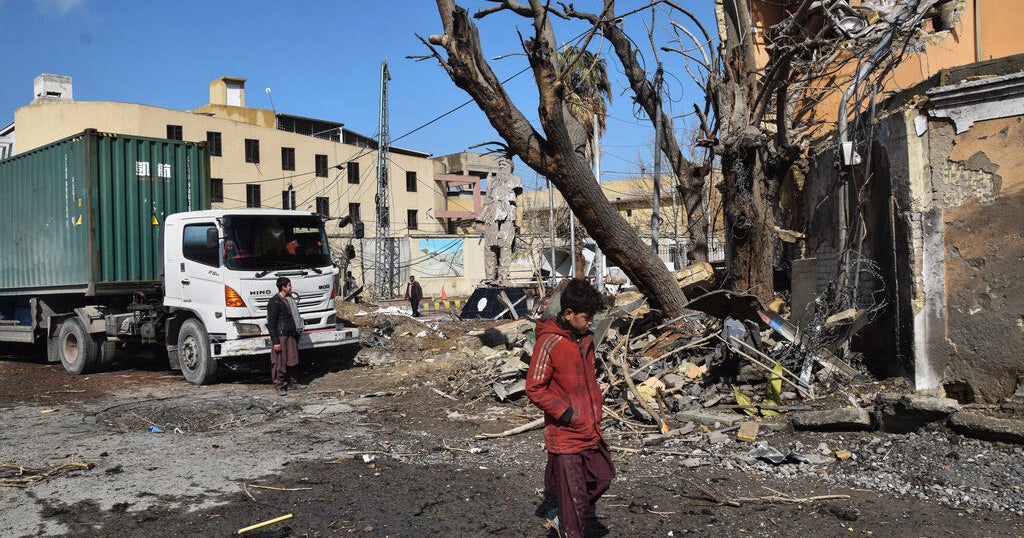
 CBS News
At least 145 people killed in multiple attacks in southwestern Pakistan
 Associated Press
Pakistan says it has killed 145 'Indian-backed terrorists' in Balochistan after deadly attacks
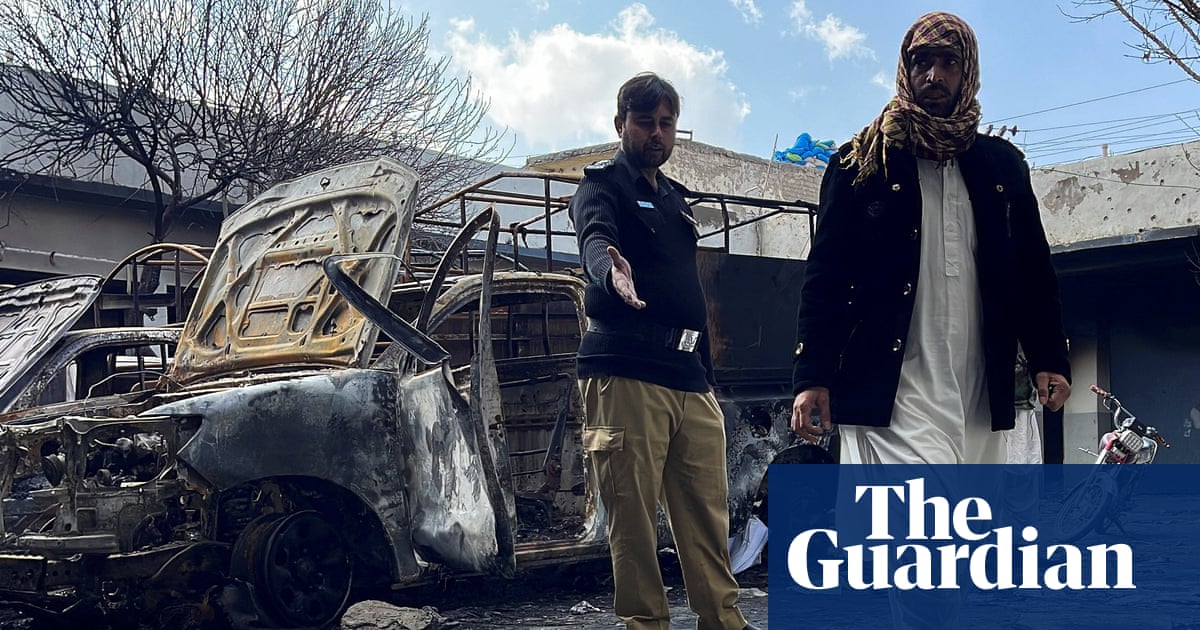
 The Guardian
Pakistan targets Balochistan separatists after ‘unprecedented’ assaults
Overview
Sarfraz Bugti, the Balochistan provincial chief minister, said security forces killed 145 members of "Fitna al-Hindustan," the government's label for the outlawed Baloch Liberation Army, during raids across Balochistan over 40 hours, according to provincial officials.
The operations followed coordinated suicide and gun attacks on Saturday that authorities said killed 33 people, including 18 civilians and 15 security personnel, and targeted police installations, a high-security prison in Mastung and government buildings across 12 towns, officials said.
Interior Minister Mohsin Naqvi and provincial officials accused India of backing the attackers, a charge New Delhi denied, while the Baloch Liberation Army claimed responsibility in online statements, according to officials and analysts.
The raids disrupted rail services, prompted hospitals to declare emergencies and involved troops, police and paramilitary forces, with officials saying the number of militants killed was the highest in decades and that some bodies were Afghan nationals.
Defense Minister Khawaja Asif said calm had been restored and security forces were conducting mopping-up operations, and provincial officials said investigations into alleged militant sanctuaries in Afghanistan were ongoing amid denials from Kabul.
Analysis
Center-leaning sources emphasize official, state-security framing, foregrounding government claims (e.g., 'Indian-backed terrorists' and 145 killed) and praise for security forces, while offering limited independent verification. They highlight economic-stability stakes and civilian panic quotes but give little space to rebel motives or Afghan/Indian denials, producing a securitized, state-centered narrative.