U.S. District Judge Katherine M. Menendez Denies Injunction, Allows Operation Metro Surge To Continue
Judge Menendez refused to pause Operation Metro Surge, which plaintiffs say deployed about 3,000 federal agents during the Minnesota enforcement campaign.

 CNN
CNNAnti-ICE protests spread across the US this weekend as court battles deliver wins and losses for the Trump administration
 PBS NewsHour
Federal judge says she won’t halt the immigration enforcement surge in Minnesota as a lawsuit proceeds

 Daily Caller
Biden Judge Rejects Blue State's Request To End ICE Operation

 Al Jazeera
US judge declines to halt immigration surge in Minnesota amid protests
Overview
U.S. District Judge Katherine M. Menendez denied a preliminary injunction, refusing to pause Operation Metro Surge while the lawsuit by Minnesota Attorney General Keith Ellison and the cities of Minneapolis and St. Paul proceeds, court documents show.
Plaintiffs said in court filings that Operation Metro Surge deployed about 3,000 federal agents and disrupted schools, healthcare and religious observances in Minneapolis and St. Paul, causing "profound and even heartbreaking consequences," court filings state.
U.S. Attorney General Pam Bondi hailed the ruling as "another HUGE" legal win for the Justice Department in a post on X, while Minneapolis Mayor Jacob Frey said he was "disappointed" and called the operation an "invasion" in a public statement.
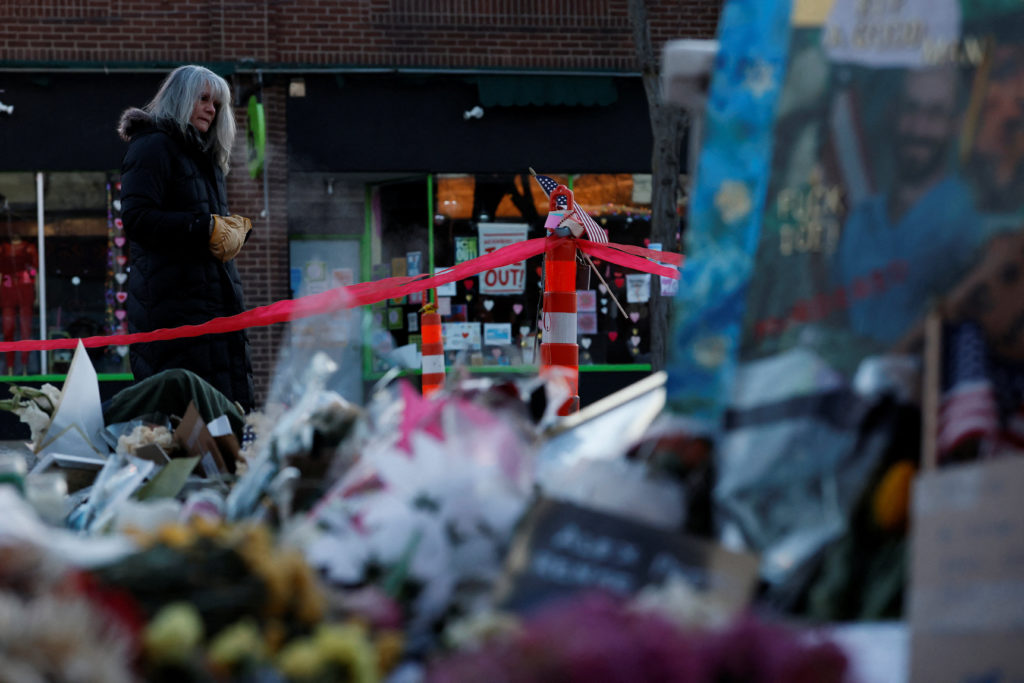
The operation has coincided with the Jan. 7, 2025 fatal shooting of Renee Nicole Good and the Jan. 24, 2025 fatal shooting of Alex Pretti by federal agents and has prompted more than 300 demonstrations nationwide, organizers and court documents said.
Menendez said she made no final determination on the underlying constitutional claims and the case will proceed in U.S. District Court with potential appeals to the Eighth U.S. Circuit Court of Appeals, court records show.
Analysis
Center-leaning sources largely remain neutral, attributing emotive language to quoted sources and balancing perspectives: they report the judge's stark wording and plaintiffs' sovereignty claims, include DHS and Trump statements about safety, note critics' concerns about wrongful arrests, and describe protests—presenting competing claims rather than adopting one editorial stance.