Border Patrol Commander Allegedly Mocked U.S. Attorney's Jewish Faith
Alleged Jan. 12 remarks targeted Minnesota U.S. Attorney Daniel N. Rosen's Shabbat observance, according to people with knowledge.

 USA TODAY
Trump border aide allegedly made offensive comments about Jewish official

 Reason
Dan Bovino's Comments About U.S. Attorney Daniel Rosen's Shabbat Observance
 CBS News
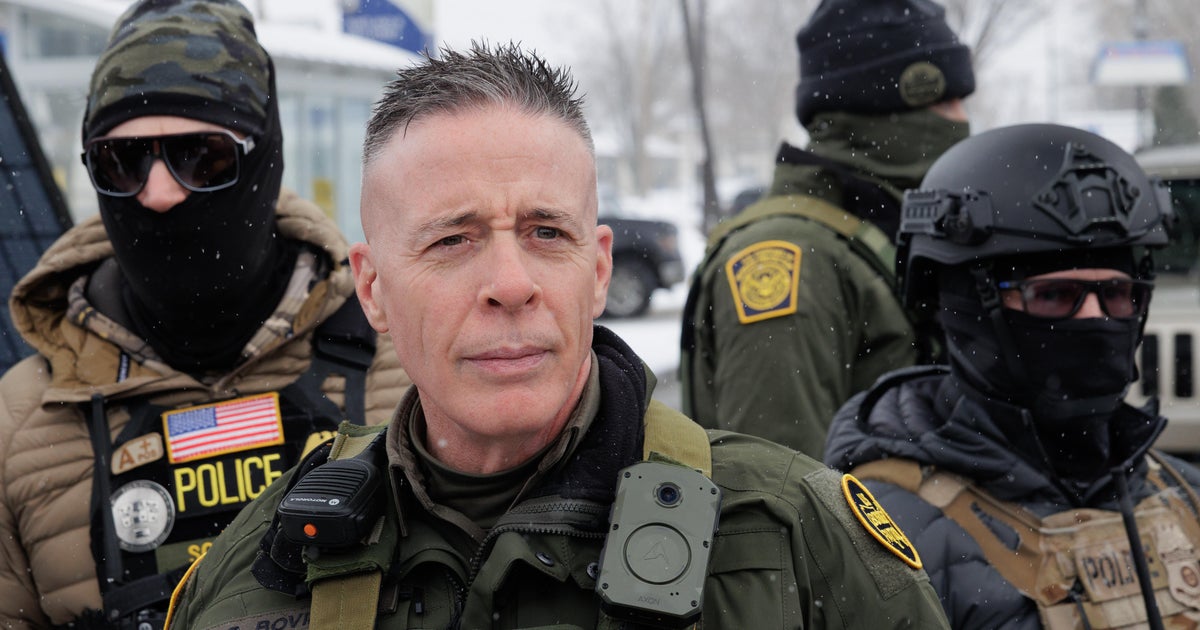
Officials in Minnesota allege Bovino used language offensive to Jews on conference call
 Daily Beast
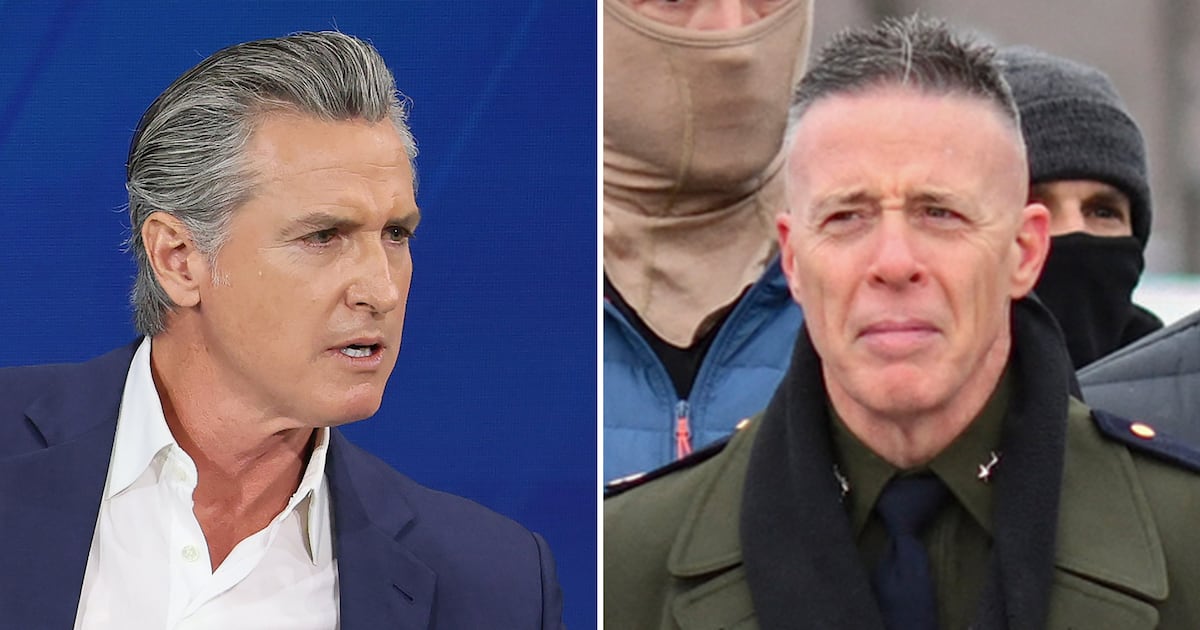
Newsom Torches Border Goon for Mocking Jewish Prosecutor
Overview
Border Patrol Chief Gregory Bovino allegedly mocked Minnesota U.S. Attorney Daniel N. Rosen's Orthodox Jewish Shabbat observance on a Jan. 12 conference call, asking "Do Orthodox criminals take off on Saturday?" and using "chosen people" sarcastically, according to people with knowledge.
The Jan. 12 call occurred five days after the Jan. 7 killing of Renee Nicole Good and preceded the Jan. 24 fatal shooting of Alex Pretti, incidents that have intensified scrutiny of federal immigration operations, according to people familiar with the cases.
Anti-Defamation League CEO Jonathan Greenblatt called the remarks "disgraceful" and an "antisemitic mockery" in a post on X, and U.S. Sen. Jacky Rosen said Bovino should be fired in an X post, while DHS and the Justice Department did not immediately respond to requests for comment.
Reports said Bovino was removed from his role as Border Patrol "commander at large" and reassigned to the El Centro sector in California after backlash, but DHS spokesperson Tricia McLaughlin said in a prior statement that "Chief Gregory Bovino has NOT been relieved of his duties."
Sources said the episode could prompt internal Justice Department or Department of Homeland Security inquiries and further political fallout as leaders weigh disciplinary options and federal enforcement and protests continue in Minneapolis and Los Angeles.
Analysis
Center-leaning sources frame the story as evidence of official misconduct and cultural insensitivity, emphasizing Bovino's alleged antisemitic remarks alongside prior controversies, fatal shootings, protests, and condemnations from ADL and lawmakers. Editorial choices—loaded descriptors, selective context, and prominence of critical voices—collectively portray systemic problems rather than isolated comments.