Dollar Falls 10% Over Year After Trump Praises Weakness
ICE U.S. Dollar Index is down 10% over 12 months and 1.2% this month after President Donald Trump's Jan. 27, 2026 comment.
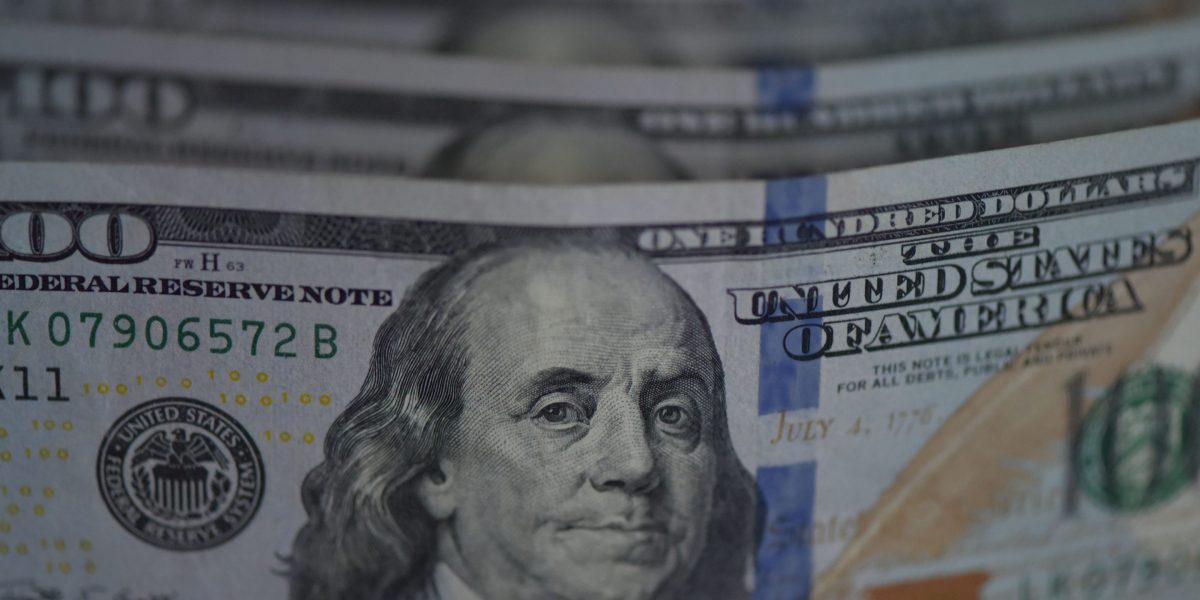
 Fortune
Down Arrow Button Icon
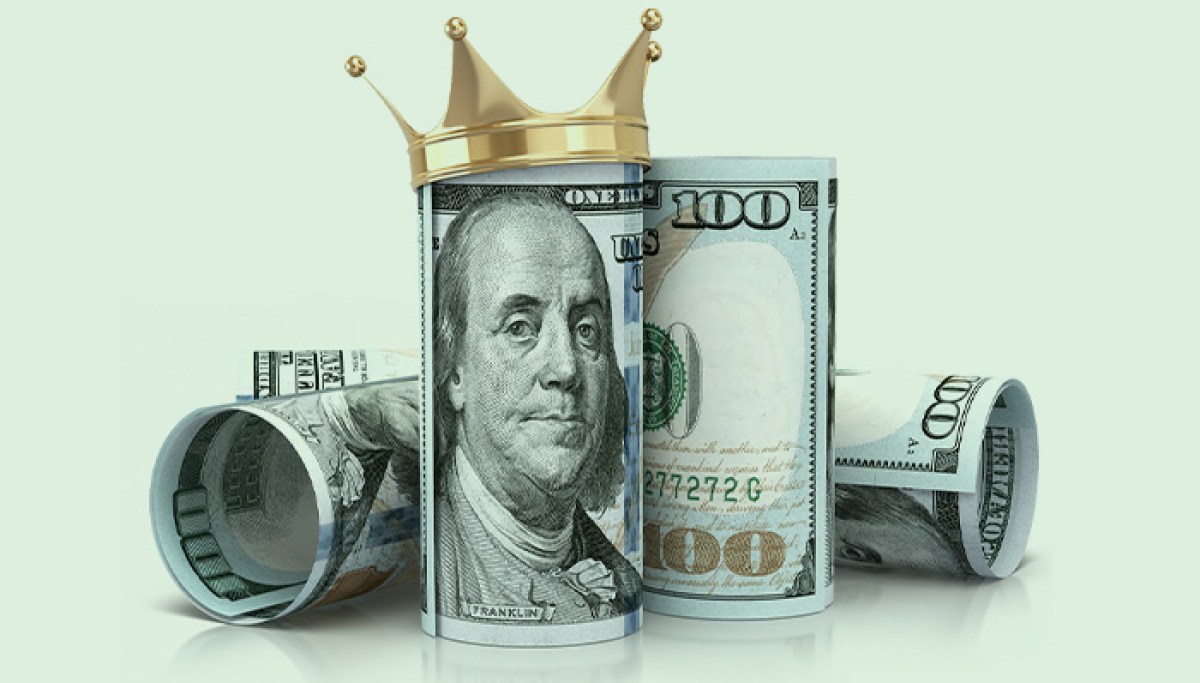
 Washington Examiner
'America First' requires dominance of King Dollar
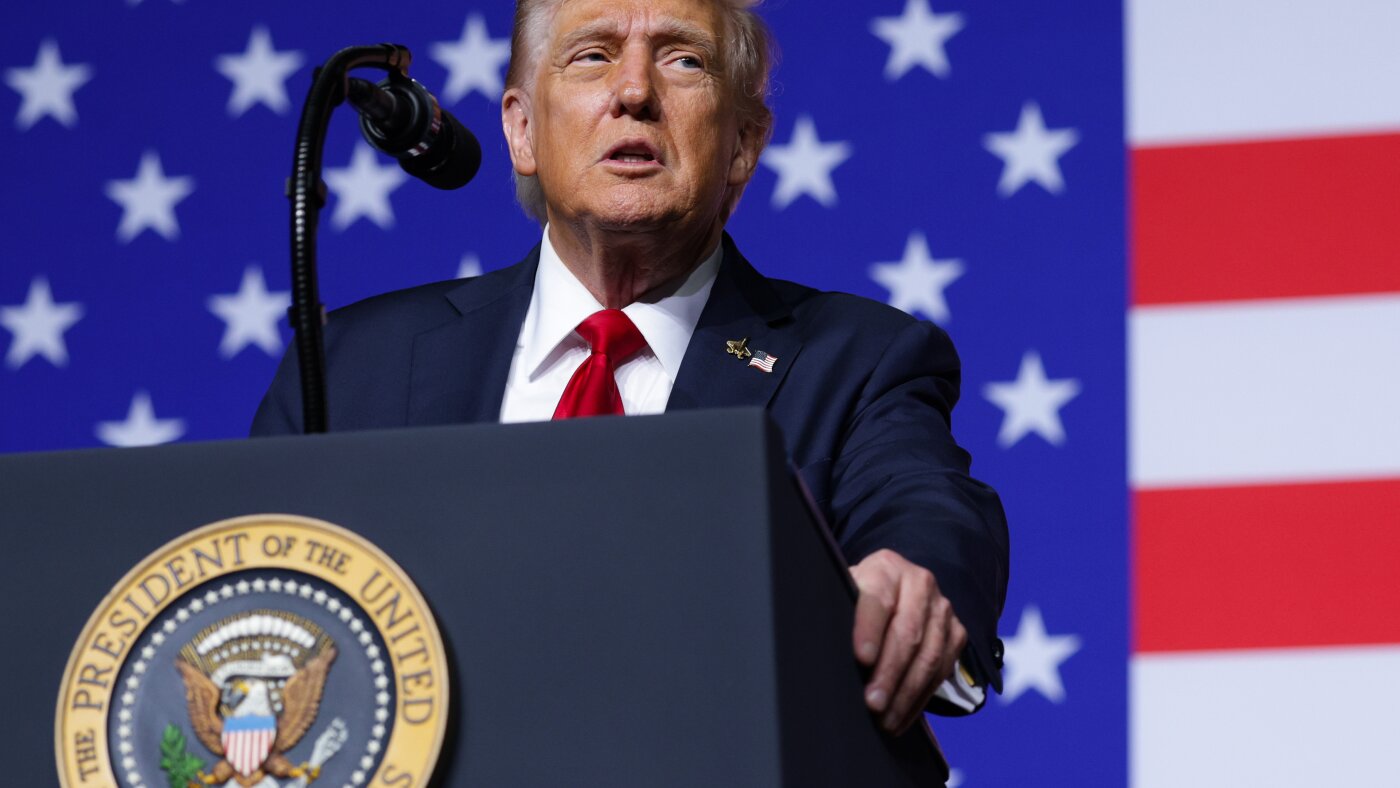
 NPR
NPRTrump thinks a weaker dollar is great for America. Is he right?
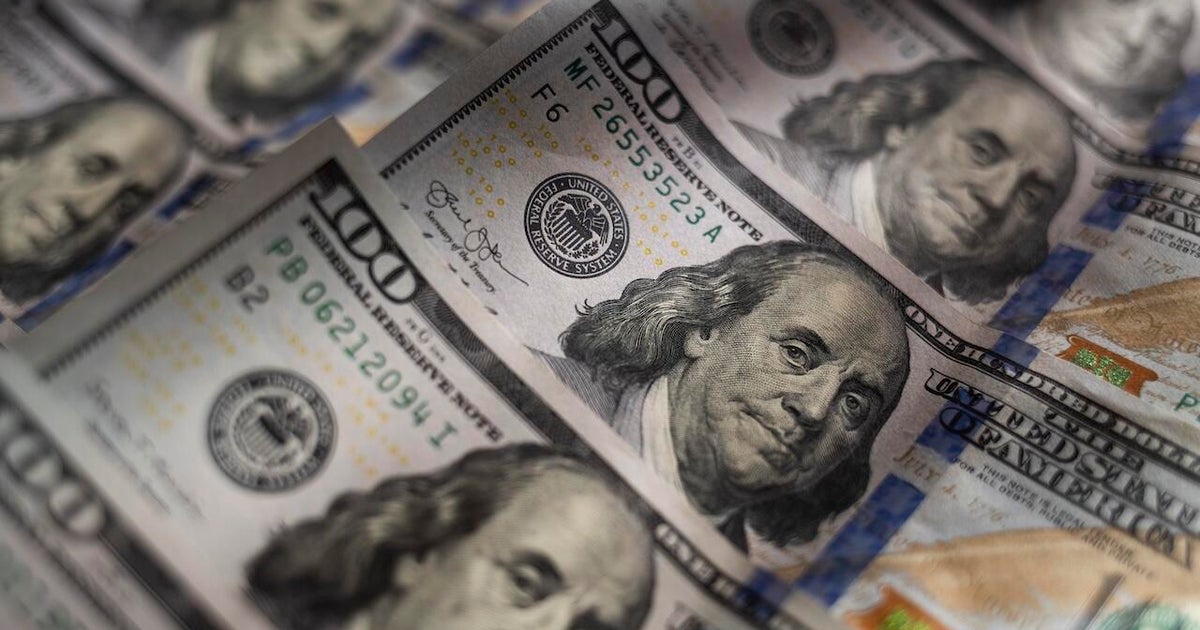
 CBS News
The U.S. dollar just fell to its lowest level in 4 years. Here's why.
 El Pais
Why Trump isn’t worried about a weaker dollar as markets (and the ECB) grow uneasy
Overview
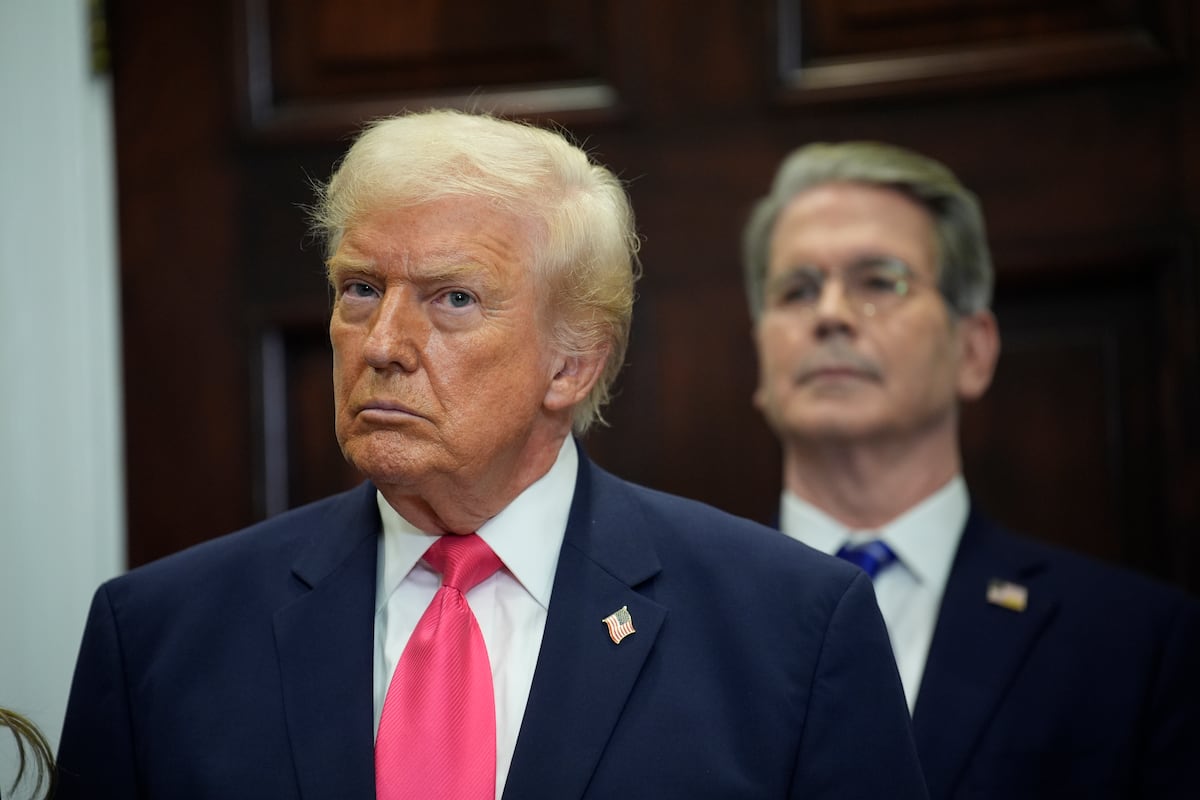
The ICE U.S. Dollar Index fell 10% over the past 12 months and 1.2% in January 2026, and President Donald Trump said "I think it's great" on Jan. 27, 2026, according to ICE data and a presidential remark reported by aides.
Economists and market strategists attributed the slide to Mr. Trump's tariff campaign, questions about Federal Reserve independence and U.S. public debt of $38.57 trillion, according to the Peter G. Peterson Foundation and analysts cited in reports.
Treasury Secretary Scott Bessent, in a Jan. 28, 2026 CNBC interview, reaffirmed a "strong dollar" policy and denied market intervention, a statement that briefly lifted the currency and marked a public contradiction with the president's comments, according to market data.
Market indicators show broad shifts in scale: gold reached nearly $5,500 per ounce and trading volumes surged, and the IMF reported that 56% of global foreign reserves were held in dollars in Q3 2025, while DTCC data show growing bets against the dollar/euro pair.
Investors and policymakers are watching a likely Fed nominee expected next week and derivatives positioning that could push the dollar lower, according to DTCC and market strategists, while analysts warn the trend could raise import costs and inflation risks.
Analysis
Center-leaning sources frame the dollar's decline as a mixed but concerning consequence of Trump-era policy, stressing investor wariness, inflation risks, and reputational erosion while noting export/tourism upsides. Editorial signals include loaded wording ('unpredictable — and often unorthodox'), selective emphasis on 'Sell America' fears, and relegating Treasury defenses to the article's end; direct quotes remain source content.