House Judiciary Democrats Demand Full Access to Epstein Files
House Democrats seek unredacted review after DOJ released about 3 million of roughly 6 million Epstein pages, officials say.
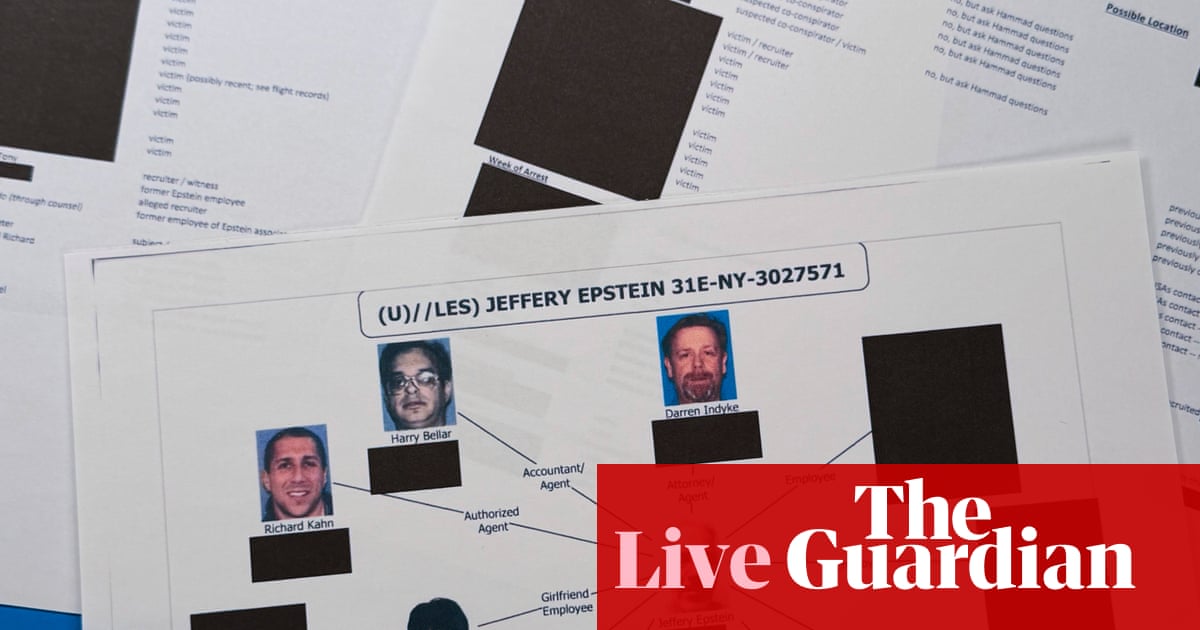
 The Guardian
Democrat slams US justice department’s release of Epstein files: ‘we are witnessing a full-blown coverup’ – live
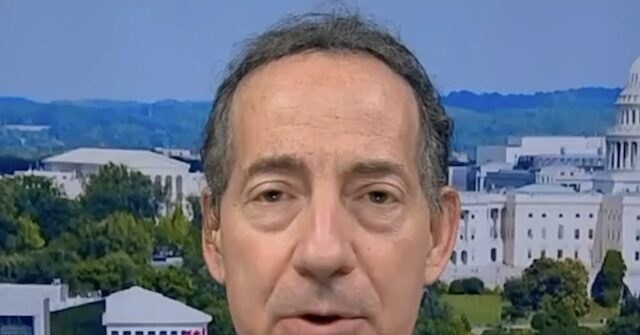
 Breitbart News
Raskin: This Is a 'Cover-Up,' 3 Million Epstein Files Released 'Close to Nothing'
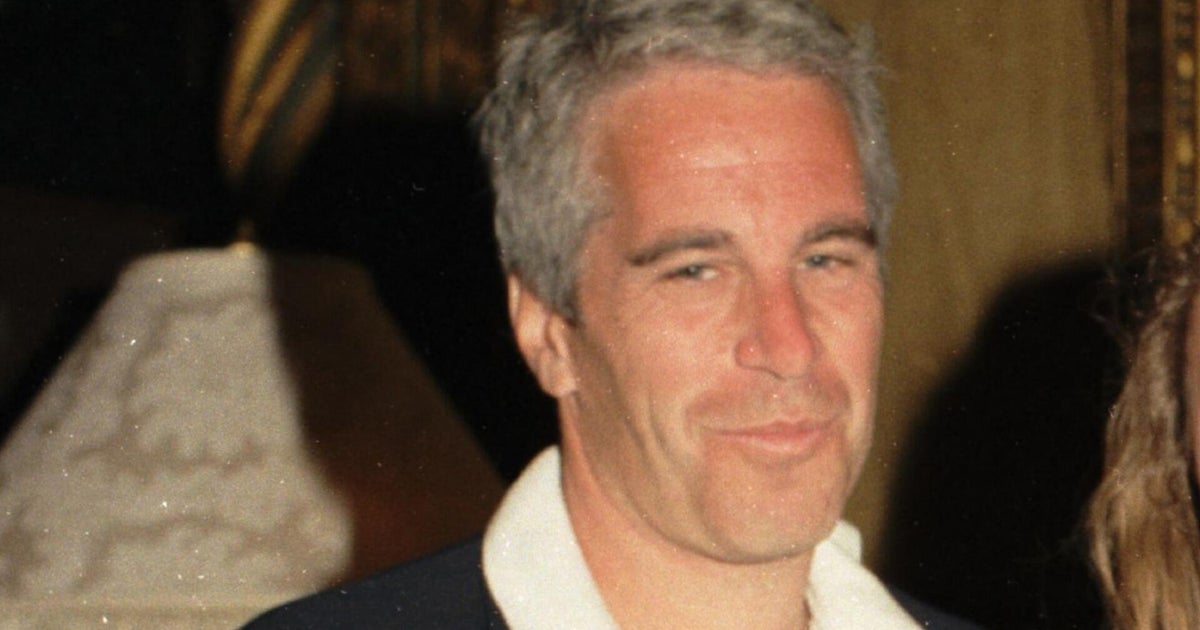
 CBS News
Amid allegations of cover-up, House Judiciary Committee members seek access to full Epstein case files

 TIME Magazine
DOJ Drops Over 3 Million Pages of Epstein Files
Overview
Democratic members of the U.S. House Judiciary Committee, led by Rep. Jamie Raskin (D-Md.), sent a formal letter to Deputy U.S. Attorney General Todd Blanche on Saturday seeking immediate arrangements to review the full Jeffrey Epstein case files, the committee's letter shows.
The matter matters because the Justice Department has disclosed roughly 3 million of an estimated 6 million potentially responsive pages, and Deputy U.S. Attorney General Todd Blanche has said the agency redacted every woman's image, according to Blanche's statements and agency records.
Rep. Jamie Raskin (D-Md.) called the partial release "a full-blown cover-up" in remarks on CNN and said Democrats will press for unredacted access, the network transcript and the committee's letter show.
The Judiciary Committee's letter says the Justice Department redacted or withheld over 200,000 pages, a figure that conflicts with the Justice Department's public count of more than 10,000 redactions, the letter and DOJ statements indicate.
The committee said its review is "urgent" ahead of a planned public hearing with Attorney General Pam Bondi and warned it may pursue subpoenas if the Justice Department does not arrange access, the letter states.
Analysis
Center-leaning sources frame the story as an accountability and transparency issue, foregrounding congressional urgency and survivors' criticisms while acknowledging DOJ defenses. They use charged headlines ("allegations of cover-up"), prioritize Democratic and survivor voices for emphasis, and place the agency's brief rebuttal later and more tersely, shaping reader concern.