Israel Tests Rafah Crossing in Pilot Ahead of Reopening
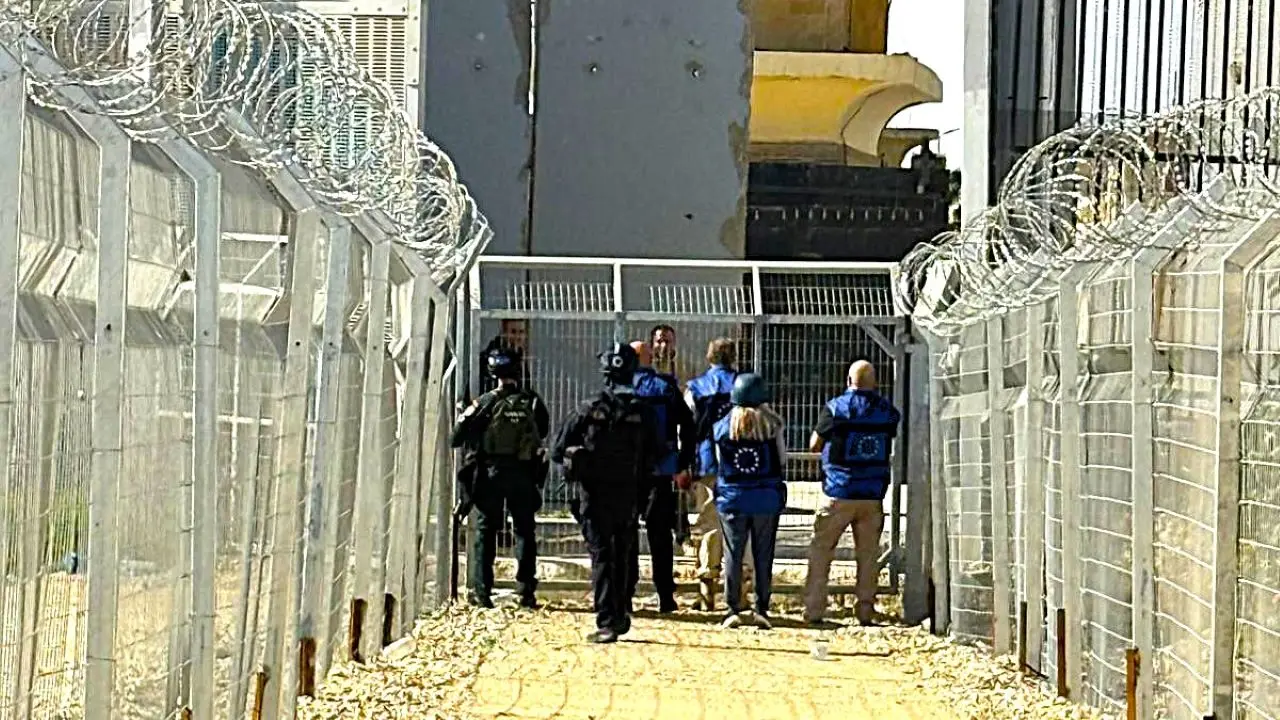
COGAT said a pilot test ran Jan. 31, 2026, with pedestrian movement to begin Feb. 1, 2026, under EU supervision and Israeli security vetting.
 FOX News
Israel, Egypt coordinate reopening of Rafah Crossing in test before Gaza residents allowed through
 The Guardian
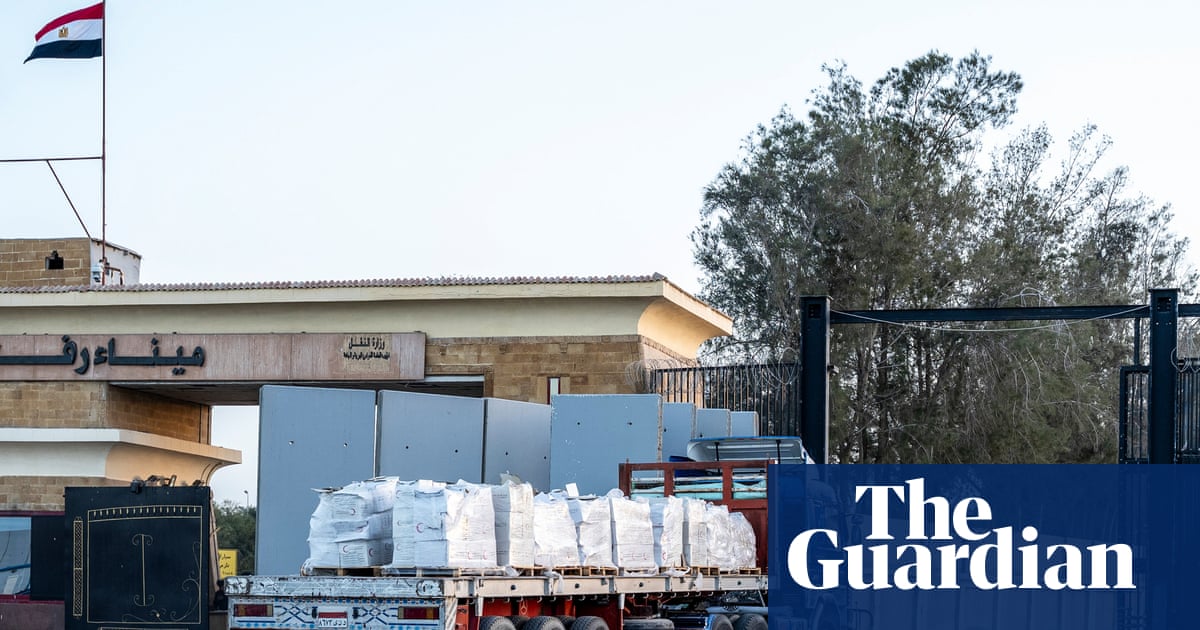
Preparations have begun for reopening of Gaza’s Rafah crossing, officials say

 NPR
NPRGaza border crossing buzzes with activity after years of near-complete closure

 CNN
CNNGaza’s Rafah crossing partially reopens after nearly 2 years of closure
Overview
COGAT, Israel’s Coordinator for Government Activities in the Territories, said in a statement on Jan. 31, 2026, that a pilot test opened the Rafah crossing and that pedestrian movement to and from Gaza will begin on Feb. 1, 2026.
The trial advances the U.S.-brokered ceasefire that took effect Oct. 10, 2024, and aims to allow medical evacuations and returns as parties attempt to implement the truce’s second phase, officials said.
An Egyptian official who spoke on condition of anonymity and a Palestinian official confirmed that Palestinian security officers and ambulances passed through the Egyptian gate during the Jan. 31 test, and EU border patrol agents will supervise exit and entry, officials confirmed.
The Palestinian Health Ministry said about 20,000 patients are waiting to leave Gaza, while Israeli sources gave differing capacities — an Israeli defence official said the crossing could hold 150–200 people in both directions and Prime Minister Benjamin Netanyahu’s office said Israel would allow 50 patients to leave per day, officials said.
Israeli and Egyptian officials said the pilot could expand if successful, but hospital officials reported at least 30 Palestinians killed in Israeli strikes on Jan. 31, 2026, and Israel accused Hamas of a truce violation near Rafah, developments officials warned could jeopardize further openings.
Analysis
Center-leaning sources present largely neutral coverage, balancing security and humanitarian angles. They attribute claims to COGAT and Netanyahu on vetting and patient limits, cite Gaza Health Ministry casualty figures, include Palestinian voices expressing hope and MSF’s suspension with Israeli rationale, and avoid loaded editorializing, favoring sourced facts and multiple perspectives.