Starmer Arrives in Shanghai to Deepen UK-China Economic Ties
Starmer's four-day China visit produced a $15 billion AstraZeneca investment and a 30-day visa-free travel agreement, Downing Street said.
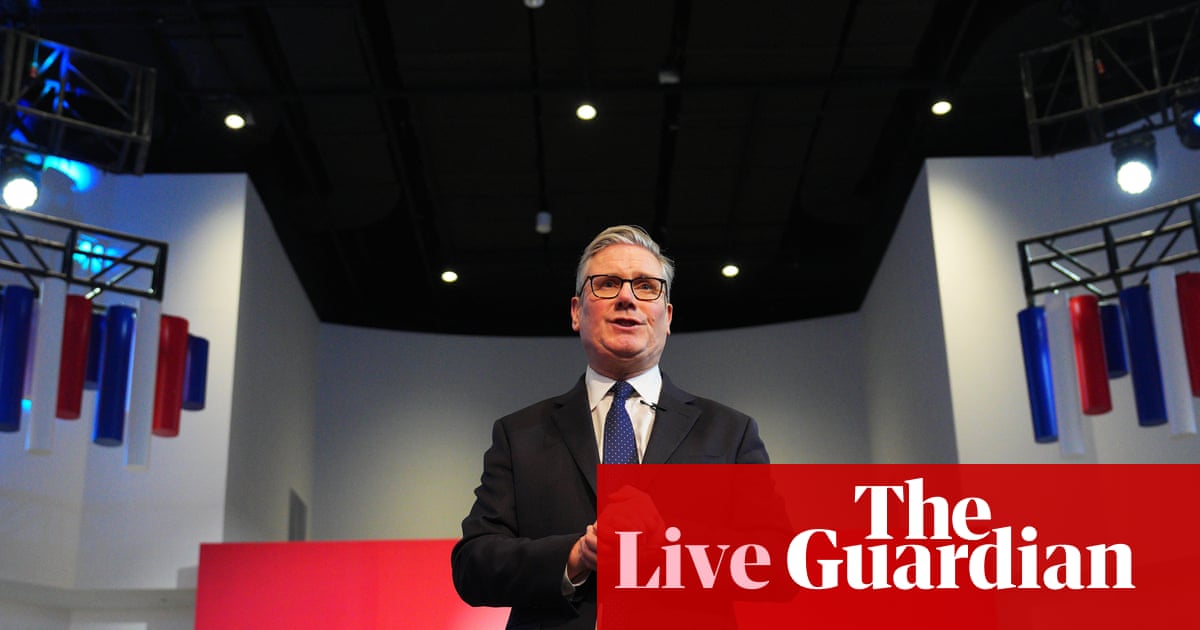
 The Guardian
UK politics: Starmer shrugs off Trump’s criticism of ‘very dangerous’ deal with China – as it happened
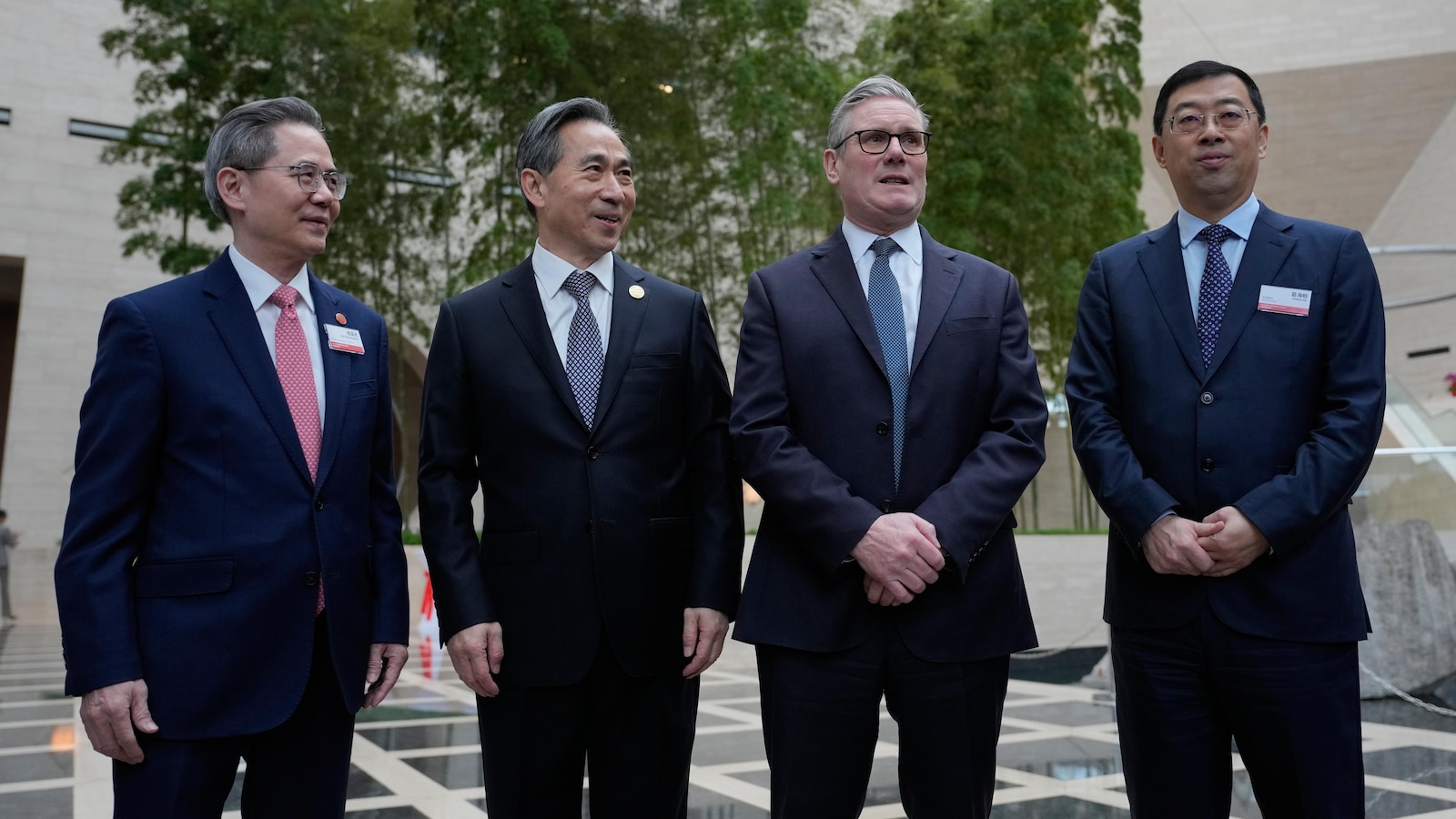
 ABC News
Starmer arrives in Shanghai as he looks to boost UK business opportunities
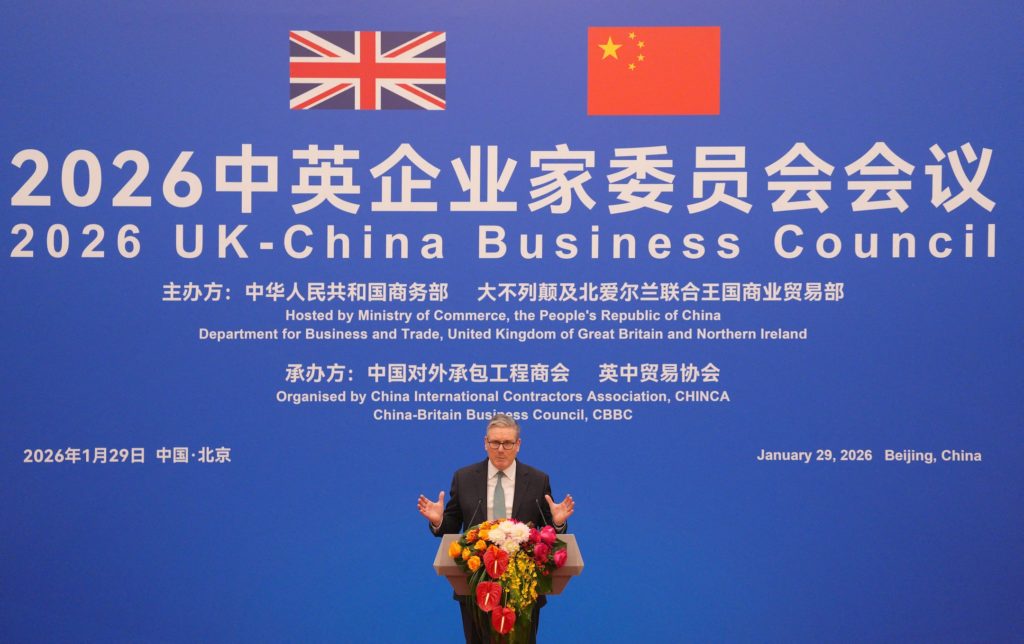
 PBS NewsHour
Alienated by Trump, U.S. allies turn to China and India for trade deals
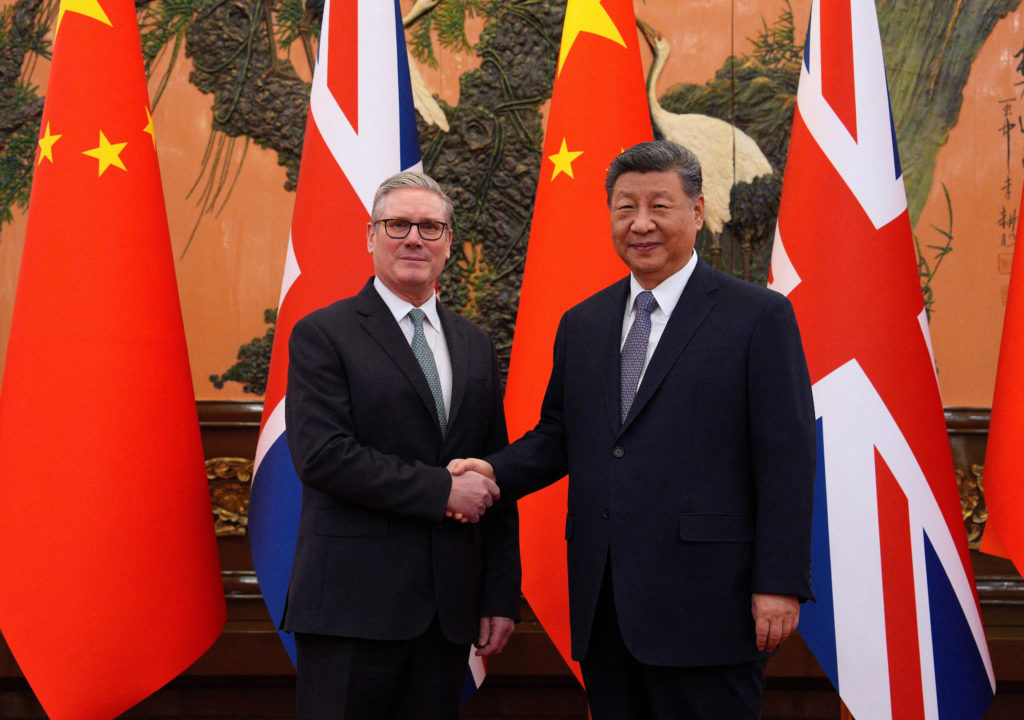 PBS NewsHour
Starmer and Xi call for deeper UK-China ties as Trump shakes up global order
Overview
Prime Minister Keir Starmer arrived in Shanghai on Friday for the second leg of a four-day visit that included a $15 billion AstraZeneca investment through 2030 and a 30-day visa-free travel arrangement for U.K. visitors, Downing Street said.
Starmer met President Xi Jinping in Beijing for 80 minutes and the two leaders pledged to pursue a "long-term and stable strategic partnership," a move aimed at boosting U.K. exports amid weak domestic growth that Starmer said he raised with Chinese leaders.
U.S. President Donald Trump told reporters the U.K. doing business with China was "very dangerous," a remark Starmer said "was probably talking more about Canada" in a Sky News interview, reflecting frictions in allied responses to Beijing.
More than 50 U.K. business leaders accompanied Starmer on the trip, the first visit by a British prime minister to China in eight years, underscoring efforts to secure Chinese investment and market access, officials said.
The two governments agreed to conduct a feasibility study as a first step toward a bilateral services agreement and announced trade and investment follow-ups through 2030, Downing Street said.
Analysis
Center-leaning sources frame Starmer’s China visit as pragmatic balancing: they emphasize economic aims and portray him as a “pragmatist,” while placing that stance against a broader narrative of Beijing “winning over” US allies and US “unpredictability and protectionism.” Editorial choices — selective Western analysts, highlighted praise, and little direct Chinese perspective — steer readers toward a cautious, centrist interpretation.