U.S. Warns Iran Over Strait Of Hormuz Live-Fire Drills
U.S. Central Command warned Iran's Islamic Revolutionary Guard Corps (IRGC) on Jan. 30 over two-day live-fire naval drills in the Strait of Hormuz starting Feb. 1.
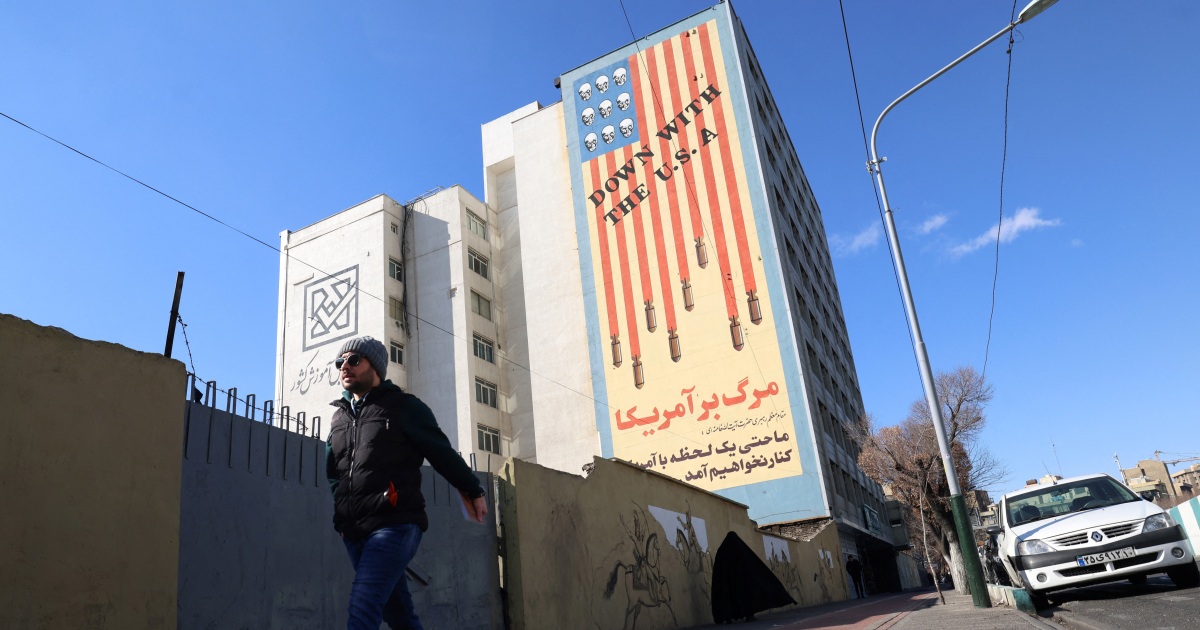
 NBC News
U.S. warns Iran over planned military drills close to American forces as Trump weighs action
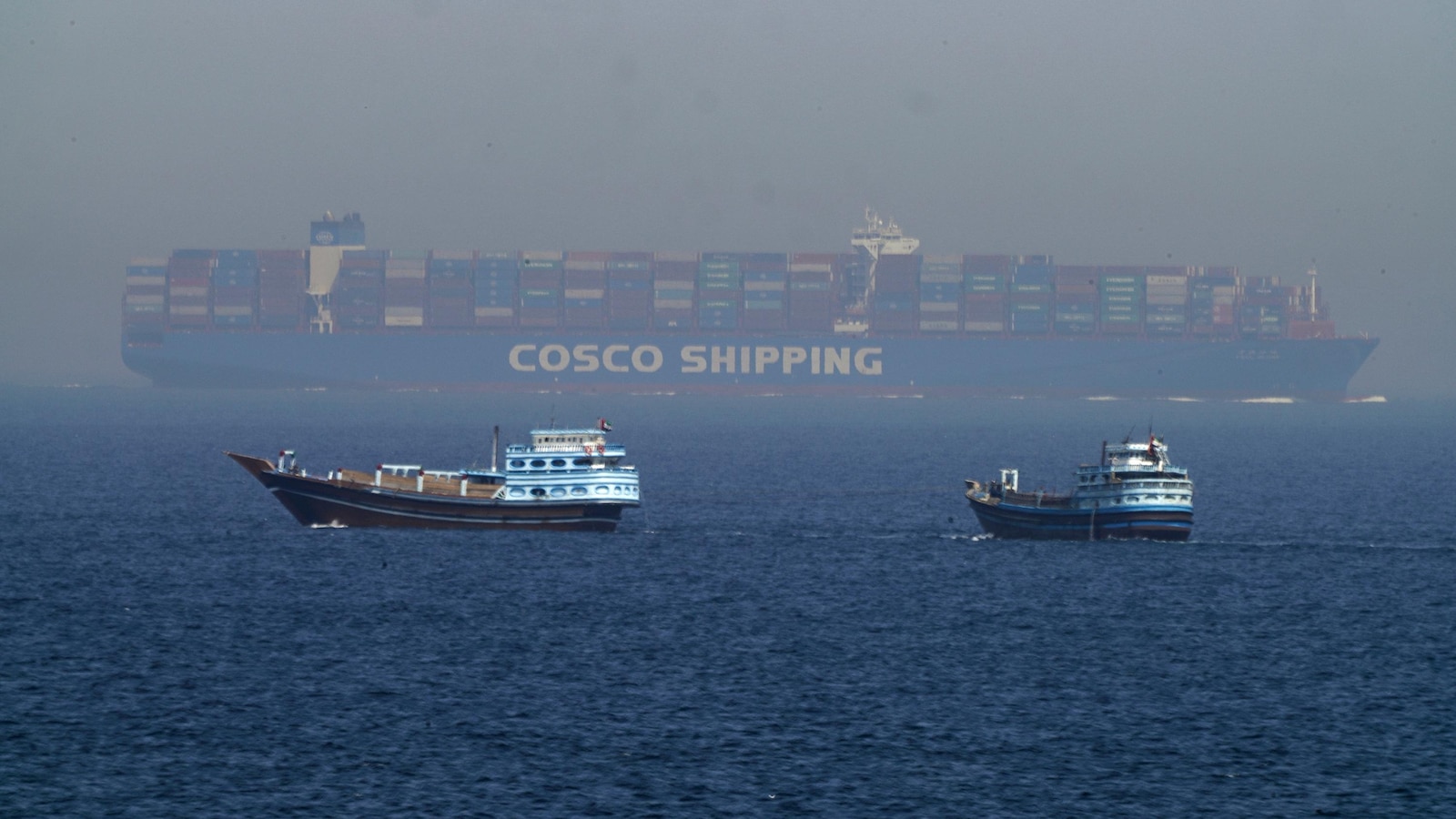
 ABC News
What to know about the Strait of Hormuz as Iran plans military drill while tensions are high with US
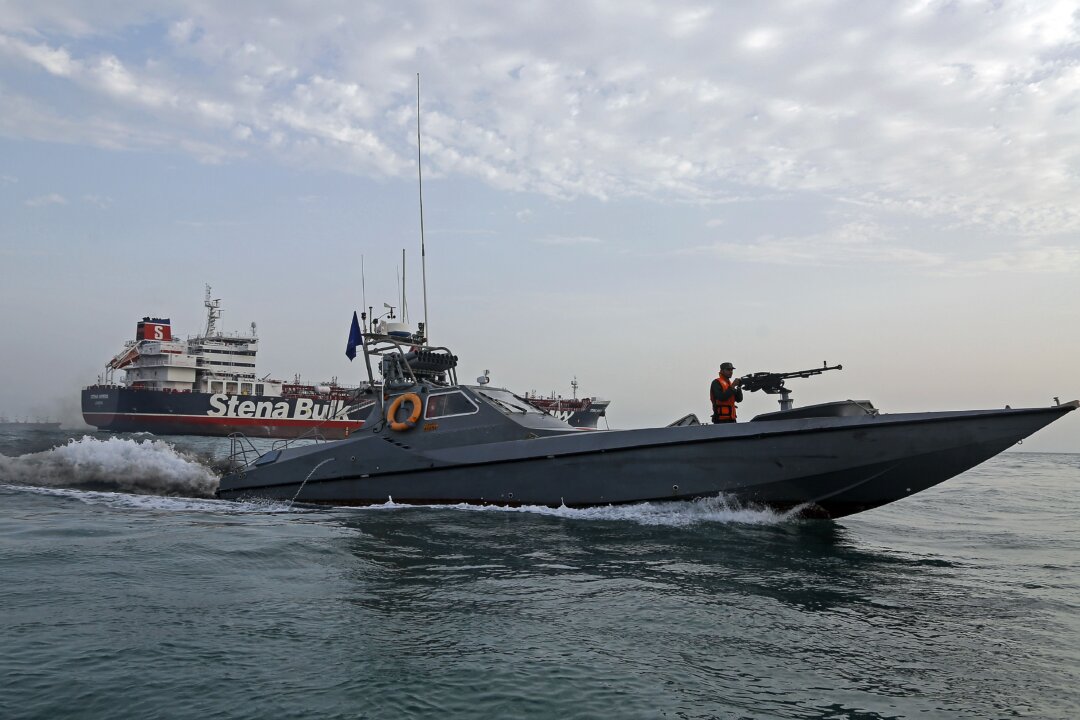
 Epoch Times
US Warns Iran Against Provocations During Upcoming Live-Fire Drills
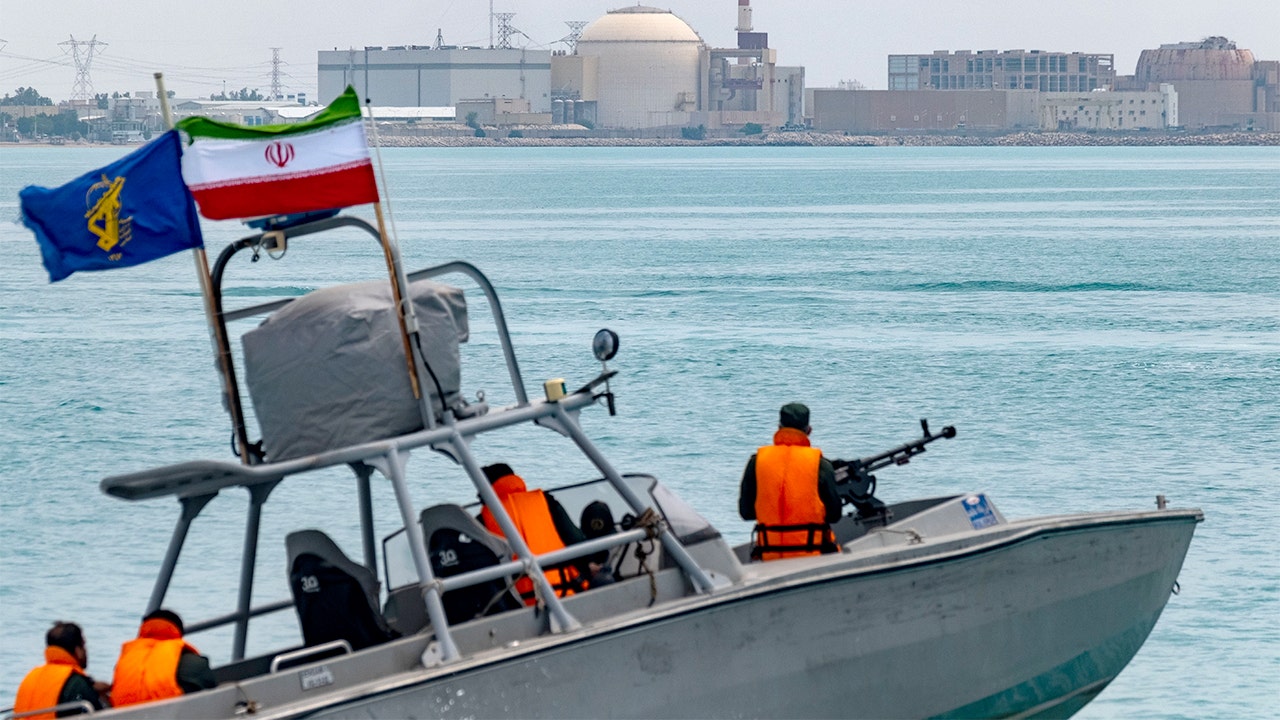
 FOX News
Iran to hold live-fire drills in Strait of Hormuz with US armada in Middle East
Overview
U.S. Central Command said on Jan. 30 that it would not tolerate "unsafe and unprofessional" actions by Iran's Islamic Revolutionary Guard Corps during a two-day live-fire naval exercise in the Strait of Hormuz starting Feb. 1.
The Strait of Hormuz handles about 20% of global oil shipments, making any disruption from naval drills potentially significant, the U.S. Energy Information Administration says.
The situation was marked by conflicting accounts: Iranian Foreign Minister Abbas Araghchi mocked the U.S. warning in a post on X, while U.S. Central Command reiterated that risky behavior near U.S. forces could lead to escalation, officials said.
A notice to mariners warned Thursday of "naval shooting" on Sunday and Monday and provided coordinates that could enter the 3.2-kilometer Traffic Separation Scheme inside the strait's narrowest 33-kilometer span, maritime authorities said.
Egypt's foreign ministry said on Saturday that Foreign Minister Badr Abdel-Aty held calls with Iranian, Turkish and Omani counterparts and U.S. special envoy Steve Witkoff to pursue de-escalation, according to an official statement.
Analysis
Center-leaning sources emphasize a security-focused, Western-centric frame: spotlighting U.S. Central Command warnings, stressing risks to global oil transit, and portraying Iran’s drill as destabilizing. Editorial choices favor U.S. military perspectives and economic stakes while giving minimal Iranian rationale or regional voices, creating a narrative of Iranian provocation and U.S. deterrence.