Operation Metro Surge Ends After Deadly Confrontations
Tom Homan announced the end of Operation Metro Surge on Feb. 12 after weeks of protests, about 3,000 officers at peak and two fatal shootings of U.S. citizens.
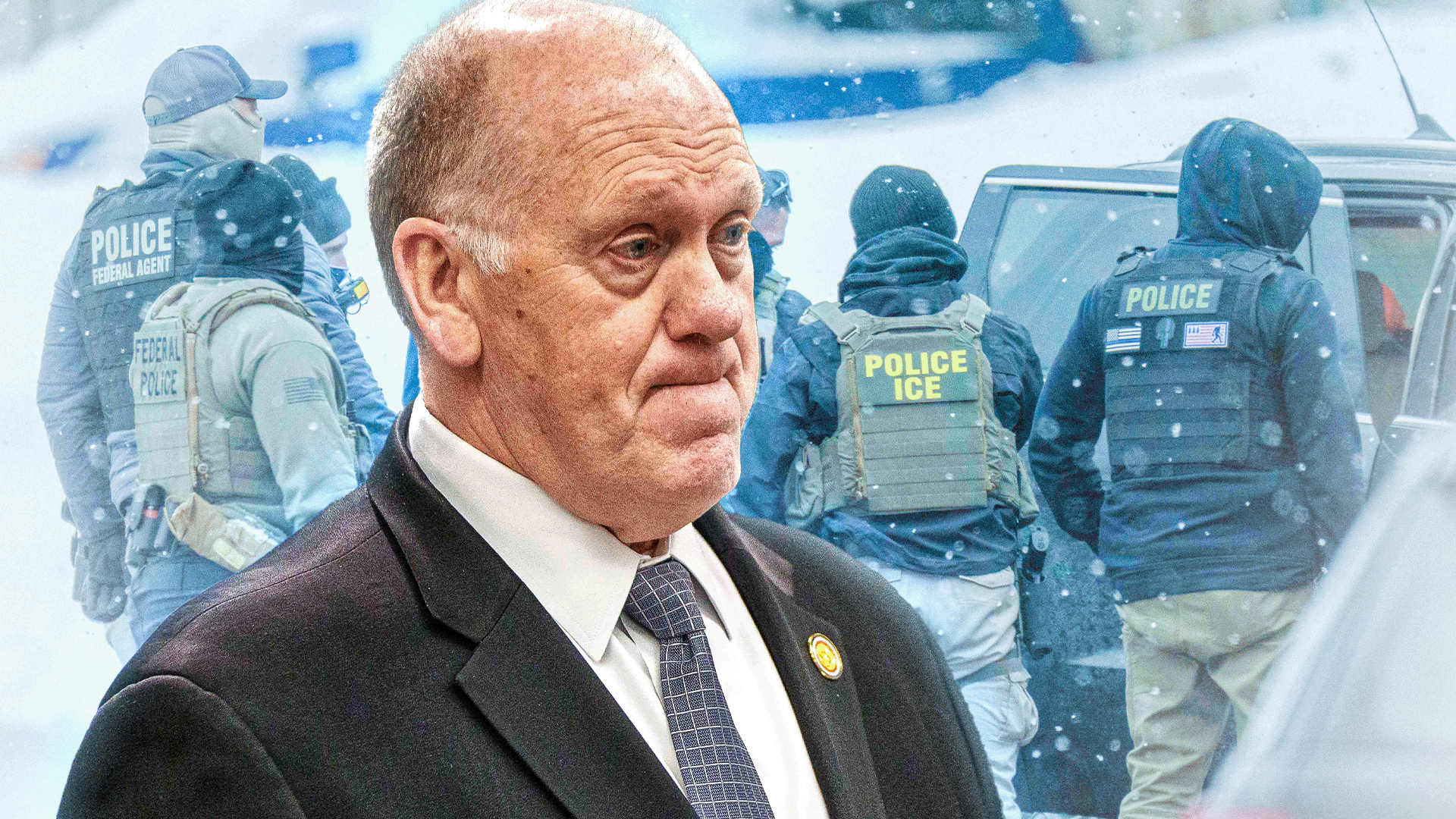
 Reason
Lessons of the End of Trump's ICE "Surge" in Minnesota
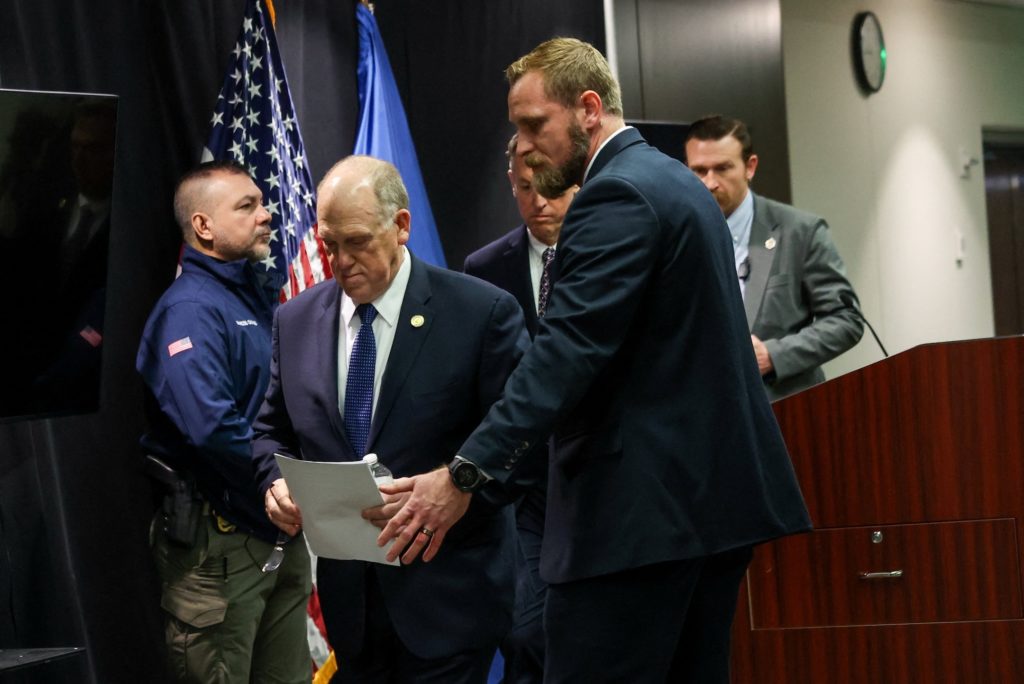
 PBS NewsHour
After deaths, protests and political backlash, ICE surge set to end in Minnesota
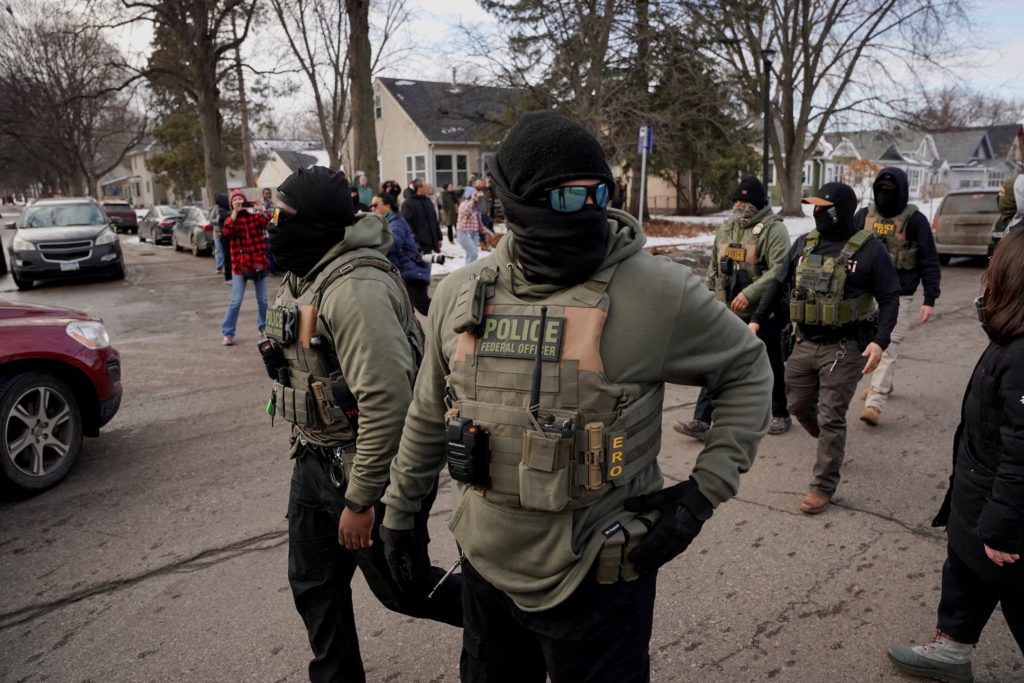 PBS NewsHour
Some Minnesotans skeptical as feds say immigration operation winding down
 Associated Press
A timeline of the Trump administration's immigration crackdown in Minnesota
Overview
Border czar Tom Homan announced on Feb. 12 that Operation Metro Surge would end.
The crackdown began Dec. 1 and at its height deployed about 3,000 federal officers in the Minneapolis–St. Paul area.
Minnesota Attorney General Keith Ellison told a Senate committee the surge "caused real harm" and urged reforms including full arrest documentation and detention oversight.
The operation led to roughly 4,000 arrests and the killings of two U.S. citizens, Renee Good and Alex Pretti, by federal immigration officers.
Investigations remain open, and ICE says it has opened 37 excessive-force probes since last month, with 19 pending and one case referred for further action.
Analysis
Center-leaning sources frame Minnesota’s ICE surge as a political and legal setback for Trump, using evaluative language (e.g., labeling tactics 'cruel, abusive, and illegal' and 'unjust and unconstitutional') and emphasizing litigation-plus-mobilization narratives. They prioritize legal and activist perspectives, highlight court rulings and public mobilization, and give little space to enforcement or supportive viewpoints.