Clayton Nominated for DNI
Trump picks Jay Clayton to lead national intelligence after backlash over interim choice.

Main Story
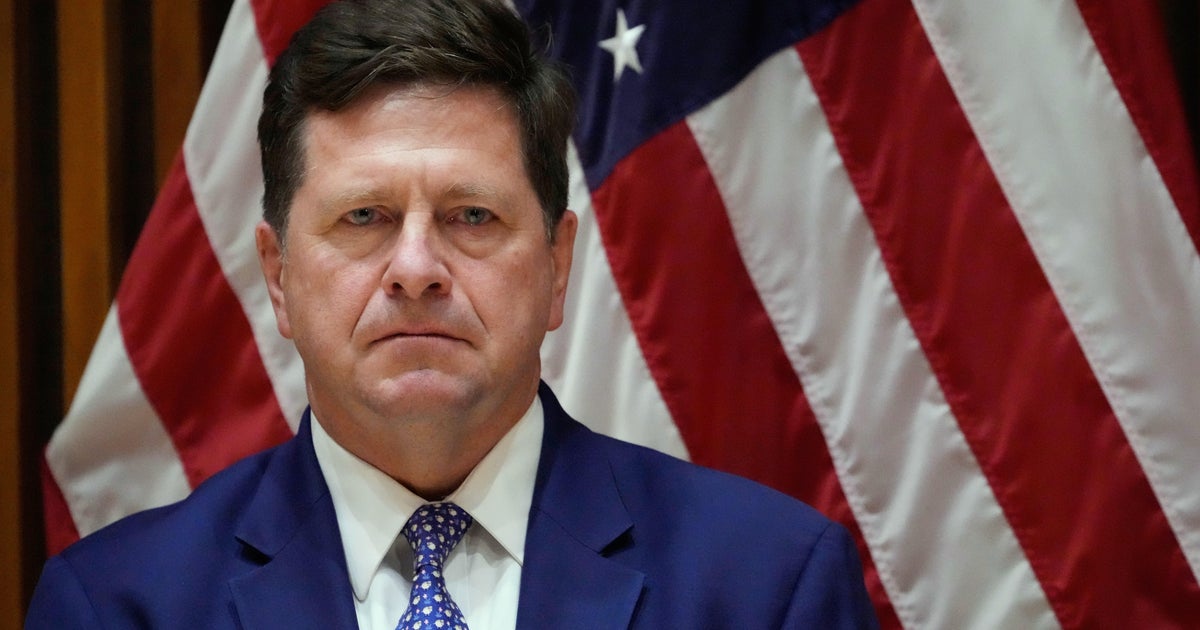
BalancedPresident Donald Trump said he will nominate Jay Clayton, the U.S. attorney for the Southern District of New York and a former Securities and Exchange Commission chairman, to serve as director of national intelligence. Trump praised Clayton on Truth Social as “very highly respected” and urged the Senate to confirm him quickly, making the choice after his plan to install housing official Bill Pulte as acting DNI triggered bipartisan pushback. If confirmed, Clayton would replace Tulsi Gabbard and take over the nation’s intelligence apparatus despite a résumé centered largely on law, Wall Street regulation and federal prosecution rather than intelligence work. The nomination sets up a Senate confirmation fight as the administration tries to stabilize leadership at the top of the intelligence community.


Coverage Angles
Congressional Pressure
Center-RightClayton’s nomination landed amid a Capitol Hill stalemate over extending a key surveillance authority, with House Democrats objecting to Bill Pulte’s interim role and helping block action on the spy tool. Senate Majority Leader John Thune said Republicans would try to move Clayton’s confirmation “as quickly as possible,” while lawmakers offered mostly positive initial reactions but faulted Trump for waiting until the dispute threatened national security legislation.


Pulte Backlash
75% LeftTrump’s shift to Clayton followed sharp criticism of his decision to put Federal Housing Finance Agency Director Bill Pulte temporarily in charge of U.S. intelligence, a move that alarmed Democrats and some Republicans because of Pulte’s lack of intelligence experience. Trump said Pulte would still run the office for a “short while” until a permanent nominee is confirmed, leaving lawmakers uneasy about the transition.


Clayton Scrutiny
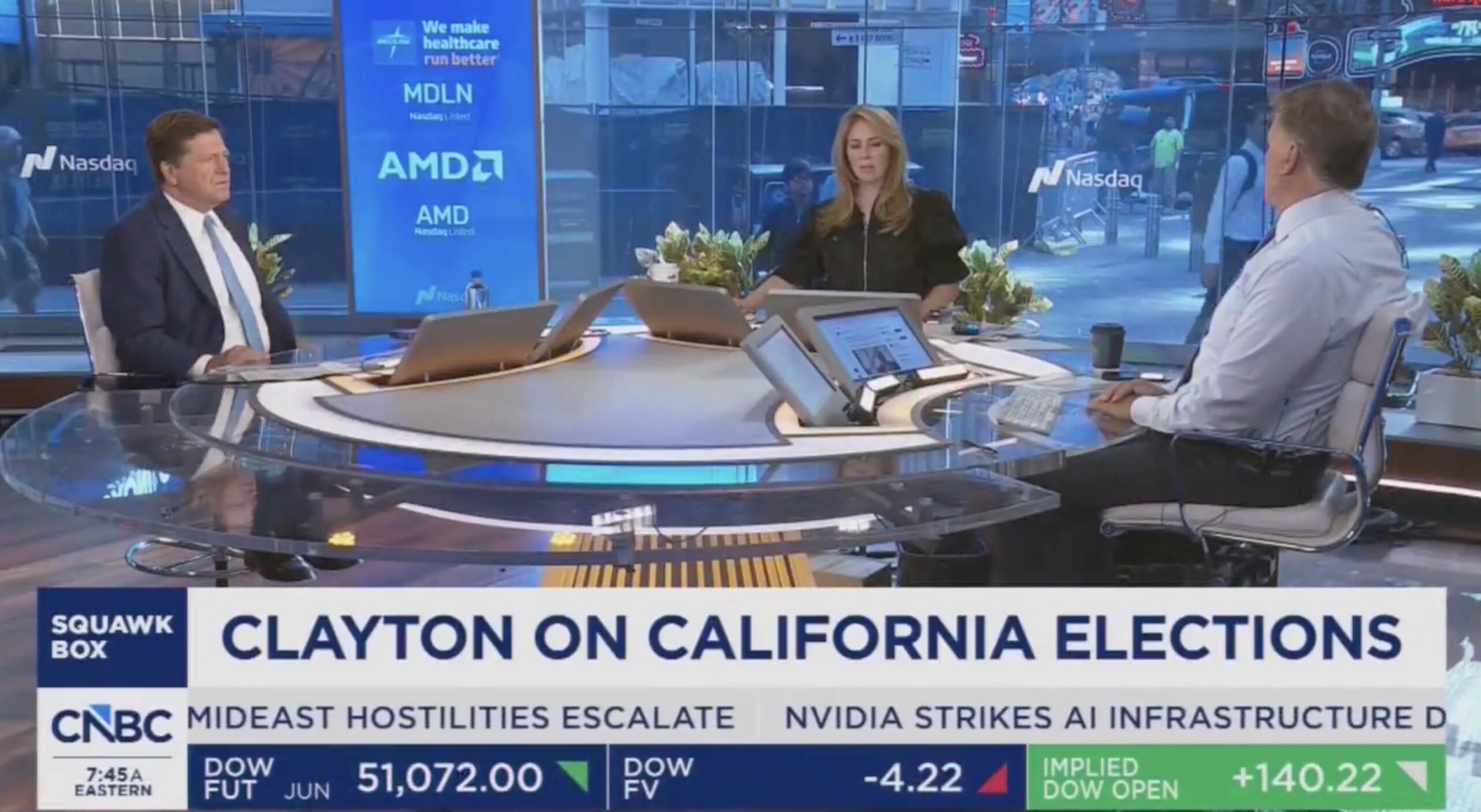
Left-CenterSome coverage scrutinized Clayton’s political comments and qualifications, including recent CNBC appearances in which he echoed Trump-aligned claims about election-related disputes and praised the president’s First Amendment stance. Questions also centered on his limited known intelligence background, even as supporters pointed to his long legal career, SEC tenure and current role leading the Justice Department’s Manhattan office.