Australian Moths Navigate Long Distances Using Stars
A new study reveals that Bogong moths are the first invertebrates known to navigate long distances using the stars during their migration.


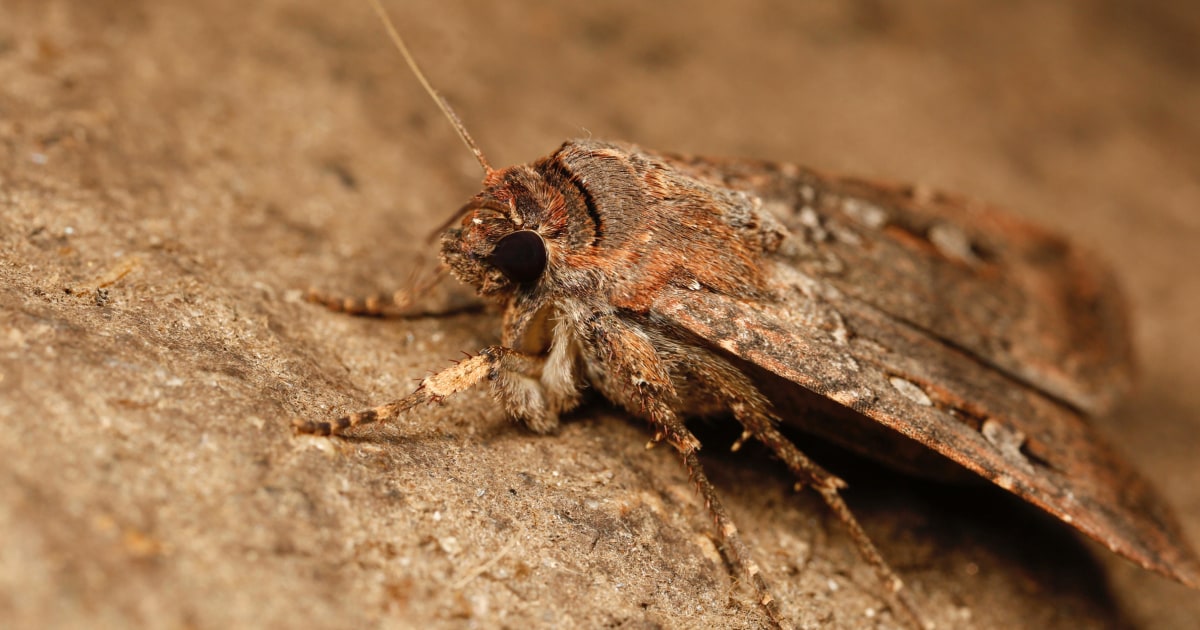

Overview
Bogong moths migrate up to 1,000 kilometers to find cooler temperatures in caves by the Australian Alps.
This behavior marks the first known instance of invertebrates using stellar navigation, previously observed only in birds.
The study highlights the moths' ability to travel hundreds of miles using the stars as a compass during their yearly migration.
Scientists have long studied moth navigation, and this research adds new insights into their migratory patterns and techniques.
Published in the journal Nature, the study raises questions about which specific night sky features the moths utilize for navigation.
Analysis
Center-leaning sources present the Australian moth's navigation as a remarkable scientific discovery, emphasizing its uniqueness among invertebrates. The framing highlights curiosity and ongoing research, reflecting a sense of wonder about nature's complexities. Implicitly, there's a bias towards celebrating scientific achievement while acknowledging gaps in understanding the moth's navigation methods.