New Analysis Confirms White Sands Footprints Are Over 20,000 Years Old
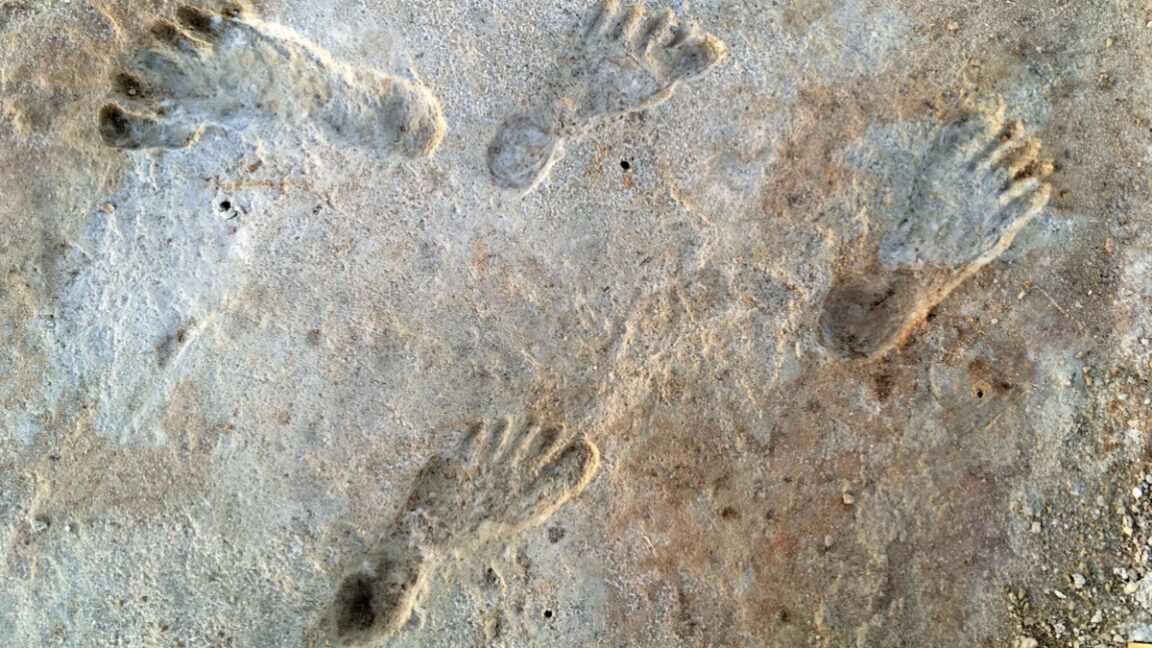
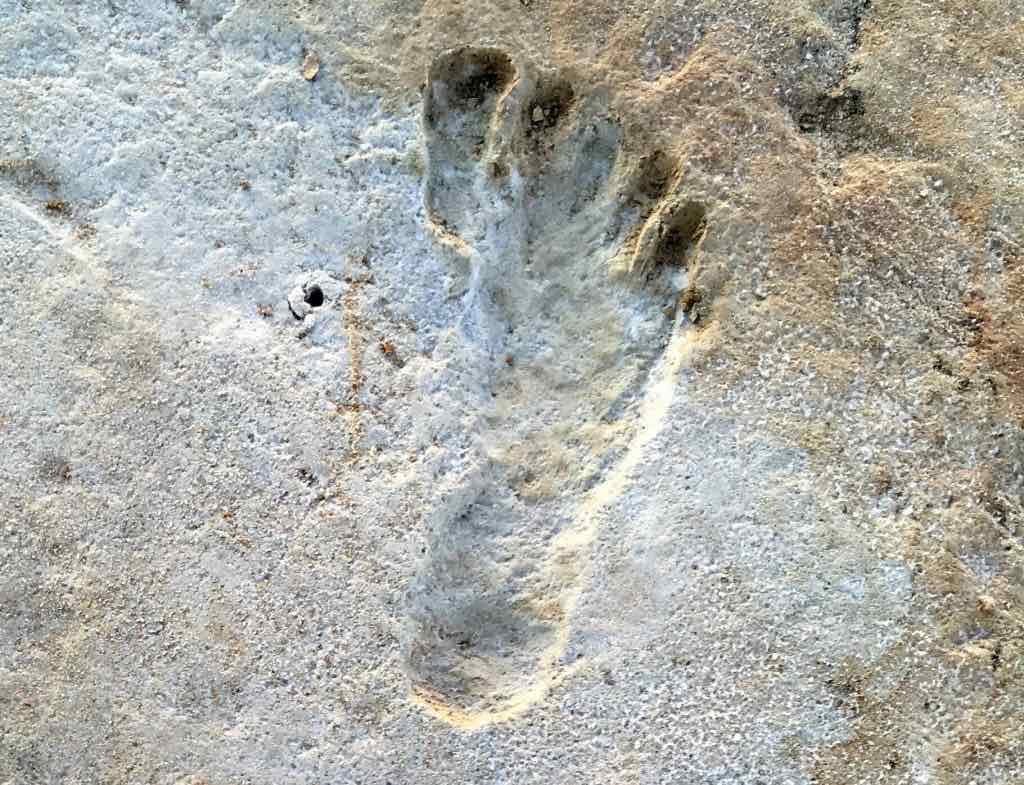
Independent research published in Science Advances supports that the White Sands footprints date back over 20,000 years, reinforcing theories of early human presence in North America.
 ARS Technica
New dating for White Sands footprints confirms controversial theory
 The Debrief
Study Confirms Controversial 23,000-Year-Old Human Footprints, Challenging Past Views on Peopling of the Americas

 IFL Science
Oldest Footprints In North America Really Are Over 20,000 Years Old, New Analysis Confirms
Overview
Recent independent analysis confirms White Sands footprints are over 20,000 years old, as reported in Science Advances.
This new finding aligns with previous radiocarbon dating results, which indicated an age of 23,000 years.
A total of 55 radiocarbon results consistently affirm the age of the footprints, strengthening the argument for early human activity.
Critics argue that the analysis of aquatic plants may have skewed the dating, suggesting the water inside them predates the sediment layer.
The ongoing debate over the footprints highlights discussions about human migration patterns and timelines in North America.
Analysis
Center-leaning sources present the findings as a validation of previous research, emphasizing scientific consensus and credibility. The framing suggests a cautious optimism, highlighting the importance of independent analysis while subtly reinforcing established theories. This perspective reflects a commitment to rigorous scientific inquiry, balancing skepticism with support for new evidence.