Vera C. Rubin Observatory Unveils Stunning First Images of the Universe
The Vera C. Rubin Observatory, equipped with the world's largest digital camera, reveals stunning images of galaxies and cosmic collisions as it begins a decade-long survey.
 NBC News
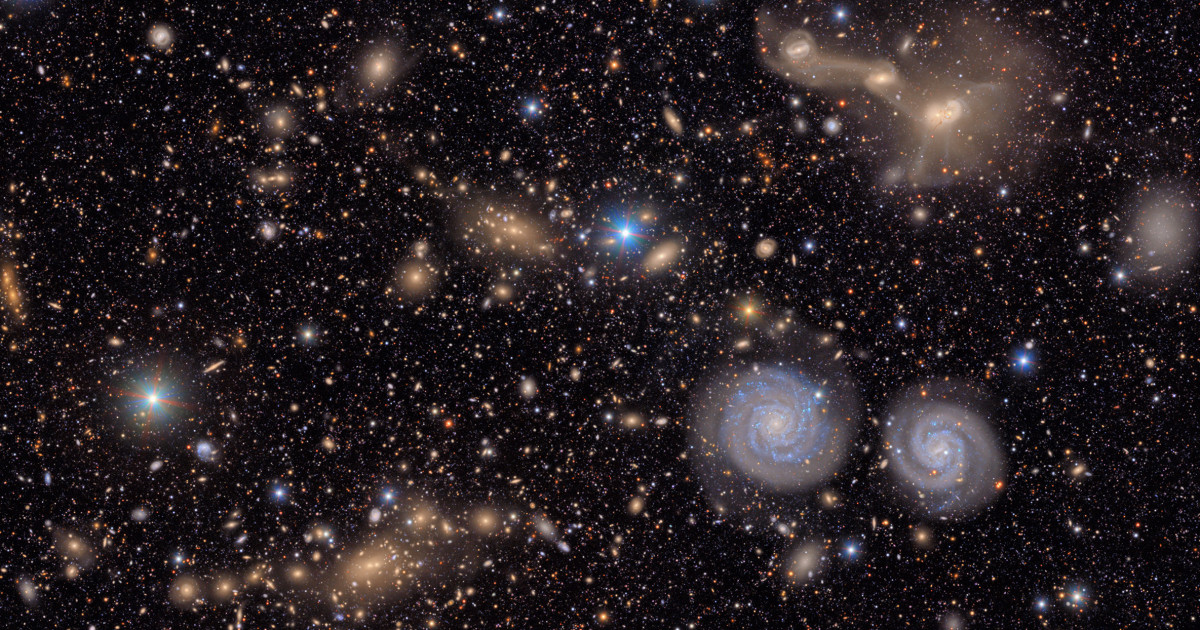
First images from world's largest digital camera reveal galaxies and cosmic collisions

 USA TODAY
Get a first look of 1st cosmic images from Vera C. Rubin Observatory: Watch live
 Associated Press
The largest digital camera ever built has released its first shots of the universe
 CBS News
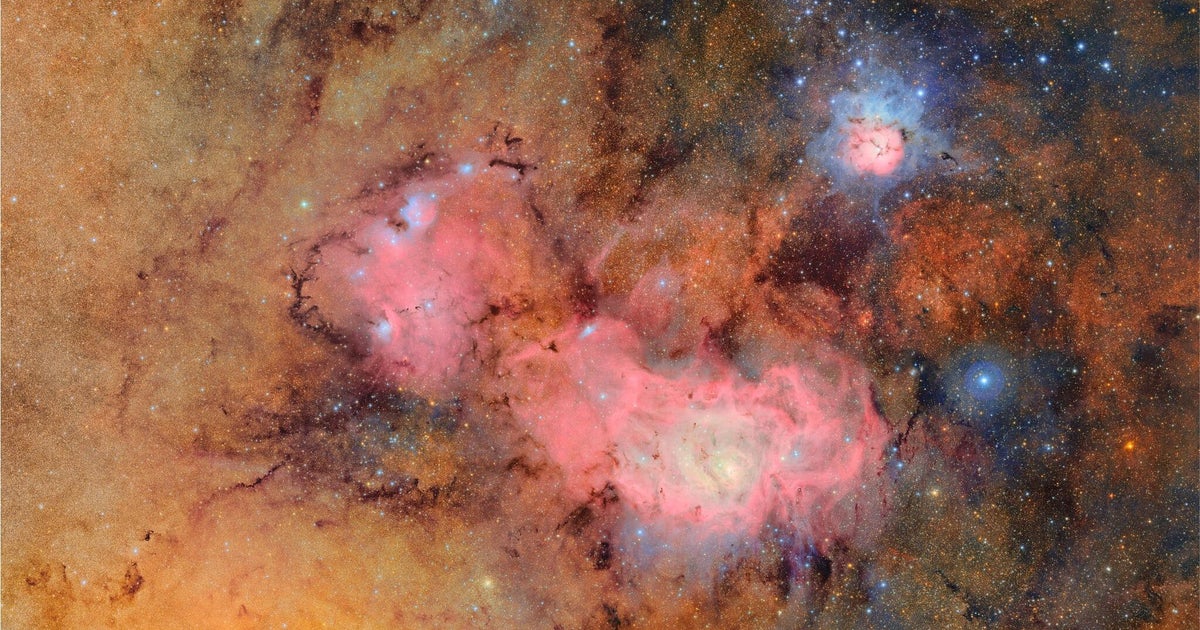
World's largest telescope unveils first images of distant galaxies in stunning detail: "Cosmic treasure chest"
Overview
The Vera C. Rubin Observatory, located in central Chile, will survey the southern sky every three to four days for the next decade.
Jointly funded by the U.S. Department of Energy and the National Science Foundation, the observatory aims to map billions of celestial objects.
Initial images showcase galaxies and cosmic collisions, highlighting the observatory's capabilities and extensive field of view.
In just over 10 hours, the observatory discovered 2,104 new asteroids, including seven near-Earth asteroids, emphasizing its potential for asteroid detection.
The observatory is expected to generate 560,000 terabytes of data, detecting millions of changes in the night sky over its operational period.
Analysis
Center-leaning sources frame the Vera C. Rubin Observatory as a groundbreaking scientific achievement, emphasizing its collaborative funding and innovative technology. They express excitement about its potential to unveil cosmic mysteries, reflecting a positive bias towards scientific advancement and exploration, while acknowledging the contributions of pioneering figures in astronomy.